Soil-free cultivation technology for sprouts and microgreens, which can also be grown as ornamental potted plants
Recently, a group of volunteers from Nanjing Agricultural University visited Zhonglou Community in Shuangta Subdistrict, bringing residents the soil-free cultivation technology for sprouts and microgreens——a new favorite on today's dining tables——sparking a “green whirlwind” of organic living in the community.
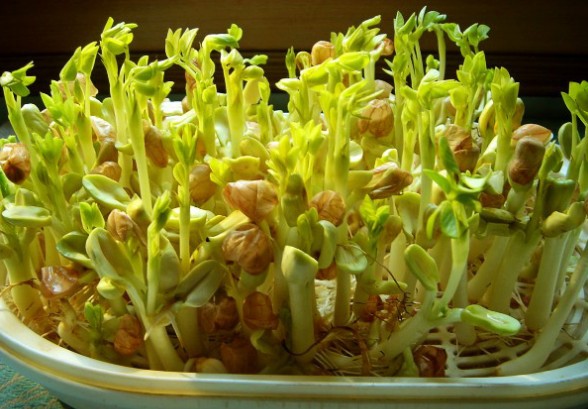
One tray, a handful of seeds, a spray of water, and about a week on the balcony, and you can harvest fresh organic vegetables……“Select a handful of plump vegetable seeds, soak them in water for about 20 hours, then take them out and evenly scatter them into a plastic tray lined with gauze, cover with another layer of gauze, and spray them with water every day. In about two days, the seeds will sprout, and in about a week you can harvest them.” At the event, trays of “adorably cute” sprouts and microgreens drew plenty of attention from residents. The volunteers also taught the cultivation techniques for sprouts and microgreens to residents on site, hand by hand.
After a lively explanation, residents were eager to try, all wanting to grow a tray of sprouts and microgreens of their own. Resident Qian Rongrong was already a flower-growing enthusiast, and this event delighted her: “For those of us living in the city, eating vegetables we grew ourselves seems like an impossible dream. After joining this event, I learned how to grow sprouts and microgreens without soil. From now on, not only can I eat safe vegetables I planted with my own hands, but I can also watch the seeds slowly sprout and grow, enjoying the pleasure of being close to greenery.”
Organic sprouts and microgreens, also called sprout vegetables or living vegetables, refer to the tender sprouts, seedlings or young stems grown from seeds or nutrient-rich rhizomes and eaten as vegetables; they belong to the category of freshly grown healthy vegetables. Currently, common varieties of sprouts and microgreens include black bean sprouts, soybean sprouts, water spinach, radish sprouts, wheatgrass and so on. Because they overcome the drawbacks of traditional vegetable cultivation's reliance on chemical fertilizers and pesticides, hydroponically grown sprouts and microgreens are increasingly popular among the general public today.