Yellow chive bonsai blends art with gastronomy
As the saying goes, no Chinese New Year is complete without yellow chives. Yellow chives are often used as a filling, paired with diced meat or eggs, to make stuffed pancakes, dumplings, steamed buns and more. Yellow chive dumplings, when eaten, greet the nose with fragrance and leave an endless aftertaste. They can also be used as a seasoning spice, and can be stir-fried, boiled or served cold; glossy with oil and tender and fresh, they are fragrant and tasty, leaving a lingering savor on the lips and teeth. What you taste is not just yellow chives, but a quality of life.
Yellow chives combine nutritional and medicinal value in one, rich in nutrients the human body needs such as protein, fat, carbohydrates, crude fiber, calcium, phosphorus, carotene, thiamine, riboflavin and ascorbic acid. In addition, regular consumption of yellow chives can strengthen the body and prolong life. Traditional Chinese medicine holds that yellow chives have the effects of fortifying the stomach, refreshing the mind, stopping sweating and astringing, tonifying the kidney and supporting yang, promoting appetite and treating tendon and bone injuries. Modern medicine has proven that the abundant cellulose in yellow chives can enhance intestinal peristalsis, cleanse the intestines, keep bowel movements smooth and prevent the occurrence of intestinal cancer. The volatile components and sulfur compounds in yellow chives help dilate blood vessels and lower blood lipids.
"Suddenly I feel the biting cold of the east wind; with mugwort and yellow chives I try the spring platter." Yellow chives quietly stepped out from the poem of the Song dynasty poet Su Shi, and through the long years came to our dining table. Yellow chives were originally named Fengben, commonly known as Huanglian chives. Famous for their thick leaves, fresh and tender color and delicate fragrance, they are hailed as a "treasure among vegetables" and were once a palace tribute in the Ming and Qing dynasties. The cultivation of Nangong yellow chives can be traced back to the Han dynasty, with a history of more than two thousand years to date. Through this development, Nangong yellow chives have become somewhat renowned across the country for their unique qualities, making them an excellent gift for relatives and friends during festivals.
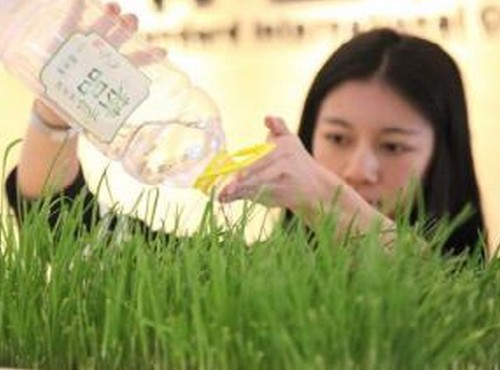
Growing yellow chives as a bonsai allows you to both admire them and eat them; it is truly a fusion of art and gastronomy! Watching the chive leaves you cultivated yourself turn from green to yellow, the leaf stems from goose yellow to ivory white, and the roots to almost pure white. Pulling up a handful of yellow chives, they exude an ethereal, elegant air that truly makes one unable to resist cherishing them. Yellow chive bonsai are green and eco-friendly, grow quickly, are easy to manage, and are unaffected by region or season. You can enjoy the pleasure of working with your own hands while harvesting safe, reassuring vegetable products, satisfying the pastoral longings of city dwellers who have long lived in a world of steel and concrete!
Shennong's Materia Medica says: "The beauty of chives lies in their yellow, and the rich and noble all treasure them." The chive roots store a year's worth of nutrients, absorb the spiritual energy of heaven and earth, and embody the essence of all things, so when cultivating them you only need to ensure an adequate supply of water. Water thoroughly the first time, then water about once every 5-7 days. The principle of watering is to ensure alternating dry and wet conditions. The harvest time is generally once every 10-15 days, or you can harvest at any time according to growth or your own needs. After harvesting, water again 2-3 days later. Generally, one pot of yellow chives can be harvested continuously for 3-4 rounds. Let you sow hope while watering, and experience the wonders of nature while harvesting.