Detailed Guide to Potted and Cut-Flower Cultivation Techniques for Calla Lilies
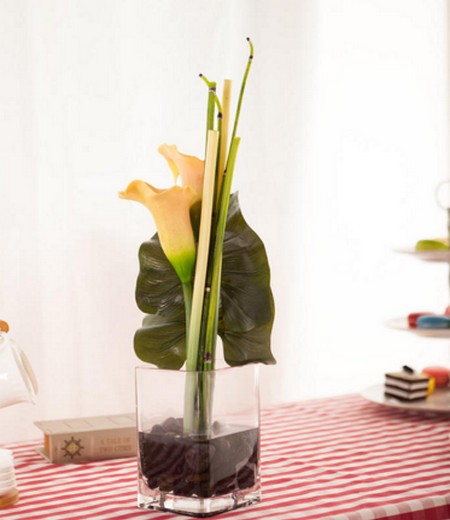
Although colored calla lilies are often used as cut flowers because of their brilliant blooms and beautiful form, potted colored calla lilies also attract a large number of enthusiasts. Colored calla lilies come in white, yellow, pink, orange, green and purple, offering a rich range of colors, and their sales on the flower market have always been strong. In recent years, the colored calla lily market has attracted quite a few new growers to trial-plant it, but because production techniques are not yet mature, few of these trial growers have been able to reach volume production, and technical difficulties are blocking the realization of regional production. Below is a focused introduction to potted and cut-flower cultivation techniques for calla lilies:
1. Selection and Treatment of Tubers
(1) Tuber selection: For tubers used to produce cut flowers, choose healthy, disease-free tubers with bright color and plump buds. The corm size should preferably be about 3-5 cm in diameter; tubers that are too small bloom little or not at all.
(2) Variety selection: Choose varieties with strong disease resistance, brilliant flower color, flower color that is not sensitive to light, high cut-flower yield, and a relatively large share of the market.
(3) Pre-planting treatment of tubers: Treating colored calla lily tubers with gibberellin can promote flowering and increase cut-flower yield. Generally, before planting, soak the tubers in a gibberellin solution at a concentration of 25-50 mg/kg for 10-15 minutes; too long a time or too high a concentration easily causes deformed flowers.
2. Selection of the Growing Environment
Colored calla lilies prefer a warm, humid, shaded environment and are not cold-tolerant. The suitable temperature during the growing period is 15-24°C during the day, with night temperatures not below 12°C; high temperatures above 30°C easily lead to outbreaks of soft rot. The growing environment should be kept well ventilated and moderately shaded. The growing site should preferably be sandy soil on relatively high ground with good drainage, rich in organic matter and with a pH of around 7, and should be supplied with nitrogen, phosphorus, potassium and large amounts of decomposed organic fertilizer.
3. Planting the Tubers
(1) The planting time should be determined according to the needs for cut flowers and tubers. However, colored calla lilies planted in spring give the highest cut-flower quality and yield; for forcing and delayed cultivation, attention must be paid to the flowering treatment of the tubers and effective control of the growing environment for success. Before planting, sprout the tubers first, and plant once the new shoots begin to swell.
(2) Planting depth: Generally, tubers of 3-4 cm are planted at a depth of 10 cm, while for tubers over 5 cm, a depth of 15 cm is preferable. After planting, water thoroughly and cover the ground with wheat straw to increase humidity and lower soil temperature, promoting tuber sprouting and rooting.
4. Water and Fertilizer Management
Water management during the growing period of colored calla lilies is extremely important; generally, the early growth stage should be kept moist. After flowering, water should be controlled appropriately, and during the tuber-fattening period after flowering, a dry environment is preferable to fill out the tubers and force dormancy. When sufficient base fertilizer has been applied, only appropriate topdressing is needed. Usually, before flowering, spray 1000-fold calcium nitrate on the leaves twice, at an interval of 7 days, to promote flowering; after flowering, apply a compound fertilizer to promote the tubers' filling out and ripening.
5. Harvesting and Post-Harvest Handling of Cut Flowers
Colored calla lilies take about 60-70 days from planting to flowering. Flowers should be harvested in the early morning or evening when temperatures are lower, by pulling them up; for varieties with longer flower stems, the cutting method may also be used. After harvesting, spray with 1000-fold agricultural streptomycin for sterilization and disinfection. When cutting flowers, be sure to disinfect the cutting tools to avoid transmitting viruses between different plants.
6. Harvesting and Storage of Tubers
Colored calla lilies are perennial bulbous flowers; after the cut flowers are harvested, the tubers can still be used the following year. The best time to harvest the tubers is after the above-ground leaves have yellowed and withered. First dig the tubers out of the soil, clean off the soil thoroughly, and do not forcibly strip off the roots; let them fall off naturally, and place the tubers in a ventilated spot. If conditions permit, disinfect the air-dried tubers and store them in a cold room at a suitable temperature of 8-10°C; after 3 months of storage they can be planted. During storage, fumigate the cold room with sulfur once a week to reduce the occurrence of disease.