Full guide to coral bean bonsai cultivation techniques
The bright red berries of the coral bean are extremely beautiful and alluring in autumn, set off by the green leaves. It is a first-class ornamental fruit plant, a small shrub of the Solanum genus in the Solanaceae family; its plant height can reach 1 m, but it is often grown as an annual or biennial. The fruit color is vivid and ornamental.
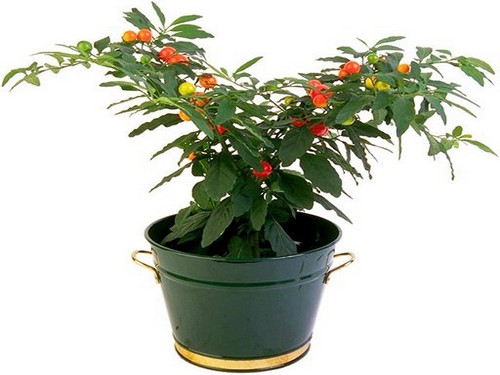
It is mostly propagated by seed. Collect ripe berries in winter and spring, wash them clean in water, scoop them out and dry them for storage as seeds. In spring, sow the stored seeds in a shallow indoor basin. Sowing germinates quickly, evenly, and grows fast. After the seedlings grow 3 to 4 leaves, repot them into 10 cm pots, or transplant them to an open-ground seedbed.
Generally, sow in pots in spring between March and April; seedlings emerge quickly and evenly. When the seedlings grow 2 to 3 true leaves, they should be divided and replanted once in a shallow basin; when they grow to 5 to 6 true leaves, pot them up separately, or transplant them to a bed for field planting.
After potting, water thoroughly, place in semi-shade, and after a week of recovery move them to a sunny spot. For field-planted ones, pay attention to shading for a period after planting. When the seedlings grow to about 30 cm, they can be repotted and established in larger pots.
For seedlings grown in the ground, care can be more extensive; by August to September, pot them up with soil. After winter begins, promptly move them indoors to a sunny spot, and keep the room temperature at 5°C or slightly higher.
After summer begins, temperatures are high, so spray water frequently to increase humidity and lower temperature, and also protect them from being battered and drenched by violent winds and sudden rain. Normally apply cake fertilizer water or manure once a week, and apply phosphorus fertilizer several more times before and after flowering. Doing so can reduce flower drop and help fruit set.
During flowering, do not water too much; let the soil be slightly dry, alternating dry and moist, which also helps prevent flower drop. After fruit set, keep moisture moderate; both too dry and too wet will cause fruit drop.
For old plants, before spring growth begins, promptly prune heavily: leave 3 to 4 buds on thick side branches and only 1 to 2 buds on weak branches. At the same time, repot them, apply sufficient base fertilizer while repotting, and prune away some weakened old roots. Later, some of the excessive new shoots that sprout should also be thinned appropriately.
In the high-temperature summer season, if exposed to rain or if the potting soil is too wet, anthracnose is likely to occur. After summer begins, spray fungicides regularly, such as alternating zineb and thiophanate.