Detailed Guide to Growing Evening Primrose: Even Beginners Can Grow It Easily
Evening primrose is highly adaptable, tolerates acid and drought, and is not demanding about soil. It can grow in generally neutral, slightly alkaline or slightly acidic soil, as long as the soil is well drained and loose. In soil that is too wet, its roots are prone to disease. In North America it is an annual plant. It is the most important nutritional medicine discovered this century. It can treat many diseases, regulate lipid substances in the blood, and has a significant therapeutic effect on coronary artery infarction, atherosclerosis and cerebral thrombosis caused by high cholesterol and high blood lipids. So, how is evening primrose grown? Below is an introduction to the cultivation methods for evening primrose:
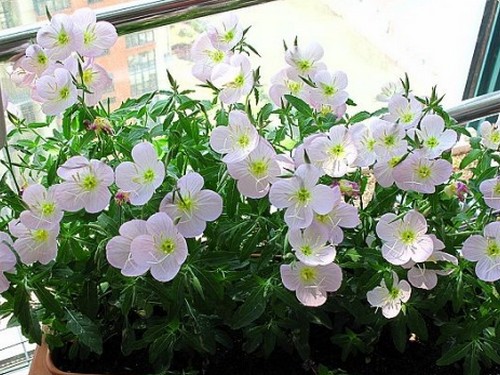
[Site Selection and Soil Preparation]
Choose loose, well-drained land, plow deeply, and sun-dry for 15 to 20 days, then break up the soil and rake it level, making beds 1.5 m wide. Before deep plowing, apply farmyard manure, stable manure, cake fertilizer, etc. as base fertilizer, then sow seeds or transplant seedlings for planting.
[Propagation by Sowing]
Propagate with seeds. In the north, sow in spring; in areas south of the Huaihe River, sow seeds in autumn or spring to raise seedlings. When sowing, the soil should be raked fine and level, scatter the seeds on the bed surface, rake lightly with a rake, and cover with a thin layer of soil. The seeds are small, so the soil must not be too thick, otherwise it will affect seed germination and growth. After sowing, the soil must be kept moist. About 10 to 15 days after sowing, the seeds will sprout into seedlings. When most of the seedlings have grown 3 or more leaves, they can be transplanted into pots.
[Transplanting into Pots]
When potting small seedlings, first place a 2 to 3 cm thick layer of coarse-grained substrate or ceramsite at the bottom of the pot as a drainage layer, sprinkle a layer of fully decomposed organic fertilizer on top as base fertilizer, about 1 to 2 cm thick, then cover with another layer of substrate about 1 to 2 cm thick, and then place the plant in, so as to separate the fertilizer from the root system and avoid burning the roots. For the potting substrate, you can choose one of the following.
[Fertilizer and Water Management]
After potting, water thoroughly once, and keep it in a slightly shaded environment for a week of care. When transplanting small seedlings, first dig the planting holes, sprinkle a layer of organic fertilizer at the bottom of the planting holes as bottom fertilizer (base fertilizer), about 4 to 6 cm thick, then cover with a layer of soil and place the seedlings in, so as to separate the fertilizer from the root system and avoid burning the roots. After placing the seedlings in, backfill the soil to cover the root system, firm the soil with your feet, and water thoroughly once. When the plant reaches 30 cm tall, mound soil around the plant to prevent lodging due to height. After transplanting or thinning to a final stand, apply a topdressing of manure or urea once to promote seedling growth, and apply a second topdressing at the early bud stage to encourage flowering and seed setting.
[Harvesting and Processing]
Evening primrose has an indeterminate inflorescence, and the fruits mature successively. Generally, it can be harvested when half of the inflorescence has matured. When harvesting, use pruning shears or a knife to cut (sever) the inflorescence, or pull up the whole plant, sun-dry it, press it with a roller or beat it with a stick and pick, remove all the fruit shells and impurities, and store it in a dry, cool place.