A Detailed Guide to Planting Methods and Care Tips for Flowering Almond (Prunus triloba)
One of the main flowering shrubs of the north, with lush foliage and abundant flowers, double petals and brilliant color. Planted in courtyards in front of buildings and along roadsides, it can also be grown as a potted plant and used as cut flowers. In cultivation and management, attention must be paid to pruning and fertilizing after flowering to ensure enough flowering branches for the coming year.
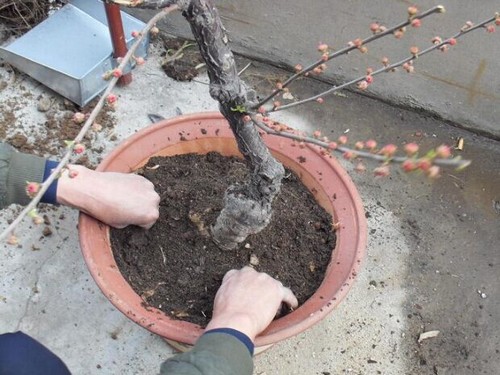
1. Site selection: Flowering almond is robust by nature, loves sunlight, tolerates drought and cold. Flowering almond should be planted in a spot with sufficient light.
2. Cultivation: Propagated by sowing and grafting. Sowing in spring and autumn gives a high germination rate. For grafting propagation, use mountain peach or wild peach as rootstock, and perform cleft grafting or bud grafting in spring or autumn. When the young tree reaches a certain height, keep 2~3 main branches and arrange them in a staggered, alternating distribution. Cut off overly dense new branches, crowded branches and useless branches. Shorten and thin out the strong competing branches within the crown. During the growing season, promptly remove suckers and pinch out the growing tips. Remove the fruit promptly after flowering, or you may leave the fruit for ornamental viewing.
3. Fertilizer and water management: Flowering almond prefers a moist environment, but is also fairly drought-tolerant. Water it with growth-promoting water at the right times, a true case of timely help. This can make the flowering almond grow vigorously and full of vitality. Secondly, flowering almond is a fertilizer-loving crop. Apply organic fertilizer regularly as a top dressing. Once it enters normal management, you can, each year after the spring flowers fall and during the summer flower bud differentiation period, spray Chuhuawang No. 2, causing the tree's growth function to transform toward reproductive function and strengthening the flower-forming genes.
4. Pruning and shaping: Mainly cut off the plant's overly dense branches, crossing branches, overlapping branches, downward-hanging branches, inner-canopy branches, dead branches and diseased or pest-infested branches; you can also shorten some overly long flowering branches. Some overly dense auxiliary nurturing branches and previous-year branches not being trained as reserve flowering wood should be thinned out. A flowering almond pruned reasonably in this way not only produces larger flowers but also has a longer flowering period. Note that after the flowers fade, the spent flowers should be cut off promptly to prevent them from setting fruit and consuming nutrients. This point is often neglected due to limited manpower, but cutting off spent flowers is actually very necessary and meaningful. Apply a callus anti-corrosion film to the pruning cuts to promote wound healing.
5. Pest and disease control: The common main diseases of flowering almond include black spot and crown gall. Common pests include aphids, red spider mites, slug moths, scale insects, etc. Control method: spray a variety of targeted pesticides + Xinguozhimu (new high-lipid film) to enhance efficacy.