Coreopsis Planting Methods and Care Tips
Coreopsis is a common perennial flower. It is easy to grow, but growing it well is not an easy task. You need to have an in-depth understanding of its growth habits. Only then will the coreopsis you grow have abundant flowers and lush leaves. Friends who like coreopsis can try growing it themselves.
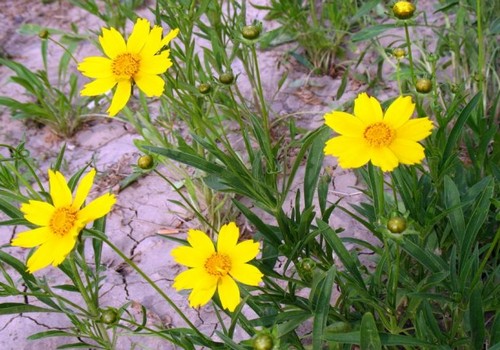
The yellow flowers of coreopsis attract attention and are very suitable for planting in flower beds, along roadsides and other landscaping sites. Coreopsis is a flowering plant that is enjoyed both for its leaves and its flowers. So how do you grow coreopsis? Below, the editor introduces the planting methods for coreopsis.
Coreopsis is not strict about soil and prefers fertile, moist, well-drained sandy loam. Coreopsis is drought-tolerant, cold-tolerant and heat-tolerant, with an optimum growth temperature of 15-20°C. Coreopsis is easy to cultivate and often self-propagates. It is usually propagated by sowing or division, and can also be propagated by cuttings in summer.
The coreopsis plant is 30~70cm tall, with smooth stems. The basal leaves are 2~3 times pinnately parted. The flower heads are capitula, 2~4cm in diameter, with a single row of ligulate florets; the petals are yellow, reddish-brown below the middle or at the base, and the tubular florets are purplish-brown, making the colors very striking. The achenes easily fall off after ripening.
Coreopsis propagation by sowing is generally carried out in August, or directly sown in the open field at the end of April in spring, blooming in July-August, with the flowering period continuing to mid-October. Biennial coreopsis will bloom at the end of May and early June in early spring, with the flowering period continuing to mid-October. To make coreopsis bloom more, you can remove the spent flowers after flowering and apply fertilizer once in July-August; by National Day on October 1, it will have abundant flowers and lush leaves.
The points to note during the coreopsis planting process are as follows:
Soil: It is best to plant coreopsis in loose, well-aerated soil rich in humus. Before planting coreopsis, loosen the soil. Loosening the soil after rain helps the coreopsis roots breathe. During the rainy season, weed once a week.
Light: Coreopsis likes direct sunlight, and in overly shady environments it tends to grow leggy. It is a short-day plant; short-day conditions can ensure that coreopsis blooms vividly.
Watering: Coreopsis is easy to cultivate. After planting, water thoroughly once, then control watering to prevent the plant from growing leggy. Light: Coreopsis likes direct sunlight, and in overly shady environments it tends to grow leggy. It is a short-day plant; short-day conditions can ensure that coreopsis blooms vividly.
Fertilizing: Before planting coreopsis, use leaf mold as a base fertilizer in the soil (1Kg/m2). When coreopsis transitions from the growing period to the flowering period, stop fertilizing, and apply additional fertilizer after 4 flower buds have formed.
Pruning: When coreopsis grows to 6cm tall, pinch once. When the branches reach 10cm, pinch a second time, and promptly remove willow buds.
Pests and diseases: Common diseases of coreopsis include powdery mildew and black spot, caused by continuous rain and miscellaneous bacteria in the soil. You can alternate chlorothalonil and thiophanate, using each once every 10 days. Common pests of coreopsis include aphids, cutworms and grubs. You can alternate omethoate and fenvalerate, using each once every 10 days.