How to Grow White Crown Daisy (Erigeron karvinskianus) in Pots? Detailed Planting Methods
White crown daisy prefers a sunny and cool environment; insufficient light leads to poor flowering. It is cold-hardy but not tolerant of high temperatures. The optimal growing temperature is 15°C to 25°C. When cultivated in open flower beds, it can safely overwinter above -5°C. Below -5°C with prolonged low temperatures, the leaves may freeze, dry up and turn yellow; when temperatures rise, it can still sprout leaves, produce buds and bloom. White crown daisy dislikes high temperatures and excessive moisture. In summer, as temperatures rise, the flowers fade more quickly, and growth is poor above 30°C. Placing it in a cool, well-ventilated environment can extend the flowering period.
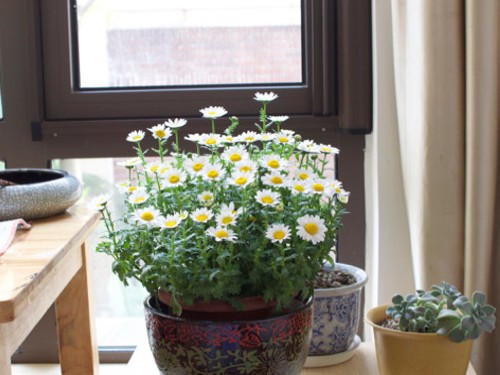
White crown daisy is highly adaptable and not particular about soil, but it grows best in loose, fertile, moist loam or sandy loam. Keep the growing medium moist at all times, but avoid prolonged waterlogging, which causes root rot and affects growth and development. In warm regions, sow in autumn; in North China, spring sowing is the main method. The optimal germination temperature is 15-20°C. Germination occurs in 5-8 days. Flowers appear 11-12 weeks after sowing.
The best growing medium is fertile, organic-rich loam or sandy loam, with good drainage and sunlight. Insufficient sunlight leads to poor flowering. Keep the growing medium moist at all times; drought leads to poor growth. After flowers fade, promptly remove spent blooms to encourage new shoots and reblooming. It prefers warmth and dislikes high temperatures and excessive moisture. The optimal growing temperature is 15-25°C. During the rainy season, avoid prolonged moisture that causes rot, which can extend the flowering period.
White crown daisy is propagated by seed, usually sown in autumn from September to October. The optimal germination temperature is 15°C to 20°C. When sowing, mix the seeds with a small amount of fine sand or growing medium and broadcast them in a seedbed or seedling tray. Cover with soil just until the seeds are no longer visible. Keep moist; germination occurs in 5 to 8 days. After seedlings emerge, apply a light topdressing to promote sturdy growth. Once 4 to 5 true leaves have developed, transplant into a seedbed or nutrient pot for further cultivation.
For plants transplanted once or twice in autumn, they can be directly planted in flower beds in spring when flower buds appear. For those that were thinned out in autumn but not transplanted into beds, in spring it is best to grow them in a bed with sufficient base fertilizer until they take shape, then plant them in flower beds or sell them. When planting, apply leaf mold or manure as base fertilizer, with a plant spacing of 15 cm. After planting, water once every 7 to 10 days. Fertilizing does not need to be too frequent; apply diluted manure water once every 2-3 weeks, cultivate the soil once a month, and stop fertilizing after flowering in February.
During the growing period, white crown daisy prefers full sunlight and is not shade-tolerant. For autumn-sown plants that have been encouraged to grow strong but not transplanted, at the end of October lift the seedlings, separate them, keeping a little original soil around the roots, then take a handful of pre-prepared moist, fertile soil rich in humus and slightly clayey, place one or two seedlings in the center of the soil and squeeze firmly into a ball, then store them one by one in a cold frame. Mist to keep moist, to encourage vigorous fibrous root growth and sturdy small plants. In spring, they can be directly planted in flower beds or sold without easily wilting.
White crown daisy dislikes high temperatures and excessive moisture. In summer, as temperatures rise, the flowers fade more quickly, and growth is poor above 30°C. Placing it in a cool, well-ventilated environment can extend the flowering period. It is highly adaptable and not particular about soil, but grows best in loose, fertile, moist loam or sandy loam. Keep the growing medium moist at all times, but avoid prolonged waterlogging, which causes root rot and affects growth and development.
During the growing period, apply a nitrogen, phosphorus and potassium compound fertilizer once every half month, at a ratio of 2:1:2. White crown daisy produces many flowers and has a very long flowering period, so phosphorus and potassium fertilizers need to be supplemented promptly during flowering. After flowers fade, if seeds are not wanted, the spent blooms can be cut off at any time to encourage side branches to produce new buds, increasing the number of flowers and extending the flowering period.
Because white crown daisy has a long flowering period, apply topdressing once every 20-30 days during the growing or flowering period. Keep the growing medium moist at all times, and promptly remove spent blooms after flowers fade to encourage new shoots to bloom again.
Although white crown daisy is cold-hardy, in winter the seedlings are best placed in a plastic greenhouse or cold room to continue growing. Water and fertilize as needed, promptly remove flower buds to encourage a larger crown diameter, and move them outdoors or into flower beds in early spring the following year to enhance their ornamental effect.
Tips:
White crown daisy flowers poorly during the hot summer period and easily dies. If dug up and transplanted to a cooler location, it can bloom again in autumn.