How to plant zinnia seeds? A step-by-step guide to sowing
Zinnia is an annual flower with a very long blooming period, able to bloom for about 100 days. Zinnias can bloom from early summer all the way into autumn, providing people with long-lasting enjoyment, hence the name "hundred-day flower," and also the name "long-lasting flower." Seeing the beautiful posture of the zinnia, one cannot help but think of friends far away, and the flower language derives from this. Its flower language is "missing friends far away, enduring as the universe," symbolizing everlasting friendship. Moreover, the first flower of the zinnia blooms at the top, and then the tops of the side branches bloom higher than the first flower, each one taller than the last, which inspires people to strive upward, so it is also called "step by step higher."
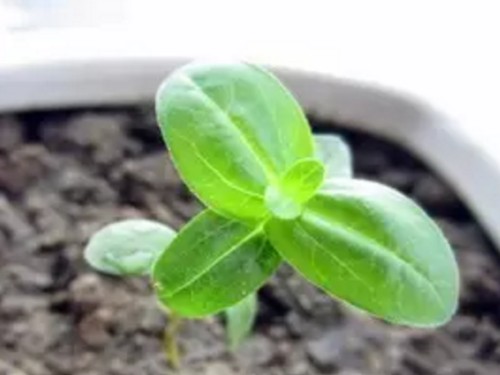
Some gardening enthusiasts want to grow zinnias but do not know how to plant them. This article starts from the perspective of a gardening enthusiast, beginning with the most basic zinnia sowing, so that enthusiasts can have a detailed impression of how to grow zinnias. This article is aimed at hobbyist enthusiasts, not large-scale zinnia cultivation.
1. Sowing zinnias
Many gardening enthusiasts buy zinnia seeds, so they need to start with sowing. Those who directly buy seedlings can skip this step. The suitable germination temperature for zinnia seeds is 20-25 degrees, generally sprouting in 7-10 days, and blooming about 70 days after sowing. Transplant when there are 2-3 true leaves, pinch when there are 4-5 leaves, and after 2-3 transplants they can be planted in their final position. The sowing time is generally around mid to late April, as long as the temperature meets the germination temperature. When sowing zinnias, be sure to cover with a layer of soil, or perlite, vermiculite, or similar, because zinnias are a light-avoiding flower variety.
The seeds of zinnias have a lifespan of 3 years, with a germination rate of about 60%. Try to choose plump seeds from the previous year to increase the germination rate. The sowing date can be determined according to the desired blooming time; from sowing to blooming takes about 75-90 days. Before sowing, the soil must undergo strict sterilization treatment to prevent pests and diseases during the growing period. Using Dewoduo organic nutrient soil is sufficient, as we have already sterilized it. If using other soil, a high-temperature fumigation method can be used (0.05% potassium permanganate or 1000 times formalin) to kill pathogens, pests, and weed seeds within it.
Before sowing, the seeds should be soaked in warm water at 20-40 degrees for about one day to fully activate the seeds. After the substrate is moistened, sow by dibbling. Zinnias are a light-avoiding flower seed, so after sowing, a layer of nutrient soil must be covered. At a temperature of 21-23°C, they can germinate in 3-5 days. No light is needed during the germination period. After germination, keep the seedbed at 50%-60% moisture content, not too wet, to avoid root rot or damping-off disease.
2. Transplanting zinnias
After the seedlings grow 2 leaves, divide and transplant them once. The root system of zinnias is not well developed, with few lateral roots. Generally, transplant and pot up when there are 2 true leaves. When transplanting, bring soil along with the roots. The transplanting substrate should be loose, fertile, and well-draining; Dewoduo organic nutrient soil can be used. Plant at a depth of 0.5 cm below the cotyledons. After planting, press the soil lightly and water thoroughly.
Multiple pinching. Zinnias need to be pinched multiple times. The first time is at 6 leaves, leaving 4 leaves and pinching the rest, for a total of 2-3 pinchings. Fertilizing and disease prevention. After the plant grows stably, keep the soil moist. After planting during the seedling stage, use Dewoduo liquid fertilizer once every 10-15 days, diluted at 1:300-600. In midsummer, apply light fertilizer, using fertilizer in place of water. From budding to blooming, spray 1:500 Dewoduo flowering booster once every 5-7 days.
3. Daily care of zinnias
To keep zinnias dwarf, they need to be pinched multiple times. The first time is at 6 leaves, leaving 4 leaves and pinching the rest, for a total of 2-3 pinchings. After each pinching, apply potassium dihydrogen phosphate, especially from budding to blooming, spraying 0.2% potassium dihydrogen phosphate once every 5-7 days. Fertilizing and disease prevention. After the plant grows stably, keep the soil moist. In summer, water once in the morning and once in the evening. During the seedling stage, apply 200 mg/L nitrogen fertilizer and organic liquid fertilizer once every 5-7 days. After 2-3 applications, switch to compound fertilizer. In midsummer, apply light fertilizer, using fertilizer in place of water.
4. Blooming period management of zinnias
After blooming, promptly cut off the spent flowers from the base of the flower stem (leaving 2 pairs of leaves). After pruning, apply additional fertilizer 2-3 times to ensure the water and nutrients needed for plant growth, in order to extend the overall blooming period. Zinnias are not tolerant of extreme heat; entering August, they will show sparse blooming and smaller flowers, requiring increased irrigation and control of red spider mites. In this way, by September they can bloom and set seed normally. After autumn frost, the plants gradually die.