How to grow potted Albuca spiralis? A few practical methods to teach you
Albuca spiralis is a very interesting plant. Its appearance is fascinating, with leaves spiraling just like a spring. Albuca spiralis is a succulent plant and also has the effect of absorbing radiation. Because its shape resembles a spring coiling round and round like wound wire, it is also called “spiral grass”. The flowers of Albuca spiralis are also very beautiful!
Albuca spiralis, also known as spiral grass, belongs to the Hyacinthaceae family and is a perennial bulbous succulent plant. It gets its name because its leaves twist and coil, resembling a spring. It is a small potted ornamental plant with a unique form and rustic bulbs. Albuca spiralis undergoes a “cycle of life and death” within a year. When growing Albuca spiralis, gardening friends can closely observe this law of nature from sprouting to leaf withering.
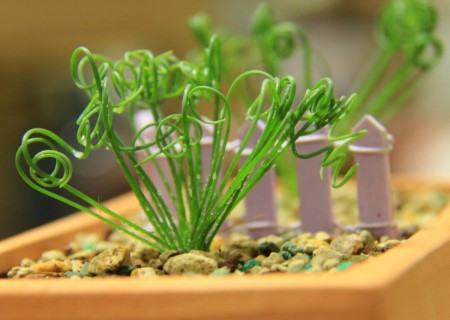
How do you grow potted Albuca spiralis? The following are the growing methods for Albuca spiralis:
1. Soil mix
The potting soil should be fertile, loose, rich in humus, and have good drainage and aeration. You can mix 3 parts leaf mold or peat soil with 2 parts vermiculite or sandy soil, and add a small amount of bone meal.
2. Propagation
For propagation of Albuca spiralis, division can be done in autumn along with repotting. The method is to twist off the small bulbs growing around the large bulb and plant them separately in growing medium; they root easily.
3. Watering
During the growing period, keep the soil moist but not waterlogged. If there is long-term drought and lack of water, the plant will not die, but growth will stall, leaves will turn yellow, and they may even wither; if the potting soil is waterlogged for a long time, it will cause the bulbs to rot. You can also frequently spray water on the plant to increase air humidity and prevent the leaf tips from drying out.
4. Fertilizing
From October each year to March of the following year is the plant's vigorous growth period. Apply decomposed dilute liquid fertilizer or compound fertilizer monthly to provide sufficient nutrients and make the plant grow vigorously.
5. Repotting
When repotting, cut off the rotten roots. When planting, leave about 1/3 of the bulb exposed above the soil surface. After planting, water thoroughly and place in a location with ample light for care. Afterward, keep the soil moist, and before long new leaves will grow from the top of the bulb.
6. Pollination
After flowering, artificial pollination can be carried out to make the plant set fruit. After the seeds mature, be careful to harvest them and do not let them scatter. If you do not keep seeds, promptly cut off the remaining flower stalks after flowering to avoid consuming nutrients.
Albuca spiralis, also known as spiral grass, gets its name because its leaves grow in a spiral and resemble a spring. It is a newly introduced small ornamental potted plant in recent years. It has a unique form and rustic bulbs. Depending on the variety, the leaves may be like springs, like kelp drifting in water, like curled long hair, or like wrought-iron artwork. Its lines are smooth and elegant, full of variation, and its flower colors are light, elegant, and fresh. It is suitable for growing in small pots and placed on windowsills, desks, and other places as a curious and interesting accent.