How to grow a Peace Lily in a pot? Detailed planting methods
The Peace Lily is an evergreen plant that can transform the home environment, providing a large area of greenery indoors. At the same time, the Peace Lily can also remove indoor odors, improve air quality, and bring peace to the family. The Peace Lily is a foliage plant, symbolizing peace, and is a common feng shui plant that can purify the air and bring health to people. It is the guardian of people's health.
For cultivating the Peace Lily, a loose, fertile, well-draining, acidic sandy loam rich in organic matter is ideal. The Peace Lily prefers a warm, humid, sunny environment; it likes light but also tolerates shade, and prefers warm, hot, frost-free, foggy, high-temperature locations. It does not tolerate drought, waterlogging, severe cold, or dry air. In its native environment, Phalaenopsis orchids are abundant, so under artificial cultivation conditions, it is best to create a warm, hot, and humid environment for it. Below are the specific potting methods.
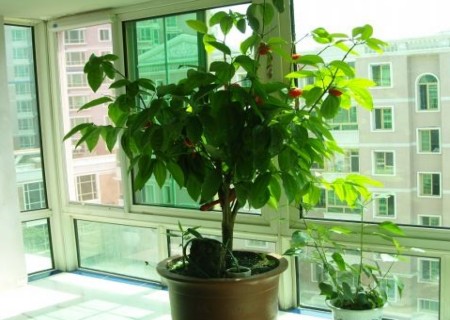
Soil: When choosing soil, first maintain two conditions: one is loose and breathable, and the other is strong drainage performance. You can choose fertile acidic potting soil or leaf mold for cultivation. Keeping the soil in a slightly dry or slightly moist state is sufficient.
Seed propagation: The Peace Lily is mostly propagated by sowing seeds. Before sowing, disinfect the seeds first; if you do not disinfect the seeds, you can directly soak the seeds in warm water at about 40 °C, which can also increase the germination rate.
Transplanting: Potted Peace Lilies are generally grown by seed propagation and transplanting. After the seeds mature, sow them immediately after harvesting, or store them mixed with wet sand, but this must not exceed 20 days, as they will lose their germination ability after that. Every year, weeding, loosening the soil, and fertilizing must be done 3 times.
Watering: The Peace Lily is not tolerant of drought and likes a humid environment, so normally you should err on the side of moisture rather than dryness, and you should also frequently spray water on the Peace Lily to increase air humidity.
Repotting: The Peace Lily likes loose, breathable soil, so loosen the soil once every month and replace the potting soil once every two years. Also, the flower pot must not be too small!
Fertilizing: During the vigorous growth period of the Peace Lily, its demand for fertilizer is very high. Generally, from spring all the way to autumn, apply a dilute fertilizer once a month. After the beginning of autumn, fertilize 2 times, and in winter, stop fertilizing.
Precautions:
1. If a small number of diseased leaves appear, remove and burn them promptly; avoid the whole leaf turning yellow and wilting, which would cause the plant to drop a large number of leaves.
2. During the plum rain season, prevent water accumulation in the pot. If there is water accumulation in the potting soil, it can easily cause the plant to turn yellow, with the lower leaves turning yellow and then falling off. In severe cases, it can damage the roots and stems, and even cause the plant to rot at the roots and die.