How to Grow Ranunculus (Persian Buttercup) and Key Points to Note
Speaking of ranunculus, it really makes us love and hate it at the same time. We have heard so many principles about growing ranunculus, yet we still cannot grow this "scallion" well. So how exactly do you sow ranunculus seeds? There is a lot of theoretical knowledge about sowing ranunculus online, and Xiaomei has specially collected and organized the experience of various flower enthusiasts for beginner flower growers to reference.
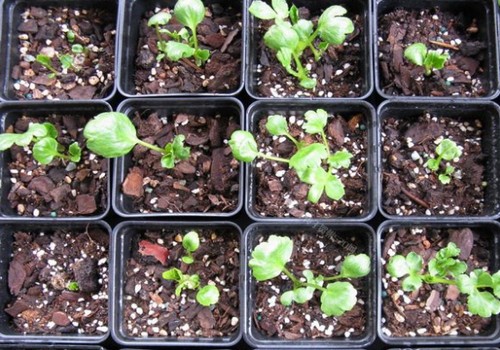
Ranunculus prefers cool conditions. Its roots like moisture but fear waterlogging. During the seedling stage, water must be controlled, watering only when dry. During the flowering period, the water requirement is relatively high, and a lack of water can easily cause irreversible wilting. During the seedling stage, the daytime temperature is best kept below 15°C, and the nighttime temperature is best kept at 5-8°C. Growth is best when the temperature difference is less than 10°C. If the temperature remains above 20°C for a long time, the leaves will turn yellow.
I. Sowing Time
Ranunculus can be sown as early as mid-September. If you want it to bloom around New Year's Day and Spring Festival, it needs to be sown in early August, but it must first undergo low-temperature pre-germination before sowing. It is said that research shows that when dry ranunculus seeds complete low-temperature pretreatment (-1°C plus or minus 0.2°C) in a sealed environment, the seeds have the best vigor (at 5°C plus or minus 0.2°C, vigor will be somewhat lower than at minus 1 degree Celsius), and at lower temperatures vigor decreases further.
II. Germination Temperature
Ranunculus seeds do not germinate easily above 20°C, so they should be sown in late autumn (because temperatures differ between north and south, flower growers should consider this carefully).
Method:
You can put ranunculus seeds in the refrigerator to germinate them, because the best germination temperature for ranunculus is 5-15°C. Germination generally takes about 10-20 days, and some may take 30 days to germinate, so flower growers need to be patient. Fresh ranunculus seeds germinate relatively easily.
III. From Sowing to Blooming
From sowing to blooming, ranunculus takes about 5-6 months. For example, if it germinates at the end of October that year, it generally blooms in early March of the following year. Ranunculus is relatively difficult to get through the summer, but the stage from autumn sowing to blooming the following spring is still relatively suitable.
IV. Flowering Period Management
In order to make the flower stems sturdy and prevent lodging, the amount of potassium fertilizer should be increased before budding, and bud thinning should be carried out in the early budding stage. To reduce the height of ranunculus, a certain amount of daminozide can be sprayed in the early stage of flower stem growth, or 15% paclobutrazol soluble powder can be sprayed at budding. Keep the temperature at 15-18°C and promptly cut off spent flowers. The flowering period can last as long as 1-2 months.
V. Post-Flowering Management
After the flowers fade, the aboveground stems and leaves gradually turn yellow and wither. For plants not kept for seed, the spent flowers should be cut off promptly after the petals fall, making full use of the period from flower fade to leaf yellowing to let the leaves produce more nutrients and send them to the underground tubers, making them larger, fuller, and more well developed. After summer begins and the temperature rises, choose a time when there are 2-3 consecutive sunny days to harvest the tubers, then rinse, sterilize and disinfect them, dry them, place them in a dry and cool place, and store them until autumn planting.