How to plant Impatiens seeds? A step-by-step guide to the planting method
Impatiens is mostly propagated by sowing to grow young potted plants, so if you want to sow it, you need to harvest the seeds in advance. After the fruit of Impatiens ripens, its seed pod will burst open, scattering the seeds in all directions. If fellow gardeners want to collect fully ripe seeds, they can search at the bottom of the flower pot or around it. Otherwise, you can keep track of the timing in advance and harvest promptly when the seed pod is about to burst. So, how do you plant Impatiens seeds?
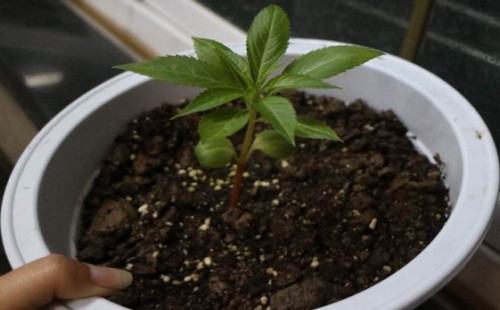
The sowing time for flower and plant seeds is generally in spring and autumn, and the same goes for sowing Impatiens seeds. When the temperature is kept at 22°C-26°C and the humidity is kept between 50%-85%, sowing can usually be done. But sowing should be carried out in sunny weather, because sowing under sufficient light is more conducive to seed germination.
Before sowing, we need to water the seedling bed in advance, usually watering it thoroughly so that the water fully soaks into the seedbed. But after sowing the seeds, we must not water immediately, otherwise the seeds are easily washed away and scattered. It is only necessary to cover the seeds with a shallow layer of soil 3-4 mm thick. After sowing is completed, take care to provide appropriate shade, and during this period do a good job of misting to maintain moisture. If all goes well, seedlings usually emerge in about 10 days. And when the young seedlings grow 3-4 true leaves, we should pot them up and transplant them in time.
But during the seedling-raising process, the care and management work must be done well. Usually, during the cotyledon stage after the seeds sprout, water should be replenished in time to keep the seedbed at suitable humidity, and the seedbed must never be allowed to dry out. But the seedbed should also not be too wet, otherwise it easily causes the occurrence of "damping-off disease."
When the young seedlings grow true leaves, that is, during the true leaf stage, we should appropriately control water; generally, water only when the surface layer of the seedbed dries. And at this time, water can be replenished by sprinkling. When 3-4 true leaves have unfolded, they should be transplanted in time. However, if you are a home potted-plant grower, since relatively few seedlings are needed, you can use the direct sowing method, and potted seedlings propagated this way are more conducive to strengthening the root system.
And before transplanting and potting up, we must water thoroughly, and can even water the seedbed into a thin mud consistency, and then pot up and plant. Of course, you can also transplant directly with a soil ball, and the planting depth should be slightly deeper. After potting up is completed, water thoroughly once in time. During the seedling recovery period, pay attention to controlling the frequency and amount of watering, and it is best to place the pot in a cool and ventilated place for management.
After a week of seedling recovery management, normal care procedures can basically be resumed. In the later period, in addition to increasing light, the main task is to strengthen water and fertilizer management. Generally, do not water unless it is dry, and after the plants are established and survive, a small amount of fertilizer water can be appropriately applied to meet the nutrient supply needed for the rapid growth of the young plants. But the nutrient elements in the fertilizer water applied should be as complete as possible, to lay a good foundation for promoting flowering later.