How to Prepare Potting Soil - Methods for Preparing Bonsai Potting Soil
Soil is the foundation of plant growth. To grow potted plants well, you must first get the soil right. Whether plants grow well in the limited soil of a pot is directly related to whether the potting soil suits the plant's growth habits. Potting soil serves to anchor the plant and supply nutrients, water and air. For general potting purposes, a sandy soil is required that contains plenty of humus, is loose and fertile, drains well, retains water well and has good aeration.
Bonsai soil has higher requirements. For residents of towns and especially large cities, it is very difficult to dig up mature soil on the spot. Soil can be bought at flower shops, or you can mix your own potting soil.
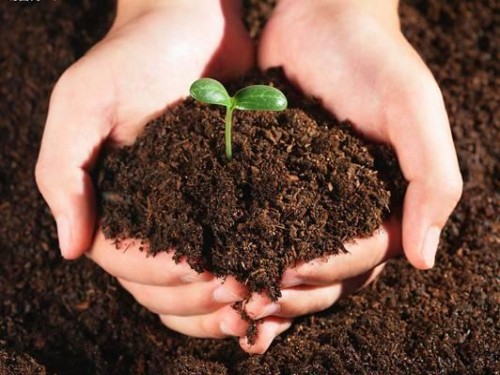
The main materials for preparing potting soil are as follows:
1. Humus soil
Collect leaves, wild grass, medicinal dregs, old straw bags (cut into pieces), sawdust, poultry and livestock manure, human excrement and urine, spoiled unsalted food that can no longer be eaten, etc. Use old potting soil or field soil to spread them in layers in a pit or pot, water thoroughly, cover with soil on top, and after a summer of high-temperature fermentation, once rotted it can be dug out and used.
2. Stove ash
The best stove ash comes from coal balls or honeycomb coal briquettes made from coal powder mixed with an appropriate amount of loess, after being burned. This kind of stove ash is often in the form of porous granules, contains various substances such as calcium, potassium, phosphorus, magnesium and iron, and has strong permeability. It retains water and fertilizer well and is light in weight, making it a good material for preparing potting soil.
3. Coarse sand
Sand grains with a diameter of about 1.5 mm, pure in texture, with good drainage and aeration.
4. Sandy surface soil
Pure in texture, with fine sand grains and good drainage and aeration.
5. Mountain forest leaf mold
In the gullies and depressions of hillsides and hilly areas, dead branches, fallen leaves, weeds and bird and animal droppings often accumulate, and after years of sun and rain they rot and naturally form leaf mold, which can be dug out and used.
6. Animal hoof pieces
These include pieces cut from the hooves of animals such as horses, donkeys, cattle, sheep and pigs.
7. Bone meal
Bones of poultry, animals, fish, etc., after being steamed under high pressure until cooked, are crushed into a powder.
According to the different needs of plants, the above materials are mixed in appropriate proportions to make potting soil. Ordinary potting soil is often mixed in the ratio of humus soil : sandy surface soil : stove ash = 6:2:2; it can also be prepared with mountain forest leaf mold : coarse sand : sandy surface soil = 6:2:2. Ordinary potting soil is neutral or weakly acidic, suitable for the growth needs of many bonsai plants. Before use, the potting soil should be sifted (the sieve openings should not be too small) to remove bricks, stones, tiles and larger branches and weeds that have not yet rotted, and should be disinfected to prevent pests and diseases.
Generally, bonsai soil does not need special disinfection; drying it in the sun for a few days is enough before use, because flowers and trees all have a certain resistance and under normal circumstances are not prone to disease. In addition, soil contains a large number of microorganisms. Although the tiny organisms invisible to the naked eye are very small, their role is great. Without them, it would be difficult for soil to form, and soil fertility could not be brought into play. The organic fertilizers applied to the soil, including animal remains, are only converted into nutrients absorbed by plants after decomposition by microorganisms. If disinfected with chemicals or by heating, the microorganisms in the soil will be killed, and the organic matter in it cannot be decomposed, making it difficult to guarantee soil fertility, which is unfavorable to the growth of flowers and trees.
What are the commonly used potting soil formulas for bonsai?
1. General formulas
(1) Leaf mold (or peat soil) : garden soil : river sand : bone meal = 40:30:30:5; or leaf mold (or peat soil), river sand, rotted organic fertilizer, superphosphate, etc., in a ratio of 5:3.5:1:0.5, mixed at the same time with about 0.2% sulfur powder, used for growing acid-loving flowers and trees such as camellias and rhododendrons.
(2) Mountain soil : garden soil : humus : bran ash (plant ash) = 2:2:1:1, or garden soil : compost : river sand : plant ash = 4:4:2:1, suitable for begonias, asparagus ferns, etc.
(3) Mountain soil : humus : garden soil = 1:1:4, suitable for acid-preferring plants such as Aglaia odorata, kumquat, jasmine, gardenia, etc.
(4) 5 parts garden soil, 4 parts leaf mold and 1 part river sand, suitable for woody flowering plants.
(5) 1 part yellow sand, 2 parts loam, 1 part humus, 0.5 part dry rotted cattle manure, suitable for palm family plants.
(6) 3 parts peat, 1 part yellow sand, suitable for ornamental plants grown in large containers.
2. Nutrient soil for major flowering plants
(1) Camellias, etc.: 3 to 4 parts leaf mold, mixed with garden soil and an equal amount of river sand, plus a small amount of bone meal.
(2) Rhododendrons: pine needle soil : rotted horse manure or cow manure = 1:1.
(3) Rubber trees, cordylines, etc.: leaf mold : garden soil : river sand = 3:5:2.
(4) Palms, coconuts, etc.: 5 parts garden soil, 2 parts river sand.
(5) Stump bonsai and potted trees: an appropriate amount of leaf mold and compost soil, with 1 to 2 parts river sand essential to facilitate drainage.