What kind of tin foil is better for bonsai cut wounds?
In the process of making bonsai, to prevent the cut surface of the trunk material wound from being infected by pathogens and thereby harming the tree, we usually need to disinfect and sterilize the cut after cutting the branches, so that the tree can heal better during growth and avoid secondary damage. So, how should wounds on bonsai branches be treated?
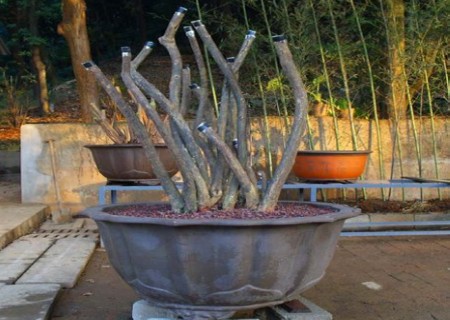
Generally, we can use wound healing agent for treatment. The method is to apply wound healing agent 1-2 times on the branch cut. Is that enough? In fact, applying wound healing agent is mainly to promote the healing of the wound cut surface on the tree branches, but to prevent infection and invasion by pathogens, we often also need another more important material, and that is tin foil.
The main function of tin foil is to protect the wound, and it also helps promote wound healing and prevents the wounded branches of the tree from dying. At the same time, a branch cut wrapped with tin foil can also prevent moisture inside the tree from transpiring through the wound, prevent the tree from dehydrating too quickly, and inhibit bacterial invasion. So, what kind of tin foil is better for bonsai cuts?
As for what kind of tin foil is better, we should decide according to the purpose we need to achieve. Usually it needs to meet the following requirements:
1. Strong self-adhesion
The tin foil selected should have very strong stickiness, because it is used to seal the cut surface of tree branch wounds. Since wounds generally accumulate moisture and sap, if the stickiness is poor, even tin foil that is well applied can easily fall off, failing to achieve our purpose of sealing.
2. Waterproof and antibacterial
For the same reason, the cut surface of a tree wound will seep some moisture and sap. If the tin foil cannot prevent water and pathogen invasion, it will likewise fail to achieve our purpose of sealing. Therefore, the tin foil chosen must have the function of waterproofing and preventing pathogen invasion.
3. Easy to cut at will
When we cut tree branches, in order to reduce as much as possible the overflow of moisture and sap from the wound, we need tin foil that is very convenient to cut, so that we can save time and improve efficiency. Therefore, the choice of tin foil material is important, and we must choose one that is relatively convenient to use, especially one made of a material that can be cut at will.
As long as everyone understands the uses, functions and effects that can be achieved by tin foil for bonsai, we can buy satisfactory tin foil on the market according to these requirements. After buying satisfactory tin foil, we should also pay attention when using it: we need to wait until the healing agent dries before using tin foil to wrap the wound. At the same time, to improve the fixing effect, we can also wrap a layer of tape on the outside of the tin foil, which can effectively prevent the tin foil from being washed off when spraying water on the bonsai tree. (Author: Xiaoshu 2017-08-23 22:16)