What are the sowing and propagation methods for butterbur (Petasites japonicus) in the Asteraceae family?
Butterbur, also known as winter flower and fuki, so how do you grow and propagate butterbur? What are the effects? Pests and their prevention and treatment? Based on this information, butterbur is a plant that likes a cool environment and needs some air humidity. When choosing soil, loose and fertile soil should be selected, and care should be taken not to let it get too dry. Maintain an appropriate temperature when cultivating butterbur, but it should not be too high in summer; be careful not to exceed 35°C. When planting, fertilizer must be applied beforehand so that it grows better.
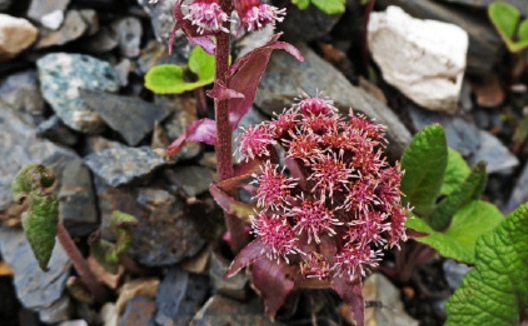
First, how is butterbur sown and cultivated?
Soil
When growing butterbur, a semi-shaded, semi-sunny, moist, slightly humus-rich, slightly acidic sandy loam soil should be selected, and the soil drainage should be good. After choosing the cultivation site, fertilizer can be applied, and the soil can be deeply plowed to finish the preparation.
Cultivation and weeding
When planting in spring, the seedlings will grow in the first half of April, and during the first cultivation and weeding, seedlings can be thinned at the same time. At this time, the root growth of the seedlings is relatively slow, so shallow soil cultivation should be used to avoid damaging the roots of the seedlings.
In June and July, the seedlings have already been released, and the root system has grown well. At this time, the first cultivation can be carried out.
In early September, the stems and leaves of the plant gradually stop growing, and the flower buds begin to differentiate. At this time, carry out the third cultivation, with no weeds left.
Interplanting
After the seedlings are released at the end of April and in early May, the seedlings can be thinned appropriately according to the emergence situation, leaving strong seedlings and removing weak plants.
Topdressing and soil cultivation
Butterbur does not need to be given topdressing well in the early stage of growth, to avoid excessive growth. In the later stage of growth, it is necessary to strengthen topdressing management. Topdressing should be combined with loosening the soil, covering the fertilizer on one side, and the roots of the plant should be earthed up to maintain the soil's fertilizer efficiency.
Watering
Butterbur is afraid of drought and afraid of waterlogging. During spring drought, it should be watered two to three times continuously. When the rainy season arrives, drainage must be prepared.
Leaf cutting and ventilation
Butterbur leaf growth occurs from June to August. If the leaves are too dense, with poor ventilation and poor light penetration, it will affect the plant's flower bud differentiation and also lead to pests and diseases. At this time, overlapping leaves need to be cleaned with scissors, and when rubbing with hands, avoid damaging the base of the plant.
First, what are the effects?
1. Detoxifying effect
First is the ability to eliminate some toxins in the body, treat poisoning after being bitten by a snake, and expel harmful substances from the human body.
2. Bactericidal effect
Butterbur contains an element that can relieve the effects of cockroaches. Not only that, it can also eliminate some fungi in the mouth, while promoting ciliary movement in the trachea, treating mucus secretion in the trachea, reducing the phenomenon of easy coughing, and treating bronchitis and other diseases.
3. Analgesic effect
Butterbur is a cool plant with a bitter taste, but it can help reduce toxins, eliminate bruises in the body, eliminate swelling and pain caused by bruises, and has a good effect on tonsillitis, bruises and other symptoms.
4. Antitoxic effect
Butterbur contains caffeic acid, which can inhibit the proliferation of bacteria, weaken their activity, and effectively treat acne on the face. Not only that, it can also treat colds and inflammation. It has a good prevention and treatment effect on bacteria such as Staphylococcus aureus and Shigella dysenteriae. In addition, it can also treat cataract symptoms caused by diabetes.
5. Contraindications
Although butterbur has many benefits, it cannot be used under all circumstances. For people with relatively cold spleen and stomach and relatively thin stool, it is better not to use this plant too much.
Third, pests and diseases and their prevention?
Butterbur brown spot disease and its prevention and treatment
Brown spot disease symptoms: Brown spot disease mainly damages plant leaves. The lesions on the leaves are round or nearly round, and summer is the concentrated period of the disease.
Prevention and control of brown spot disease: Remove diseased and unhealthy strains, and spray with Bordeaux mixture in the early stage of the disease. Spray once every 7 to 10 days, several times in succession.
Butterbur dead leaf disease and its prevention and treatment
Symptoms of dead leaf disease: It mainly damages the leaves of the plant. The lesions extend inward from the leaf edge, and the lesions are black irregular spots. When the leaves are infected, they become brittle, causing the leaves to partially or completely dry out, and spread to the petioles.
Control of dead leaf disease: Remove infected dead leaves and spray with Bordeaux mixture.
Beetle aphids and their prevention and treatment
Aphid symptoms: Aphids can suck the sap of plant stems and leaves, and in severe cases can cause the stems and leaves to turn yellow.
Locust control: In winter, clean the garden, and bury or burn dead plants and fallen leaves. In the early stage of the disease, spray with pine preparations, and spray every seven to ten days.
Butterbur white rot and its prevention and treatment
Symptoms of white rot: Water-soaked lesions appear on the roots of diseased seedlings or adult plants. When the lesions spread, small white sclerotia form and gradually turn dark brown.
Prevention and control of white rot: Strengthen cultivation management, and choose to plant in high, dry areas; carbendazim and thiophanate-methyl can be used for prevention and treatment.