How to Grow Ranunculus? A Detailed Guide to Cultivation Methods
When you mention ranunculus, don't you think it looks delicate and lovely, with rich and brilliant colors? Ranunculus is a flowering plant very suitable for decorating the home. Ranunculus, also known as celery flower and Lulian flower, is a perennial herbaceous flowering plant in the family Ranunculaceae and the genus Ranunculus.
Ranunculus, also known as celery flower and Lulian flower, is a perennial herbaceous flowering plant in the family Ranunculaceae and the genus Ranunculus. Its plant form is low and compact, its colors are vivid, its flower stems stand upright, and its flower shape is graceful and unique. The blooms are large and beautifully varied. The petals are tightly packed.
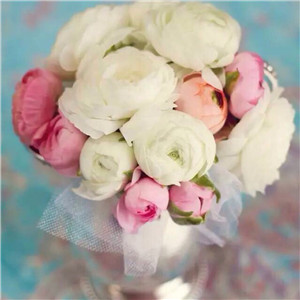
Ranunculus, also called Persian buttercup, looks like a wasp nest, in every color imaginable - red, white, pink, and bicolor - with an ornamental period of 30 to 40 days, uniquely stylish and full of charm.
So how do you grow ranunculus? Do you know? Let me introduce it to you.
When it comes to how to grow ranunculus, it is neither hard nor easy to say; in the care process of many flower enthusiasts, most failures happen during the storage and sprouting of the tubers.
1. After mid-April, the weather starts to turn noticeably hotter, and ranunculus needs to be placed under tree shade or in partial sun, avoiding long exposure to the scorching midday sun. This can extend the flowering period.
2. Once all the leaves of the ranunculus turn yellow and wither, cut off water completely. If it happens to be rainy weather, you can place the pot under the eaves so that rainwater does not hit it. Key point: ventilation with no water.
3. As time passes and mid-September arrives, the weather turns noticeably cooler after mid-September. We take out the ranunculus, pot and soil together, water it a little (just a small amount), and after the soil is no longer so hard, carefully take out the tubers.
4. Potting: After the ranunculus pot is prepared, line the bottom with tile shards, clay pellets, or foam blocks. The soil mix should not be too loose; succulent nutrient soil is too loose and not good. Generally use garden soil as the main component with a small amount of perlite or nutrient soil, as long as it does not compact.
Ranunculus has high ornamental value and is an ornamental flower that many friends like. Flower enthusiasts should learn more about it. Uniquely stylish and full of charm, it is a beautiful sight as a spring potted ornamental plant.
Time: 2019-05-18Clicks: