How to care for geraniums in winter? Detailed care methods
Geraniums have a very long flowering period. If they are well cared for in winter, you can still see their beautiful flowers. However, if they are not maintained well, they will not do well and may even freeze and die. Below, the editor introduces the methods for winter care of geraniums, hoping everyone enjoys it.
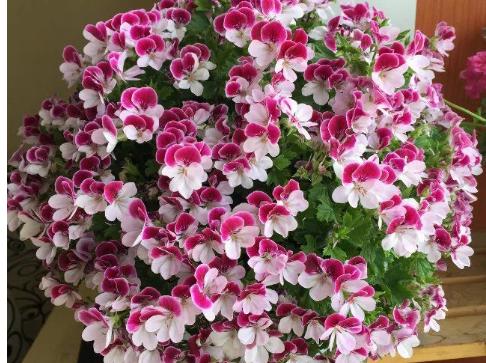
How to protect geraniums in winter
Geranium winter care - temperature control and light
Geraniums like warmth and fear cold. To avoid frostbite, winter measures should be taken to prevent cold damage. Keep the room temperature at 15~20°C, and not 10°C at night. When the temperature is lower, plant growth is weaker, flower bud differentiation is slow, and there are fewer or no flowers. However, the temperature must not be higher than 25°C, which will affect its growth.
Usually place the flowerpot by a sunny window so it can fully receive light. If the light is insufficient, the plant will grow poorly and flowering will also be affected. In severe cases, the flower buds will wither, and this will affect the first year of flowering.
Geranium winter care - moderate water and fertilizer
Geraniums are afraid of both wet and dry conditions. In winter, water evaporates slowly, so watering should be more careful. Usually, water once every 5 to 7 days, and keep the soil dry. When watering, pay attention to the water temperature; it should not be too cold. If you water too much in winter, the leaves will fall off, the flower buds will become poor, and even the roots will rot and the plant will die. Spray the leaves with fresh water every day to ensure the leaves are clean and can be used for photosynthesis and to accumulate nutrients.
To make geraniums bloom in winter, they need to be provided with enough nutrients. Apply thin liquid fertilizer for 10 days, or water with fermented rice water after fermentation.
Geranium winter protection - pruning and pinching
To encourage geraniums to grow more branches and bloom more, the plant should be topped multiple times, and the heart should be gently pinched before flowering to encourage the plant to increase branching and flower buds. To bloom in winter, cut off dead flowers in time, and cut off dead branches and thin branches so as not to consume too many nutrients. However, winter temperatures are lower, so prune lightly to avoid slower recovery of the plant.
Are geraniums poisonous?
In fact, it is both poisonous and non-toxic, but it also depends on several situations: when kept at home, observed, and smelled, it is non-toxic. However, the plant itself is poisonous. It can be said that the entire geranium plant is poisonous. Ingestion can cause symptoms such as spasms, abdominal pain, diarrhea, shortness of breath, vomiting, and blood in the stool. Still, the editor thinks no one would be hungry enough to eat flowers.
However, in the process of home cultivation, when pruning branches and flowers, try to wear gloves, as the sap will contaminate the skin and cause redness and itching.
Who should stay away from geraniums
This is not because geraniums are poisonous, but because of their floral scent. The scent of geraniums is a bit like roses, and it is also a bit like mint. It is not only non-toxic, but can also regulate hormones, stimulate lymphatic drainage, and balance skin oil secretion. Geranium is a very good insect repellent. In particular, scented geraniums release their scent when touched. However, for some people, it is better not to keep geraniums if they have allergies.
Geraniums are also not suitable for placement during pregnancy or in homes with pregnant women, because pregnant women and babies are more sensitive, and they may cause allergies due to the stimulation of geraniums.