How to grow four-season osmanthus? Detailed growing methods and precautions
Osmanthus cultivation, osmanthus is especially fragrant, osmanthus prefers acidic soil, pH 5.6-PH6 is better, osmanthus is not hot, it cannot be seen in spring, it does not like smoke, so do not put osmanthus in public places,
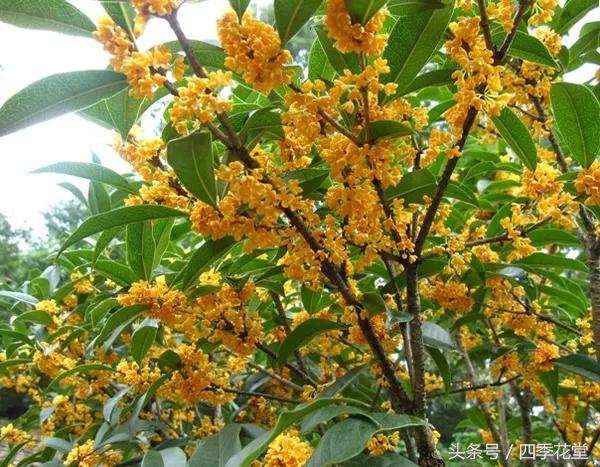 ?
When the indoor temperature is higher than 20°C, water every three or four days. The water should be dry and then poured. Water should be poured in the afternoon. The temperature should be 30°C. It should be watered once in the morning and once in the evening every day. Osmanthus likes fertile soil.
?
It is the most fertilized within a month. It likes fish scale water, livestock manure and soil with good permeability. Autumn osmanthus will grow long. During this period you should pay attention to management, and if you prune it, you should keep it healthy. You can also use the cut branches for cutting and sprouting next spring,
In winter, osmanthus cannot be given too much water, and the indoor temperature should be higher than 10°C, so that the osmanthus can safely pass the winter, and after the next winter it can bloom beautiful flowers
Potted plants are cultivated like this, and they can bloom all year round. Not bad, full of flowers!In my impression, osmanthus is some plants grown in the ground. In southern regions, osmanthus will also be used as a landscaping plant. There are many osmanthus varieties that can bloom in all four seasons, such as osmanthus, dangui, yingui, etc. Gui etc., but many people now use osmanthus as an indoor potted nursery
Growing osmanthus is not difficult. As long as it is carefully maintained and carefully managed, it will certainly be able to yield golden sage, fragrant, pleasing to the eye, and refreshing. As for how to make osmanthus more abundant and fragrant, in addition to managing its habits and characteristics, you also need to master the following main points:
Potted osmanthus should be careful to avoid frequent watering; water regularly, and let the pot soil dry out. Soil that is too wet easily causes root rot or wilting, and also easily causes leaf drop.
Osmanthus grows in slightly acidic soil rich in humus (pH 5.6~6 is suitable). Alkaline soil or sticky soil should not be used. Cultivated soil can be used with 4 parts humus soil, 3 parts and 3 parts sand. Add a small amount of fish scales, bone meal, etc. to decomposed manure, or mix and prepare 5 parts mulch, 3 parts humus soil and 2 parts sand.
If osmanthus planted in the ground wants to be safe in winter, in addition to pouring antifreeze water before winter, also pay attention to placing antifreeze under the rhizome. The roots can be wrapped with some felt or some newspaper, which can enhance their cold resistance.
Likes light, afraid of smoke: osmanthus likes sunlight, warmth, and high temperatures, but is not cold-resistant. During the growing season, it should be placed in a wind-protected sunny spot. From June to August is the flower bud differentiation period of osmanthus. If you can provide sufficient sunlight for 10 hours a day and a high temperature of 30~35 degrees, it can promote buds and increase the flowering rate.
Other notes:
Osmanthus cultivation should be pruned regularly, cutting off some long branches, weak branches and diseased branches. This will help the plant resume growth and promote the growth of more branches. The cuts can be disinfected with wood ash. .
Indoor potted plants are cultivated like this, and they can bloom all year round.In my impression, osmanthus is some plants grown in the ground. In southern regions, osmanthus will also be used as a landscaping plant. There are many osmanthus varieties that can bloom in all four seasons, such as osmanthus, dangui, yingui, etc. Gui etc., but now many people use osmanthus as an indoor potted plant. How can they bloom better?
Osmanthus (Osmanthus fragrans) is a plant that likes slightly acidic conditions. In addition to maintaining ventilation and sufficient environmental lighting, you should also be careful to avoid water accumulation in the soil and keep a warm environment all year round. Also pay attention to regularly cleaning the leaves and keeping the soil slightly acidic. Avoid soil alkalinity.
Potted osmanthus should be careful to avoid frequent watering; water regularly, and let the pot soil dry out. Soil that is too wet easily causes root rot or wilting, and also easily causes leaf drop.
When friends in the north grow osmanthus, they can choose some varieties with poorer cold resistance, such as the common small-leaf four-season or red double happiness, which are slightly more cold-resistant than ordinary varieties.
If osmanthus planted in the ground wants to be safe in winter, in addition to pouring antifreeze water before winter, also pay attention to placing antifreeze under the rhizome. The roots can be wrapped with some felt or some newspaper, which can enhance their cold resistance.
1. Cultivated land
Osmanthus is not very picky about soil; make sure the soil is loose and slightly acidic. If possible, add compost soil or peat soil to the soil, and it is better to mix in river sand. This will ensure the soil is loose and breathable. .
2. Planting opportunity
Spring and autumn are the better times to plant osmanthus. It is better to plant in autumn and on rainy days. Pay attention to proper shading. The potting environment should be kept ventilated and warm, the soil should remain well drained, and it should adapt for one to two weeks. Then slowly increase the light.
3. Protection location
Growing osmanthus requires a warm and humid environment. Pay attention to cold protection. In addition, more sufficient light must be provided to ensure the annual temperature is above 5 degrees. For outdoor maintenance, it is usually moved indoors at a temperature of about 10 degrees. A south-facing windowsill is more suitable.
4. Proper water supply
Potted soil cultivation needs to be properly mixed with decomposed organic fertilizer in the soil. After planting, it should be watered. Before the roots are still growing, keep the soil moist. The plant should be shaded and ventilated to avoid fertilization.
When watering osmanthus, soft water should be used as much as possible, so as not to frequently use tap water to water flowers, otherwise it is easy to make the soil alkaline. You can use rainwater or tap water that has been left standing for two to three days.
Other notes:
Osmanthus cultivation should be pruned regularly, cutting off some long branches, weak branches and diseased branches. This will help the plant resume growth and promote the growth of more branches. The cuts can be disinfected with wood ash. .