How to grow a Peace Tree? Cultivation methods and care tips
The peace tree is evergreen with beautiful foliage. Its flower meaning is a prayer for peace, family happiness and good fortune. Because of the name "peace," it is deeply loved by most flower enthusiasts. The peace tree is rich in cinnamon oil, which can release fragrance, purify odors and clean the air. It is suitable for indoor cultivation. The upper surface of the peace tree's leaves is bright green with a metallic sheen, while the underside is grayish-green. It can be used as a bonsai plant or a very beautiful garden plant. So how do you raise a peace tree so its leaves shine like wax?
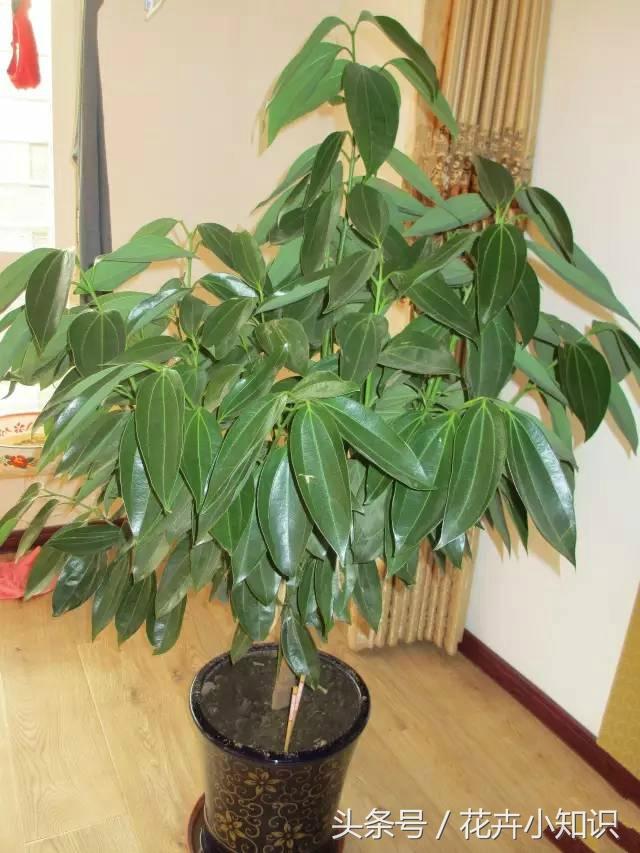
Potting soil selection: Potted peace trees should be grown in loose, airy, well-drained, fertile acidic culture soil or humus soil rich in organic matter. If the soil is heavily compacted or low in acidity, the leaves of the plant will turn yellow, new leaves will grow too slowly or no new leaves will grow at all, affecting the peace tree's lifespan. Regularly add vinegar water or ferrous sulfate solution, and regularly loosen the soil to avoid soil compaction.
Suitable temperature: The optimal temperature for peace tree growth is 22°C to 30°C, and the lower temperature must not fall below 5°C. If frost is encountered, insulation should be done well to prevent freezing and withered bark, and the tree may freeze to death. When summer temperatures are above 30°C, appropriate cooling is needed; a fan or air conditioner can be turned on to achieve the cooling effect.
Moderate light: Good photosynthesis promotes effective growth of flowers and plants. The peace tree not only likes sunlight but is also very shade-tolerant. Under shady conditions, plant height increases rapidly. But at the same time, it is also very afraid of glaring direct sun, so in the hot summer sun, the tree should be effectively shaded from sunlight, and potted plants can be placed in weak indoor sunlight. If exposed to sunlight, the peace tree's leaves are prone to scorching, causing the leaves to dry out and wither.
Reasonable watering: The peace tree favors a humid environment and is not drought-tolerant. Its potting soil should be kept relatively moist. In dry weather, water should often be sprayed on the leaves and in the growing environment to maintain good air humidity in the growing environment. To prevent water accumulation in the pot, if there is water in the potting soil, it will cause the plant to turn yellow, and the lower leaves will fall off after turning yellow. In severe cases, the roots will be damaged, and even the plant's roots will die. In addition, when watering, some vinegar water or ferrous sulfate solution can be added to increase the soil's acidity.
Proper fertilizing: The peace plant is full and has large leaves, grows relatively vigorously, and requires a large amount of fertilizer. During the growing period, the peace tree can be fertilized once a month. After entering autumn, phosphorus and potassium fertilizer should be applied twice in succession, such as a 0.3% potassium dihydrogen phosphate solution, to increase the plant's cold resistance and promote early branching and early lignification so they can survive the winter. In winter, all forms of topdressing should be stopped to prevent damage to the roots, which would cause the leaves to turn yellow or die.
Safe cultivation methods and precautionsPeace tree, whose real name is Lanyu cinnamon (Cinnamomum kotoense), is an evergreen small tree of the Lauraceae family. It is produced in southern Taiwan, China. It originated in Lanyu, and its aliases include red-head fish cinnamon, red-head mountain cinnamon, Fanglan mountain cinnamon, large-leaf cinnamon, Taiwan cinnamon, etc. It is the representative tree of Hawaii. With a beautiful shape and small green leaves, it is a very precious ornamental plant.
The peace tree likes a warm, humid, sunny environment and is light-tolerant and shade-tolerant, but not tolerant of drought, water shortage, cold or air. When planting, it is recommended to use loose, fertile, well-drained soil rich in acid. Under artificial cultivation conditions, create a warm and humid environment for it. The suitable growth temperature is 20°C to 30°C. The need for light changes with age: seedlings are shade-tolerant; for 3- to 5-year-old plants, plant height grows faster under shady conditions; 6- to 10-year-old plants need sufficient lighting. However, in summer, care should be taken to avoid excessive light and yellow leaves, which would reduce ornamental value.
Potted peace trees should always keep the soil moist, but without water accumulation, and the relative humidity of the environment should be kept above 80%. If there is water in the pot, it is easy to make the plant turn yellow, and the lower leaves will fall off after turning yellow. In severe cases, the plant's roots will die, and even more attention must be paid in the coming rainy season.
The peace plant is full and its leaves are relatively large, and the amount of fertilizer required is also large. In addition to the requirement of cultivating soil fertility, potted peace trees can be given thin fertilizer or fertilizer water every month from mid-autumn to early autumn. In winter, all forms of topdressing should be stopped to prevent the roots from turning yellow.