How to grow potted lotus? Practical cultivation methods for you
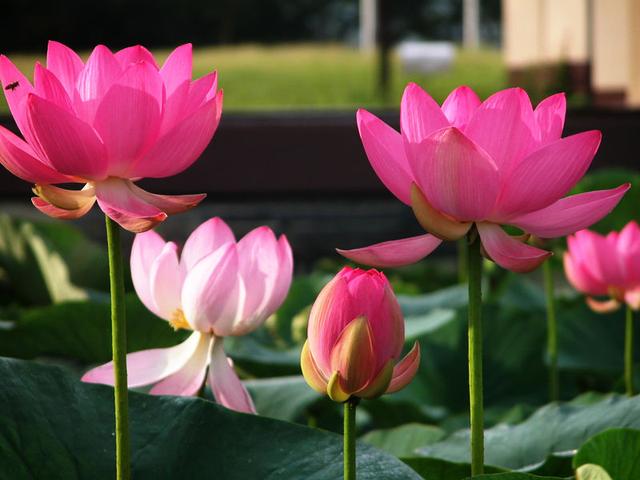
Lotus is a very common flower in summer, especially in lakes. After a thunderstorm, the small water droplets are especially dazzling in the sunlight. The colors of lotus range from white to red, with green and green lotus leaves. The red flowers and green leaves in the pond are a beautiful scenery in summer. So how do we grow such a potted plant?
1. Choosing soil
We can use some loose and fertile soil, preferably mud, and then mix it with the soil from the community. We put some dead leaves and fish bones at the bottom as base fertilizer, so that when the lotus grows from seedlings it will store a lot of energy. Usually, the soil should remain acidic. When watering, drop a few drops of vinegar into the water, or orange peel on the surface of the pot is fine.
2. Lighting
Lotus is a summer plant, so it has more requirements for lighting. We can basically put it outside the windowsill during the day, but we should note that the temperature at noon in summer is very high, so we had better shade it from the sun. Do not allow all the light to find the lotus, as this easily leads to water loss, which is not good for survival.
3. Watering
Lotus is a plant that likes water. Otherwise, it would not be able to open in a pond. Usually summer is very hot. We can choose to water in the morning so that the water temperature and the ambient temperature are close to each other. Keep the water clean, not too muddy. Each time you water, first look at the potting soil. We must insist that all the water has dried. It is not very dry. It can be watered later.
4. Pests and diseases
Pests and diseases are problems that many plants will encounter. We need to prevent and control them while protecting. It is not good to prevent the plant from being infected after pests and diseases have occurred. When watering, we can water with boiled water once a month, because pepper contains a lot of irritants, which is helpful for preventing the invasion of ice worms.
In order to protect the lotus, we need to know more about the habits of the lotus, what kind of soil we like, what kind of environment we should create, and so on. We need to have some understanding before maintaining them. Otherwise, it is easy to get busy with maintenance. When some problems appear, I do not know what to do, all right, everyone, friends, do you understand?
One lotus root, one large water tank, and you can also grow such a beautiful pot of lotus!Guide
Lotus is one of the top ten famous flowers of China. It is called the hibiscus in water. I believe many flower lovers will want to grow a pot at home, but in most people's view, they will grow them from lotus seeds. Today, I will introduce to you how to grow the most beautiful lotus root lotus pot.
1. Lotus root selection
The reason you choose to grow lotus from lotus root is that it can reduce the cumbersome steps of propagating from lotus seeds, grow lotus leaves and stems faster, and choose one or more well-preserved, disease-free lotus roots. Bring them home and wash them with water. Wait until they are dry before setting aside for later use.
2. Container selection
If you choose to grow lotus from lotus root, you must choose a slightly larger flower pot. The flower bud thinks that the larger the flower pot, the more enough growing space the lotus root has in the pot, and the more luxuriant the lotus grows. If there is an oversized water tank or a large stone trough, that is even better, making the lotus grown in a container with an antique shape more ornamental.
3. Making potting clay
The potting mud for cultivating lotus can be made from fertile garden soil and base fertilizer, but it needs to be soaked in water for at least half a month before use, so that the pot can be more nutritious. If possible, you can go to a pond or pool. It is better to catch river mud, but only on the premise that the river water has not been polluted. After the mud is prepared, the lotus root can be buried in the mud.
4. Fertilizer and water supply
Fertilizing lotus should be carried out after the leaves grow, because there is enough base fertilizer at the initial planting. After the lotus leaves grow out of the water, phosphorus and potassium fertilizer should be applied every half a month, and phosphorus fertilizer should be applied when entering the bud stage. Or it is a decomposed water and fertilizer cake, which can ensure the leaves are full. Do not let the water in the pot be lacking. This will cause the plant to dry out. Usually, water can be added every two days, and the water should be 10 cm away from the pot.
5. Light and temperature control
Lotus has strong requirements for lighting. At least 6 hours of light are needed every day. This will ensure that the leaves expand, the flower buds increase, and the flowers are full and beautiful. Remember not to put them in a shady place. Otherwise, the leaves will not grow. Generally speaking, the optimal growth temperature for lotus is 25-35 degrees. If the temperature is too high, ventilation must be provided, and appropriate shading should be carried out.