How do you grow gardenias so they thrive? A detailed guide to care methods
Besides being an ornamental plant, the gardenia's fruit, leaves and roots can also be used as medicine, with effects of clearing fire and removing toxins, clearing heat and promoting urination, and cooling the blood and removing toxins. The flowers can be used as a flavoring in tea, and the fruit can reduce inflammation and heat. It is an excellent fragrant flower. How can it grow well when cultivated? This is everyone's method for gardenia maintenance. Let's take a look.
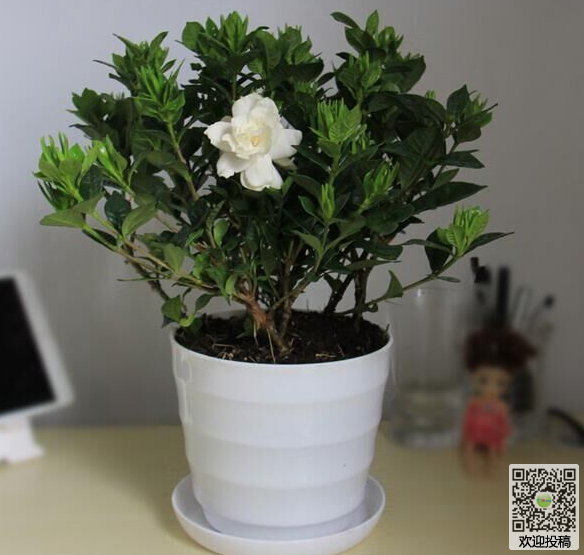
Gardenia maintenance methods
1. Flower soil
The first step to making it look good is to choose a soil suitable for it, and then grow it. Generally, it is suited to flower soil with a pH between 4.0 and 6.5, but preferably between 5.0 and 6.0. In addition, the flower soil also needs to be soft and rich, with a certain water-holding capacity and a certain air permeability. So, in short, we recommend mixing garden soil with humus soil or peat soil at 1:1 as the flower soil. The former focuses more on nutrients, while the latter focuses more on water retention. The specific details of how to choose depend on the flower and the grower.
2. Environment
Besides the flower soil, we need to provide suitable conditions for its growth so that it can grow better. When it comes to growing conditions, the first thing to mention is water. This flower is a moisture-loving flower, so we must always keep it moist and must not let the soil dry out. In addition, we can use a spray bottle. Spray some water or beer to moisten it.
Let's talk about lighting. Because it is better suited to growing in a place with plenty of light, we must give it enough light, usually half a day of sun.
Finally, flower fertilizer. Relatively speaking, its demand for flower fertilizer is quite large; whether for growth and development or flowering, it cannot do without nutrient support, but everything comes too late. Once too much flower fertilizer is added, the plant cannot absorb it in time, and the remaining flower fertilizer will stay in the flower soil, which may cause root burn.
3. Techniques
Besides providing it with the right growing conditions, we also need some methods to help it grow better.
The first is pruning. Many friends think it only needs to be pruned before flowering, because pruning before flowering can make it bloom more and more beautifully, and pruning after flowering can help it recover quickly. In fact, under normal circumstances, we also need to prune and cut the leaves, so that we can promptly remove some useless shoots to reduce nutrient consumption. Second, it can help remove diseased leaves and prevent the spread of some diseases.
The first is changing the pot. Flowers that have been grown for many years do not do well because there has been no change. Changing the pot not only increases its growing space, but also replaces it with new flower soil and provides more nutrients so that it grows better.
The flowering period of the gardenia
When does the gardenia bloom?
The gardenia's flowering period is spring and summer, and it can bloom continuously from May to June until August, but there will be individual early or relatively late cases. Due to different climates, the flowering time differs in different regions.
How long is the gardenia's flowering period?
In fact, the gardenia's flowering period is relatively long, and 1 flower can open for 3 - mdash; — 5 days. Sometimes, the flowering period of a larger flowering plant can last as long as a month.
Reasons why gardenias do not frost
Why do gardenias not bloom?
There are several reasons why gardenias do not bloom, or bloom little.
During the gardenia's growth period, too much water and fertilizer cause the plant to grow leggy and affect the formation of flower buds, resulting in no flowering or little flowering during the flowering period. Excessive application of nitrogen fertilizer can also affect the formation of flower buds.
When the gardenia grows, it does not like glare, but it cannot do without light. If the light is too strong or too weak, it will affect the gardenia's flowering.
Gardenias like slightly acidic soil. The soil in northern regions has higher salinity and is relatively more alkaline. It is not suitable for the gardenia's growth, which will cause the plant to turn yellow and affect flowering.
As the gardenia grows, the branches grow long and messy, with diseased branches and dead branches, consuming a large amount of nutrients needed for the gardenia's growth. If the branches are too dense, the gardenia's leaves cannot carry out photosynthesis, which is not conducive to the gardenia's growth, and this will also cause the gardenia not to bloom.
Finally, when the gardenia encounters severe pests and diseases, the gardenia flower buds will be invaded or even drop off.
These are the reasons why gardenias do not bloom.
How to make gardenias bloom
When gardenias do not bloom, measures need to be taken to change the situation. The reasons for the gardenia's failure to bloom can be analyzed and the right remedy applied.
In terms of water and fertilizer management, focus on reasonable watering and fertilizing in daily life, and pay attention to applying more flower fertilizer containing phosphorus and potassium during flower bud differentiation to promote flowering.
In terms of lighting, attention should usually be paid to shading in summer. In winter, gardenias should be placed in a room with plenty of light to avoid affecting the gardenia's flowering. In addition, before planting gardenias, the soil can be acidified to change the soil's acidity and alkalinity, which is beneficial to the gardenia's growth.
During daily maintenance, prune the plant in time according to the gardenia's growth so that it grows normally and blooms. During the planting process, attention should also be paid to pest control.
Notes on gardenia blooming
Gardenia flowering management
To make gardenias bloom profusely, you can do the following:
Liquid fertilizer can be applied about half a month before the gardenia blooms. Watering once to 2 times during the bud stage with a 0.1% potassium dihydrogen phosphate aqueous solution can make the flowers abundant and rich. Doing a good job with fertilizing can extend the flowering period.
After the gardenias finish blooming, the branches should be cut off in time to promote the sprouting of new branches.
In addition, apart from the need for shade during the strong light period from July to August and dormancy in winter, gardenias usually need to be placed in the sun to keep the flowers.
Taboos of gardenia blooming
When gardenias are in full bloom, there are a few points to note:
First, when gardenias are in full bloom, do not water the flower buds, as they rot easily.
Second, fertilizing during the gardenia's flowering period will promote the plant's vegetative growth, which may lead to leggy growth, causing buds to drop and flowers to fall.