Detailed Explanation of the Cultivation Methods and Effects of Serissa
The roots, stems and leaves of Serissa can be used as medicine. It can also be used as an ornamental flower. How do you cultivate this precious flower? Below, the editor introduces the cultivation methods and effects of Serissa. I hope everyone finds it helpful.
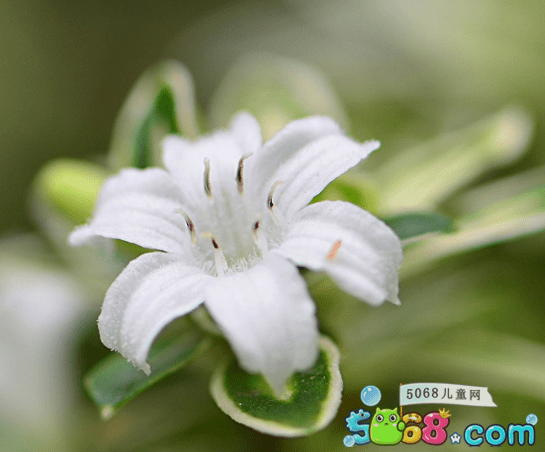
Serissa Cultivation Methods
1. Repotting: Generally, February to March is the best time for repotting. Of course, the rainy season and late autumn are also good seasons. When repotting, choose purple clay pots or glazed pots; the pot color should be dark, which can form a sharp contrast with the flower color. The potting soil should be sandy soil, suitably loose and rich in organic matter, with good drainage and aeration. In addition, when choosing fertilizer, pine needle soil, humus soil and peat can be mixed together, and it is better to add about 10% rice husk ash.
2. Water and fertilizer management: Serissa's water and fertilizer management should be appropriate, neither too dry nor too wet; keep the water level in the pot, reduce watering frequency in winter, and in summer generally spray the leaves 1-2 times. In addition, the best time for fertilizing is from April to May each year. It can be watered with a 0.5% phosphorus and potassium fertilizer solution. In winter, it can be applied again. It can be irrigated with thin organic fertilizer, but it should not be over-fertilized. Heavy fertilizer is a big taboo.
3. Light and temperature requirements: Serissa likes sunlight, warmth, moisture and ventilation. Therefore, during the growing season it should be kept under these conditions for maintenance. In summer, it should be properly shaded. Avoid exposure to direct sunlight. In winter, it should be moved indoors to maintain a certain temperature, such as 5 to 12°C.
4. Repotting and pruning: Repotting in the first year can make the soil looser and is suitable for plant growth. At the same time, removing old soil and properly pruning the roots can also improve its ornamental value. In winter, shaping and pruning should be carried out. Long branches and short branches should be pruned, and dense branches should be thinned. It can remove messy branches and leaves, improve the plant's appearance, and cut off diseased and pest-infested branches and leaves. At the same time, by pinching the heart, rubbing off buds, removing branches, etc., maintain a certain shape, elegant and charming.
5. Pest and disease control: Serissa generally has fewer pests and diseases, but occasionally there are aphids. At this time, you can spray with essential balm, which can kill mites, but avoid too high a concentration; it is more suitable to dilute 500 to 600 times. In addition, root rot sometimes occurs. At this time, water with 800 times root rot liquid and 600-1000 times copper oleate emulsifiable concentrate. Spray once every three to five times for three consecutive times.
The Effects and Functions of Serissa
Serissa is also known as star flower, one-day flower, etc. It belongs to the Rubiaceae family and is a medicinal flowering plant. Its taste is bitter and cool. It has the effects of dispelling wind, promoting diuresis, relaxing tendons and invigorating blood, clearing heat and detoxifying, regulating the spleen, and treating rheumatism. It has a certain therapeutic effect on symptoms such as pain, migraine, toothache, sore throat, stomatitis, neurodermatitis, damp-heat jaundice, herpes zoster, and leukorrhea.
Key Points for Serissa Ground Protection
In summer, when it is dried under high temperatures, in addition to daily watering, spray the leaves and nearby ground with fresh water in the morning and evening to cool down and increase air humidity. Plants should be placed in a shaded area and should not be exposed to strong sunlight for a long time. After it falls, as the temperature drops, the amount of water should be gradually controlled, and watering should be done every 2 to 3 days. In winter, move it into a cold room with a temperature not lower than 0°C or overwinter indoors, watering once every 20 to 30 days; if the room temperature is above 15°C, the evergreen will not shed leaves, so water once every 7 to 10 days to keep the air moist and give sunlight. Avoid freezing when cold, otherwise it is easy to die. Before taking it out in March each year, replace the pot with humus soil and use the bottom of the pot as base fertilizer.
Reduce pests and diseases. Occasionally, mites are harmful and can be sprayed with 1500 times omethoate.