How to Plant in a Garden: A Tutorial Teaching You How to Grow a Garden
Are you ready to grow a garden? It is much easier than you think! First, decide what flowers you want to plant, then provide the right environment for your plants. You need to learn how to design a garden, plant the plants, and give them proper care.
How to plant in a garden is part of the Grow a Garden series of tutorials, which also includes designing a garden, planting in a garden, and caring for a garden. If you want to learn how to plant in a garden, follow along with the Grow a Garden tutorial from Juqiao.com.
How to Plant in a Garden
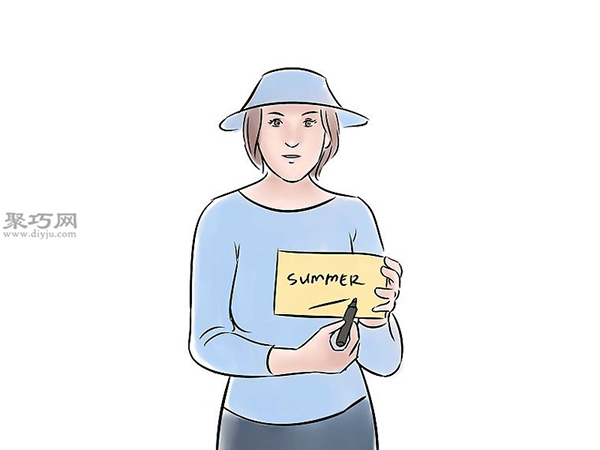
Know When to Plant
Different vegetables, flowers, herbs, and other plants must be planted at specific times of the year. Some plants must be planted before the last frost of the year, and some must be planted after temperatures rise above zero. Some are planted in spring, while others are planted in summer or autumn. Planting time requires your special attention.Prepare the Soil
Use stones or other markers to outline the area where the garden will be. Remove stones, roots, and large weeds within the boundary. Use a tiller or rake to work the soil. The tilling depth is about 12 inches. Mix fertilizer into the soil while tilling.Be sure to use fertilizer in moderation. Using too much is bad for plant growth.
If weeds are growing in the area you are tilling, it is best to remove large clumps of grass so you can till deeper.
Dig Holes and Plant Seedlings
Use a shovel to dig holes of the appropriate depth, and make sure the distance between holes is appropriate so that each plant has enough room to grow. Place the seedlings into the holes and cover the seedlings with topsoil. If needed, add mulch on top.Water
A new garden should always be kept moist. If seedlings lack water, they will likely die before they grow up. Use sprinkler equipment to water the garden every morning and afternoon.Check the soil often. If it looks very dry, water again.
Do not water at night; once excess water sits overnight, it can easily lead to mold growth.
DIY Tips
Be a little patient, and do not eat all the vegetables before they have grown well.
Do not worry; bugs may nibble a few small holes in the plants, but we do not need to remove them all. Having bugs is not a bad thing.
Do not use harsh chemicals on plants.