How to sow basil? Planting tutorial with illustrations
Basil is an aromatic seasoning that can work magic on ordinary dishes, and it is easy to grow. Fresh basil and dried basil taste very different, almost like two completely different herbs. Of course, fresh basil is more delicious than dried basil. Read this article to find out how to grow and harvest basil.
How to sow basil is part of a series of tutorials on growing basil. The tutorials also include sowing, caring for basil, harvesting and using basil. If you want to learn how to sow basil, follow along with this illustrated basil growing tutorial from Juqiao.com.
How to sow basil
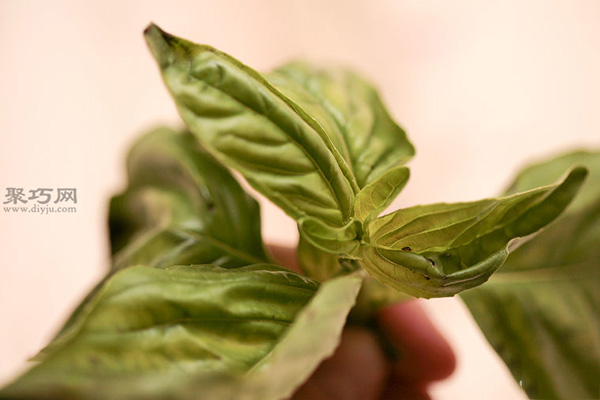
Choose the variety you want to grow
There are many varieties of basil, and each one has a different fragrance. Do some research and find one or several varieties you like to grow. You can buy the corresponding seeds from a flower shop. First, take a look at our recommendations:Cinnamon basil has a sweet fragrance and produces beautiful, intoxicatingly scented flowers.
Lemon basil contains citral. Citral is the aroma compound in citrus fruits, and lemon basil also smells strongly of lemon.
Purple basil is mostly grown for ornamental purposes, with a captivating fragrance and striking flowers.
There are also some basils that are perennials and will grow back the next year after withering. Examples include African blue basil (this basil has blue veining on its leaves) and Thai basil. But most basils are annuals, and you must plant a new batch every year.
Greek basil and bush basil are relatively difficult to grow, but they produce compact little clusters of leaves and are suitable for ornamental use and gardening.
Sow indoors
Sow indoors 4-6 weeks before the last frost. Basil likes warmth and sun, and sowing indoors is safer because it prevents basil from being damaged by frost.If you live in a relatively hot region, you can also sow outdoors.
If you do not know when the last frost is, you can check a perpetual calendar or ask local gardeners.
Prepare the sowing containers and soil
Fill square pots or individual containers with equal parts vermiculite, perlite and peat moss. Press the soil lightly to remove air pockets. Moisten the soil with water to prepare a suitable environment for the seeds to germinate.Sow the seeds
Bury one to two seeds in each container, then gently cover them with a layer of soil. Wrap the pots with plastic film to keep the soil moist. Place the pots under a sunny window, uncover the film twice a day, and sprinkle water onto the soil to keep it moist.Remove the plastic film after the seeds germinate
When you see the first tendril-like green sprouts emerge from the soil, it is time to remove the film. Water the young sprouts twice a day, and never let the soil dry out completely. When the plants grow to a few cm tall and the leaves gradually mature, you can move the basil into a larger container.DIY tips
If basil seedlings are thin, long and frail, that may be because they are not getting enough sunlight.
Basil can also be planted directly in the garden, so you do not need to raise them in advance. Therefore, you can choose fast-growing varieties, such as lemon basil, which is a good choice. But in fact, all basil grows quickly and is productive, so you do not need to start them early.
When sowing directly in the garden, make sure the soil surface is moist. But there are also some rules that oppose overwatering and say to keep the soil surface slightly dry. However, you must pay attention to how dry it gets. Seeds or seedlings without deep roots are very fragile, and once the soil dries out for a few hours, it can cause them great harm.
Water basil moderately, watering the plants twice a day with warm water until the basil grows up.
You can also grow basil intercropped with other plants. It is said that basil makes tomatoes and peppers taste richer and also prevents damage from worms and aphids.
Notes
When watering, do not wet the leaves. This does not apply if you are misting the leaves or applying foliar fertilizer - leaves can sometimes also be affected by pests.
Do not overlook the opportunity to grow basil. Basil has many unexpected varieties, so choose one that is most useful and most interesting for you to grow.
When moving basil from indoors to the garden, make sure you have gradually acclimated the basil to the outdoor environment, rather than suddenly moving it outdoors so that the basil cannot adapt to the change in environment.