How to Transplant Fuchsia to the Garden and Planting Steps
In almost any garden, fuchsia can add beauty and vitality to the garden. This plant has profuse blooms in colors including pink, red, purple, blue, orange, and white. This plant is usually grown from cuttings or previously planted seedlings rather than from seed.
How to transplant fuchsia into the garden is part of the series of tutorials on growing fuchsia; the tutorials also include getting started with planting, transplanting fuchsia into the garden, and daily care. If you want to learn how to transplant fuchsia into the garden, follow Juqiao.com and learn the steps for growing fuchsia.
How to transplant fuchsia into the garden
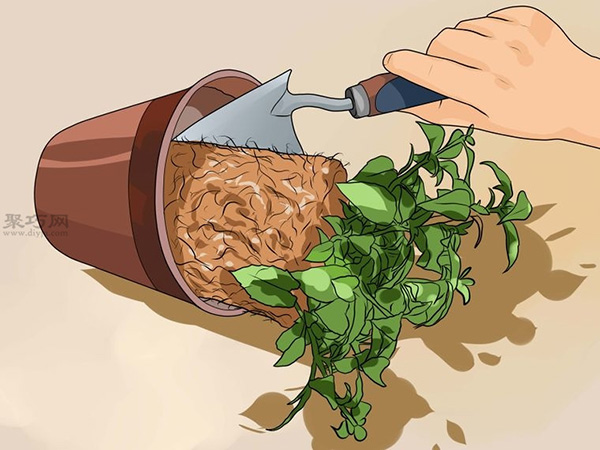
Transplant fuchsia when a firm root ball has formed
At this point, several stems should have formed, each with multiple layers of leaves. Gently pull the central stem at the base to determine whether it is firm. If it is firm, tilt the pot onto its side, slide a short trowel into the soil at the edge, and slide the pot to one side to expose the soil underneath. If you can see white, or even roots filling the entire pot, then the plant is ready to be transplanted into the garden. If not, then you should wait a few more days or weeks.Choose a location that receives full sunlight in the morning
An east-facing location will work well. Depending on the variety, you may need to choose a location with afternoon shade. Varieties with lighter flowers or double flowers tend to need more shade, while bright red, single flowers can tolerate a little more sunlight.Prepare the soil
Dig a hole that is 6 inches (15.24 cm) deeper than the fuchsia's current container and a little wider as well. In the hole, add compost and garden-grade fertilizer, both of which can be purchased at garden and farm supply stores. These elements will improve the quality of the soil. Fill 1/4 to 1/2 of the hole with these elements.Place the fuchsia into the hole
Slide it out of its current container and place it into the hole with its root end down. Into the gaps around the newly planted root ball, add more fertilizer and organic fertilizer.Materials you may need
Sharp knife
Small pot
Potting mix
Spray bottle
Garden hose
Garden trowel
Compost
Organic fertilizer
Fertilizer
Insecticide and fungicide, as needed
Mulch
DIY tips
If you have a mite problem in your garden, then you may consider choosing from a variety of mite-resistant fuchsias. Some of these varieties include "Coral Baby", "Fanfare", "First Success", and "Alba".
Precautions
Apply liquid insecticides and fungicides in the morning or evening. If you use these products when the sun is scorching, it may cause the sun to burn the leaves. You must also carefully follow the label directions of any insecticide to avoid incorrect dosage and harm to your plants.