Steps for Planting Moss in a Garden Lawn
Moss is a plant that reproduces by spores rather than seeds. The vast majority of them thrive in the world's temperate regions. Although most of them grow in soil, they can also take root and sprout on any hard surface, and they can often be seen on tree bark, rocks or other solid areas. Therefore, moss is an ideal decoration for adding lovely green to a garden, or using moss instead of grass to cover the ground is also very nice.
How to plant moss in a garden/lawn is part of the moss planting tutorial series, which also includes choosing your moss, planting your moss in a garden/lawn, and propagating moss. If you want to know how to plant moss in a garden/lawn, follow Juqiao.com to see the moss planting steps.
How to plant moss in a garden/lawn
Choose an ideal spot
Moss is not particularly picky, but when planting it is still best to choose a more ideal location. Most of them like water and indirect light (slight shade) the most. Using the ground beneath tall large trees and plants is especially good. If the only place available to you has very strong light, do not worry too much; your moss will still be able to grow very well.Moss helps your yard drain in areas that easily accumulate water during heavy rain. Planting it instead of grass can help the soil drain.
Moss has no root system, so it can easily grow on rocky soil that grass is not capable of covering.
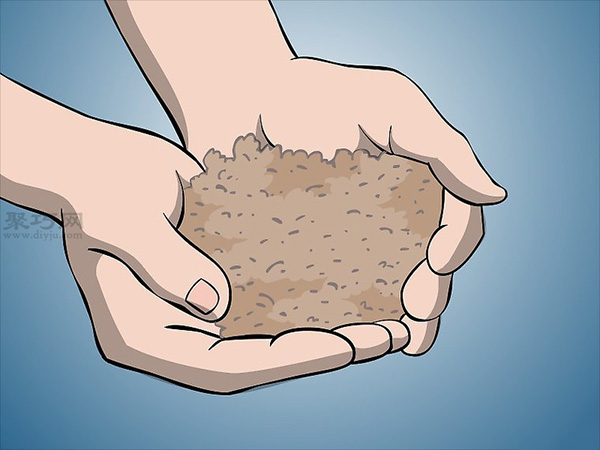
Prepare the planting location
If you are planting in soil, test the soil's pH value and make the necessary changes; moss likes acidic soil with a pH between 5 and 5.5. No matter where you plan to plant the moss, clear away other plants and weeds. If you are planting in soil or on a flat surface, make sure the surface is smooth and flat. Unlike grass, moss will reveal small patches and holes on the ground or area where it is planted.Plant the moss
Use a hose or sprinkler to thoroughly irrigate the area where you plan to plant moss. Then use your hands to press each selected piece of moss tightly onto that area. Press it into the soil or onto small pieces of rock to put it in place and keep it from moving away.Water the moss
Newly planted moss should be watered every day for 2 to 3 weeks. This will help it grow and stay in that position without moving. Using a sprinkler or hose with a very fine nozzle to create a spray is better than direct blasting with water, which may harm the plants.If over time the moss appears dark green or patchy, then it may be overwatered.
You can reduce the amount of watering after about a month, but you must keep the moss as moist as possible.
Materials you may need
Shovel
Putty knife
Blender
Water
Milk
DIY tips
Because moss gets nutrients from the air rather than the soil, it can easily sustain life without food and fertilizer. What is important is that the moss stays in a moist environment. After you plant or move your moss, make sure the landscape stays moist by watering lightly, or install an automatic watering machine. Adding such a feature to the area keeps humidity at a relatively high level.
When you lay the moss, try placing a board or other hard object on top of the moss to apply pressure. This can help the moss bond with the soil beneath.