How to Grow Fuchsias? A Detailed Planting and Care Tutorial
In almost any garden, fuchsias can add beauty and vitality to the garden. This plant has blooming flowers in colors including pink, red, purple, blue, orange, and white. This plant is usually grown from cuttings or previously planted seedlings rather than from seed.
How to care for fuchsias is part of a series of tutorials on growing fuchsias. The tutorials also include getting started with planting, transplanting fuchsias into the garden, and routine care. If you want to learn how to care for fuchsias, follow Juqiao.com to see the tutorial on growing fuchsias.
How to Care for Fuchsias
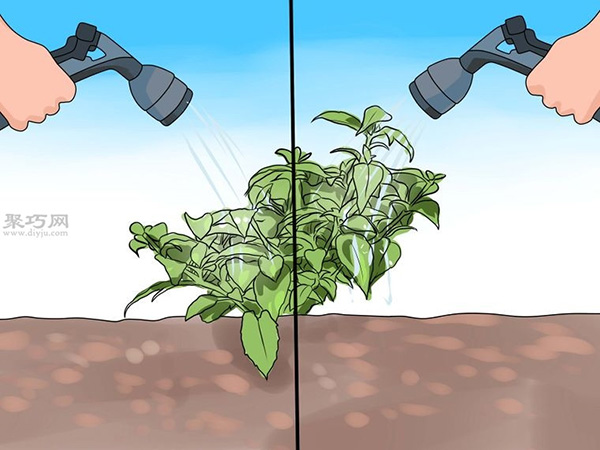
Keep the plant moist
During the spring and autumn months, normal rainfall usually provides more than enough water, but you may need to supplement water in summer, especially if you live in a dry climate area. The soil where the plant grows should never become dry, so you need to check it every day. However, do not overwater either. If fuchsias sit in water for a long time, it can cause root rot and leaf drop.Water in the evening or morning to keep the soil appropriately moist. Do not water during the hot midday.
Add fertilizer
For the first six weeks after being transplanted into the garden, the plant needs weekly fertilizing. In summer and early autumn, weekly fertilizing is also good. Fertilize after watering, using a soluble balanced fertilizer made with equal amounts of nitrogen, phosphorus, and potassium.Remove dead flowers and seed pods
As the flowers begin to wilt, you should pick them off the plant. When you notice seed pods beginning to grow, you should also pick off that flower. If the plant senses that it has already grown enough seeds, it will stop blooming for the season. To extend the flowering season, frequent pruning is necessary.Watch out for pests and diseases
These plants do not attract many pests, but they occasionally attract aphids. A simple insecticide can be used to eliminate aphids. Botrytis and rust are the two main diseases that attack fuchsias, but they can usually be avoided as long as the plant is not too moist. If the plant gets either disease, it can be treated with a fungicide.After the danger of frost has passed, do a more vigorous pruning
For those in the Northern Hemisphere, this is roughly from March 15 to April 1. Cut off the side branches at the edge of the container and cut off weak stems.In winter, put mulch over the plants
A little mulch can protect the soil from the cold. You only need a thin layer, enough to keep the soil warm enough to let the fuchsias go dormant.Materials you may need
Sharp knife
Small pot
Potting mix
Spray bottle
Garden hose
Garden trowel
Compost
Organic fertilizer
Fertilizer
Insecticides and fungicides, as needed
Mulch
DIY tips
If you have a mite problem in your garden, then you can consider choosing among various mite-resistant fuchsias. Some of these varieties include "Coral Baby", "Fanfare", "First Success", and "Alba".
Precautions
Apply liquid insecticides and fungicides in the morning or evening. If you use these products when the sun is scorching, it may cause the sun to burn the leaves. You must also carefully follow the label instructions of any insecticide to avoid using the wrong amount and harming your plants.