How to grow fuchsias? Teaching you the correct planting method
In almost any garden, fuchsias can add beauty and vitality to the garden. This plant has abundant blooms, with colors including pink, red, purple, blue, orange, and white. This plant is usually grown from cuttings or previously planted seedlings, rather than from seed.
How to grow fuchsias is part of the Growing Fuchsias series of tutorials, which also includes getting started with planting, transplanting fuchsias into the garden, and routine care. If you want to know how to grow fuchsias, follow along with Juqiao.com's method for growing fuchsias and learn.
How to grow fuchsias
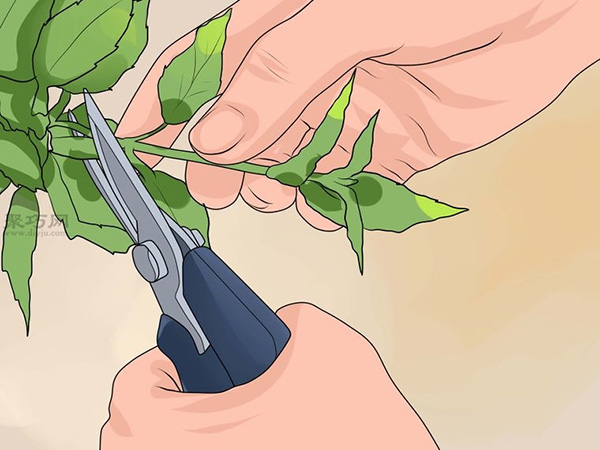
Take a cutting from a healthy fuchsia
Choose a stem that has at least two pairs of leaves below its growing tip. Cut the stem just above the leaves, at one third of the distance from the top. The cutting should be about 2 to 3 inches (5 to 7.6 cm) long.Trim off the excess leaves
Use a sharp knife to remove the excess leaves growing from the leaf nodes, as well as the stem below the leaf nodes.Soak the cutting in rooting hormone
Add the hormone powder to the cut surface of the stem by quickly dipping the bottom into the powder. Rooting hormone promotes root growth.Fill small pots with the potting mix
A well-draining and nutrient-rich mix, such as a compost plus vermiculite mix, works well. For one cutting, use a 2.25-inch (7.5 cm) small pot, or use one 3-inch (7.6 cm) small pot for three to four cuttings together.Place the cuttings in indirect sunlight
Cuttings need plenty of light to thrive, but direct sunlight does more harm than good. A good place to put them is under a sunny window with a sheer curtain.Keep the soil moist
Use a spray bottle, and use enough water to keep the surface of the growing medium moist, but do not soak it. If the plant is soaked in water, the stem may rot.As they grow, transplant the fuchsias into a larger pot
Once the plant has grown several stems, its roots should be strong enough to transplant. Carefully pry the plant - stems, roots, and soil - out of its current container. Transfer each plant separately into individual pots, at least 3.5 inches (9 cm). Make sure the pots are already filled with the same growing medium.Note that, besides planting fuchsia cuttings in small pots and later transplanting them into a larger pot as an "intermediate stage," you can also plant the cuttings directly into the intermediate-stage pot. However, you will need to pay closer attention to proper lighting and watering conditions to ensure the cuttings take root.
Continue to keep the soil moist, and provide the same type of sunlight as you provided in the starting stage.
Materials you may need
Sharp knife
Small pot
Potting mix
Spray bottle
Garden hose
Garden trowel
Compost
Organic fertilizer
Fertilizer
Insecticides and fungicides, as needed
Mulch
DIY tips
If you have a mite problem in your garden, then you may consider choosing from a variety of mite-resistant fuchsias. Some of these varieties include "Coral Baby," "Fanfare," "First Success," and "Alba."
Precautions
Apply liquid insecticides and fungicides in the morning or evening. If you use these products when the sun is intense, it may cause the sun to scorch the leaves. You must also carefully follow the label directions of any insecticide to avoid using the wrong amount and harming your plants.