Asparagus Fern Care Guide and Precautions, with Illustrated Rescue Methods for Yellowing Leaves
In daily life, to keep indoor air fresher, many people choose to place green plants in their homes, which is not only beautiful but also helps purify the air. Asparagus fern (Asparagus setaceus), with its graceful form, elegant and distinctive appearance, and relatively small size, is well suited for growing as a potted plant at home, making it very popular!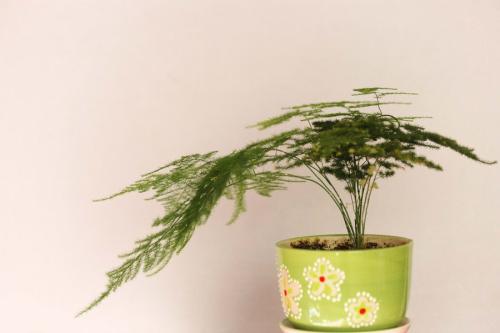
Asparagus fern is a highly ornamental plant that can be placed in the living room, study, and other areas of the home for a very elegant look. Its cultivation method is simple. In terms of propagation, asparagus fern can be propagated by division and by seed.
1. Propagation of Asparagus Fern
a. Division propagation
Unlike pothos, asparagus fern cannot be propagated by simply snapping off a section of stem; it must be propagated by division. This comes down to the characteristics of asparagus fern: it has a strong clumping habit, and after 4 years or more, new tiller shoots will emerge at the root crown, causing the plant to continually grow larger.
b. Seed propagation
This is the main method of propagating asparagus fern. The seeds are mature when the fruit skin turns black and soft; rub off the fruit skin, rinse clean, and dry before sowing.
2. Temperature environment
Asparagus fern is not very sensitive to temperature; generally, 10 degrees or above is sufficient. Below 5 degrees, cold damage can occur. Between 15 degrees and 25 degrees is most suitable for its growth. When the temperature reaches above 32 degrees, asparagus fern will stop growing. When winter weather is too cold, a layer of plastic film can be wrapped around the outside of the pot to help keep it warm.
In addition, the higher the air humidity, the better. In hot weather, frequently sprinkle water on the ground around the plant and on the leaves to increase air humidity.
3. Soil requirements
Asparagus fern has relatively high requirements for drainage. It is best to choose loose, well-draining soil such as humus soil rich in organic matter or peat soil. A little base fertilizer can be added to the soil to benefit the plant's growth.
Generally, a mix of 4 parts garden soil, 2 parts leaf mold, 2 parts compost soil, and 1 part sand can be used, and the soil should be changed and fertilized regularly. If over-fertilization causes "root burn," the pot should be turned out to remove the fertilizer, and the root ball should be rinsed with clean water, then replanted in fresh soil.
4. Light
Asparagus fern prefers a semi-shaded environment and is best placed indoors with diffused light. Except in winter, it should not be placed in direct sunlight during the other seasons, especially in summer, as the strong sunlight can scorch the branches and leaves. Generally speaking, in spring, summer, and autumn, if it is to be placed in sunlight, 60 percent shading should be provided.
At the same time, during the flowering period, asparagus fern is sensitive to both wind and rain, so good ventilation should be ensured. In good weather, it can be appropriately placed outdoors to receive sunlight. In winter, the temperature for potted asparagus fern should be kept above 5°C to avoid freezing.
5. Watering
Asparagus fern has fleshy roots, so watering must be done with care. Each watering should soak through; do not water only halfway, as the roots and stems may fail to absorb water and die. The amount of water should not be too much or too little and should be reasonably controlled. When the potting soil is slightly dry, water promptly. Follow the principle of "water thoroughly when dry." In hot, dry weather, misting the leaf surface can be used to increase humidity and lower temperature; in winter, water less.
6. Placement
Asparagus fern loves a clean environment with good air circulation. If irritated by harmful gases such as smoke, coal gas, or pesticides, the leaves will turn yellow, curl, and even die. Therefore, asparagus fern should be placed in a clean, well-ventilated environment, away from decorative materials such as marble that release mercury vapor.
Precautions for Growing Asparagus Fern
1. In northern winters, asparagus fern cannot be grown outdoors; it should be moved indoors promptly to provide a warm growing environment.
2. Asparagus fern should not be watered too frequently; moisture can be maintained by misting the leaves. In summer, mist once or twice a day; in winter, misting once every 3-4 days is sufficient.
3. Do not water directly with tap water. It should be left to stand for 1-2 days in advance to release chlorine and other substances, ensuring the water temperature is not too cold.
4. In spring and autumn, apply a dilute fertilizer once a week; a compound flower fertilizer is best. Do not apply raw fertilizer; if using household fertilizer, it can be used after full fermentation.
5. Asparagus fern dislikes smoke and dust. If a coal stove is used for heating in winter, proper ventilation must be ensured.
6. Asparagus fern should be pruned promptly. Overly dense branches can affect ventilation and reduce ornamental value. If there are too many rhizome shoots, they should also be divided into separate pots promptly.
What to Do When Asparagus Fern Leaves Turn Yellow
If the cultivation method is incorrect, yellowing leaves are likely to occur during the process of growing asparagus fern, affecting not only the ornamental effect but also the plant's growth. When leaves turn yellow, identify the cause based on the yellowing situation and carry out timely rescue measures.
1. Yellowing leaves caused by improper watering
This is the most common cause of yellowing leaves in asparagus fern. Asparagus fern is a moisture-loving plant. If watered too much, it becomes waterlogged, causing root rot and yellowing leaves, and the yellowing area is relatively large. If watered too little, yellowing starts from the leaf tips.
Rescue method: If overwatering occurs, stop watering temporarily and instead only mist the leaves to keep the asparagus fern moist. The standard is to water when dry, water thoroughly, but do not allow water to accumulate.
2. Yellowing leaves caused by unsuitable temperature
Asparagus fern has a suitable temperature range for growth, generally 12-18°C is most suitable. Especially in northern winters, it should be placed in a sunny position, because prolonged exposure to a low room-temperature environment causes cold damage to asparagus fern, leading to slow metabolism.
Rescue method: In winter, the temperature for growing asparagus fern should generally not be lower than 12°C, and it should be placed in a location with good light; watering can be appropriately reduced. If the temperature cannot meet the requirement, a simple insulation frame can be made with plastic film to help the asparagus fern get through the winter.
3. Yellowing leaves caused by fertilizer problems
This is relatively easy to judge — think about whether fertilizer has been applied to the asparagus fern recently. If too much or too little fertilizer is applied, it will cause some discomfort to the plant. If too much fertilizer is applied, it will cause fertilizer burn. If too little fertilizer is applied, it will lead to insufficient nutrients later, also causing yellowing leaves.
Rescue method: If too much fertilizer was applied, it is recommended to repot immediately and transplant the asparagus fern into a new environment. Or water immediately, then move the plant to a bright, well-ventilated location. If fertilizer is insufficient, it is recommended to appropriately increase chemical fertilizer to provide the nutrients asparagus fern needs.
4. Yellowing leaves caused by light problems
Asparagus fern prefers a semi-shaded environment. Strong light exposure will irritate the leaf cells, damaging the chloroplasts and causing yellowing.
Rescue method: Move the pot to a shady place and mist the branches and leaves more often to increase humidity. Water evaporation will carry away a certain amount of heat, which can cool down the asparagus fern.
5. Yellowing leaves caused by pests and diseases
If all the above situations have been ruled out, the cause of yellowing leaves in asparagus fern may be pests and diseases. Scale insects are the most common pest in asparagus fern cultivation. After scale insects appear, if left untreated, they will absorb all of the asparagus fern's nutrients, also causing leaves to turn yellow.
Rescue method:
When scale insects are found, they should be wiped off promptly with a wet cloth strip. In severe cases, purchase treatment products from a plant store and repot with fresh soil promptly. When changing the potting soil, old and residual roots can be trimmed off to reduce nutrient consumption.