What causes root rot in Camellia sasanqua? Getting watering, fertilizing and potting soil right is key
In my opinion, the greatest value of Camellia sasanqua lies in filling the gap in the flowering season. In the cold depths of winter, nature takes its rest. Herbaceous flowering plants have long since hidden themselves away in the embrace of Mother Earth, waiting for the coming spring. Shrubs and trees stand either bare-branched or as green as ever, and at a glance they seem to hold no interest at all. It is Camellia sasanqua that blooms boldly in the cold of winter, in deep reds and pale pinks, bringing a touch of vitality to the monotonous winter days. Many flower lovers like to use Camellia sasanqua to decorate their homes, but a single careless moment can cause them to kill the plant with too much care. So in this issue, Flowers and Plants Joy brings you: what causes root rot in Camellia sasanqua?
What causes root rot in Camellia sasanqua? Getting watering, fertilizing and potting soil right is key
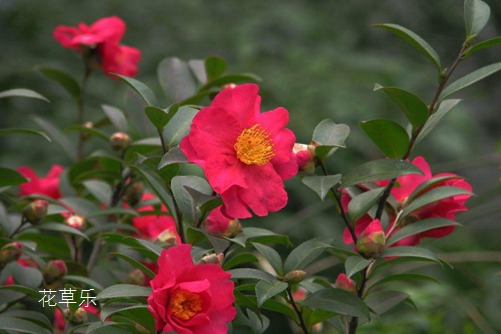
What causes root rot in Camellia sasanqua
1. Causes of root rot in Camellia sasanqua——too much watering
Most cases of root rot in Camellia sasanqua are caused by too much watering. Camellia sasanqua needs a great deal of water during vigorous growth, but there must be limits, so it is best to water according to how dry or moist the potting soil is. Basically, water when the surface of the potting soil becomes dry, and do not overwater, or the roots will rot. In addition, if you water Camellia sasanqua in winter, the water temperature must not be too low.
2. Causes of root rot in Camellia sasanqua——fertilizer too concentrated
Fertilizer that is too concentrated can also cause root rot in Camellia sasanqua. Camellia sasanqua prefers light fertilizing, and there are 3 growth stages. In March and April, nitrogen fertilizer is the main choice, which can promote good growth of the spring shoots. In May and June, phosphorus fertilizer is the main choice, which can make the flowers brilliant in color. In September and October, a compound fertilizer of nitrogen, phosphorus and potassium is best. Winter is the dormant period for Camellia sasanqua, and fertilizing should generally be stopped. Besides ensuring that Camellia sasanqua has sufficient nutrients, you also need to keep to the right limits, to prevent the fertilizer from being too concentrated and burning or rotting the roots.
3. Causes of root rot in Camellia sasanqua——improper potting soil
Improper choice of potting soil can also easily cause root rot in Camellia sasanqua. Soil and repotting are the main factors behind root rot.
1. Soil: Camellia sasanqua likes acidic soil, so when choosing potting soil, do not choose one that is highly alkaline. In addition, the soil needs to be loose and breathable, rich in humus. Mountain soil is fairly suitable, and a certain amount of pine needles or river sand can be added, which benefits the growth of the Camellia sasanqua roots and reduces the occurrence of root rot.
2. Flower pot: Generally, when planting Camellia sasanqua, an unglazed clay pot is best, followed by a purple clay pot; a porcelain pot is fairly unsuitable. As for size, it is enough to ensure that the Camellia sasanqua plant can grow well and that the root system has room to spread.