Grow these four plants on your balcony to clear heat, moisten the lungs, fight viruses, and even save on medicine costs
Many people grow a few flowers and plants on their balcony at home, bringing a lot of joy to life and creating an environment for relaxation. Below, the Huacaole editor introduces four pots of plants: perilla, honeysuckle, rosemary, and mint. They are both ornamental and easy to grow, and most importantly, they also have excellent medicinal benefits and effects.
I. Perilla
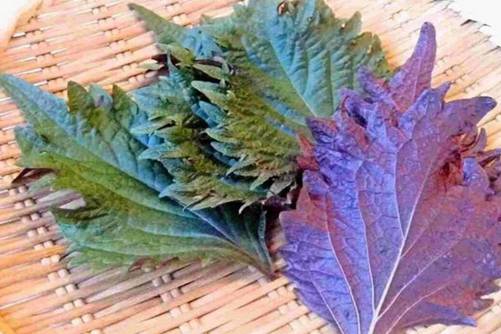
1. Benefits and effects of perilla
Perilla can be used in cooking for flavoring, and can also be used to treat illness. Steeped in water, it helps prevent colds, moistens dryness, disperses cold, and dispels wind, and helps treat wind-cold colds and cough from lung dryness.
2. Growing perilla
Perilla is a herbaceous plant with a fresh fragrance. It can be sown in spring, summer, and autumn. Bury the seeds in moist potting soil and cover with a plastic bag; they sprout in about three days. Water every 2-3 days, and in less than 1 month you can pick the leaves to eat.
3. Ways to eat perilla leaves
1) When eating seafood, use perilla for flavoring. Not only does it add deliciousness, it also helps reduce the cold nature of seafood.
2) For chest tightness, vomiting, and stomach discomfort, use it together with ageratum to relieve chest tightness and regulate qi.
3) Boil perilla, dried tangerine peel, and ginger together and drink the decoction to disperse wind-cold, for wind-cold colds and similar conditions.
4) Wrap fish, meat, and other foods in fresh perilla leaves and hang them in a ventilated spot indoors; at room temperature they can be kept for 4-5 days without spoiling.
II. Mint
1. Benefits and effects of mint
Mint is cool in nature and has effects such as soothing the throat and promoting rash eruption, dispelling wind and dissipating heat, relieving pain, and stopping itching. Both the stems and leaves release a fresh fragrance. It can be used to purify the air.
2. Growing mint
Mint needs frequent watering to keep the soil moist. Second, it needs fertilizing; it is recommended to fertilize mint about once a month on average. Mint likes bright light but not direct sunlight for its care. Mint grows extremely fast, and can be picked and eaten at any time
3. Ways to eat mint
1) Eaten raw: wash the tender shoots and serve with a dipping sauce made from a dish of oil, salt, monosodium glutamate, and chili mixed with boiling water. The texture is crisp, and the flavor is fragrant and cooling.
2) Make mint porridge: after the porridge is cooked, add mint infusion and a little rock sugar, bring to a boil, and it is ready to eat. It boosts appetite and helps digestion.
3) Add mint leaves to cold dressed dishes for a fresh, refreshing taste.
4) Passion fruit mint tea: put passion fruit pulp and mint leaves cut into shreds into a cup, pour in water at about 60 degrees, and add a little honey. The taste is delicious and fresh.
III. Rosemary
1. Benefits of rosemary
Rosemary has effects such as calming the nerves and soothing the mind, refreshing the brain, conditioning oily skin, promoting blood circulation, and stimulating hair regrowth.
2. Growing rosemary
Rosemary likes warm climates and is drought-tolerant. Grow it in sandy soil with good drainage, add slow-release fertilizer when planting, and it grows well in a sunny environment. It is generally propagated by cuttings in early spring, and roots in about 3-4 weeks. It can usually be harvested 3-4 times a year.
3. Ways to eat rosemary
Rosemary is mostly used in barbecue, Western dishes, and pastries to add fragrance, such as rosemary roast beef, rosemary lamb chops, rosemary salt-baked crab, rosemary roast salmon, and so on. A little rosemary can also be added to stewed soup, and it will also add more flavor. Besides eating, rosemary can also be used for beauty and antioxidation, and the essential oil extracted from it can also help with sleep.
IV. Honeysuckle
1. Benefits of honeysuckle
Honeysuckle clears heat and detoxifies; it clears heat without harming the stomach, and its fragrant aroma also dispels pathogenic factors. It has significant effects on conditions such as body heat, rash, spots, heat-toxin sores and carbuncles, and sore, swollen throat.
2. Growing honeysuckle
Honeysuckle is also called Japanese honeysuckle. It blooms in March, is tolerant of drought and waterlogging, and is strongly cold-resistant. It likes sun and tolerates shade, and grows in fertile, moist, deep sandy soil. During the growing season, apply diluted cake fertilizer about once every two weeks, and you can also mix in potassium fertilizer and phosphorus fertilizer to promote flowering. In winter, honeysuckle enters dormancy and fertilizing should stop.
3. Ways to eat honeysuckle
1) Honeysuckle tea: take an appropriate amount of honeysuckle, brew it with boiling water at about 90 degrees Celsius, then cover with a lid. After three minutes, you can open the lid and drink it. Honeysuckle is cold in nature, so one cup a day is enough; excessive amounts can easily cause stomach and intestinal discomfort. Women during menstruation or people with cold hands and feet should use it with caution.
2) Honeysuckle goji berry tea. Put an appropriate amount of honeysuckle and goji berries in a pot, add enough water, and boil over high heat; turn to low heat and continue boiling for 20 minutes, add goji berries and rock sugar, and boil for another 10 minutes before drinking. It has effects such as beautifying the skin, clearing heat and detoxifying, and relieving restlessness and moistening dryness.
3) Honeysuckle dried tangerine peel tea. Put an appropriate amount of honeysuckle, jasmine flowers, dried tangerine peel, and a small amount of licorice into a cup, add boiling water, cover with a lid, and steep for 20 minutes before drinking. It has effects such as strengthening the spleen and nourishing the stomach, clearing heat and reducing internal heat, and beautifying the skin.