Camellia Growing Methods and Solutions for Bud Drop and Scorched Flowers
It is camellia blooming season again. Camellia is a traditional ornamental flower in China. With large, brightly colored blooms and a long flowering period, its delicate beauty is loved by many people. But during care, it often happens that camellia buds drop before they fully open. What causes this, and how should it be solved? Below, the Huacaole editor shares an analysis of the causes of camellia "bud drop" and "scorched flowers."
Camellia growing methods: how to prevent camellia "bud drop" and "scorched flowers"
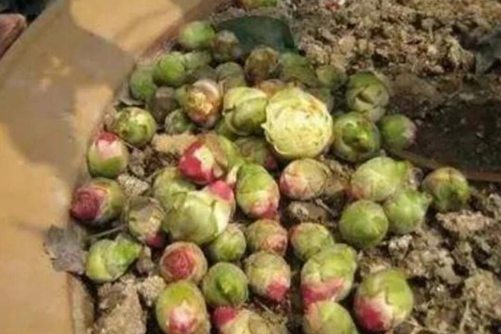
1. Variety issues
Camellias are divided into three strain types: single, semi-double, and double. Among them, the double variety's flowers can only open halfway; buds that seem to be opening but have not yet opened are the most beautiful state of double camellias.
2. Newly bought flowers from a flower market or online
Because the growing environment and temperature have changed, the camellia suffers physiological incompatibility and drops its buds. Also, many flowers in flower markets are forced. If a newly bought camellia has densely packed buds, you can thin the buds appropriately, cutting off the overly dense ones or poorly growing ones and leaving only a small portion, so there is sufficient nutrient supply and the flowers will actually bloom better. Similarly, when growing camellias at home, it is not recommended to move their placement position; the temperatures of the bedroom, living room, and balcony differ, and the light and ventilation requirements for camellia blooming also differ, which can also cause camellias to stall and drop flowers.
3. Improper fertilizing
Camellias like heavy feeding; only with sufficient fertilizer can they bloom fully. The best fertilizing time is during the peak growing seasons of spring and summer. Combined with watering, apply light fertilizer frequently, and use rotted cake fertilizer best. By early winter, when the flower buds swell and have already colored, fertilizing should be stopped.
4. Thin the buds appropriately
In autumn, camellia branches will sprout many flower buds. When the buds grow to the size of a pea, you need to be ruthless and remove most of the buds. Remove fewer from single-petaled flowers. For double flowers such as Wuse Chidan, Gypsy Girl, and Valentine's Day, keep one bud on branches with five or more leaves, and remove all buds on branches with fewer than five leaves. The best is one bud per branch; on heavy branches, remove all buds on weak side branches.
5. Suitable temperature
When the temperature exceeds 30°C, camellias stop growing and enter dormancy. When the air is too dry, mist the surroundings from time to time to increase humidity. The suitable flowering temperature is around 10°C. If grown in a pot, consider moving it in winter to a balcony where it can get sun.
6. Moderate watering
During the camellia flowering period, water should be controlled. The watering principle is: do not water if not dry, and water thoroughly when you do. Watering too much causes poor root respiration and reduced water absorption, which is also one reason camellias fail to open, develop dry edges, and drop buds. In winter, the water temperature should ideally be close to the camellia's temperature; too great a difference will shock the camellia and cause problems such as bud drop and stalled flowers. Watering too much causes poor root respiration and reduced water absorption, which is also one reason camellias fail to open, develop dry edges, and drop buds.
7. Appropriate light
Although camellias like semi-shade, without light they cannot synthesize the nutrients needed for growth, and the flowers will not bloom well. When growing camellias, they also need a ventilated environment. If the interior of the plant is too dense, the inner branches need to be opened up and pruned.