What to Do If Osmanthus Doesn't Bloom? Do These 5 Things Well, and the Flowers Will Bloom Profusely, with Fragrance Spreading for Miles
When osmanthus blooms, its fragrance spreads for miles. In our daily life, osmanthus can be made into all kinds of foods, so it is fair to say it is very close to our lives. But what should we do if an osmanthus tree does not bloom? Now let the editor introduce it to you!
What to do if osmanthus doesn't bloom?
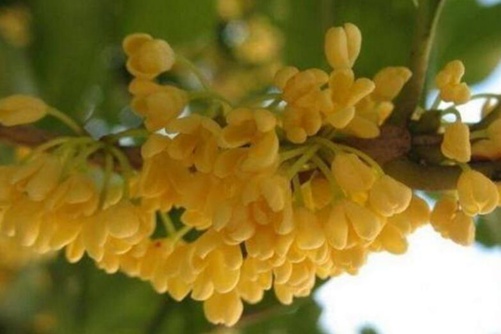
1. If you want osmanthus to bloom profusely and spread fragrance for miles, it is best to bring it indoors for winter dormancy, with the temperature ideally controlled at 2°C—4°C. When the phenomenon of osmanthus not blooming occurs during cultivation, the first reason is that it was moved indoors too early for cultivation. Being moved indoors too early prevents the osmanthus from getting enough sunlight to enter dormancy, so its budding is advanced, consuming a large amount of the osmanthus's nutrients and thereby affecting its full bloom. Besides moving it indoors too early, there is also moving it outdoors too early. If moved outdoors too early, the osmanthus is susceptible to wind and sun; even if it sprouts, it will not easily bloom, so moving it outdoors is generally done on a cloudy day and should not be done under the scorching sun. When caring for osmanthus indoors, note that if the temperature is higher than 8°C, the osmanthus will not get sufficient dormancy; it will bud and unfold leaves early, consuming a large amount of nutrients, which will affect it by making it bloom less or not bloom at all.
2. Osmanthus greatly loves fertilizer. Repotting and changing the soil will lead to insufficient nutrition and affect the blooming of osmanthus, so osmanthus should not be repotted too frequently. During its growth process, osmanthus needs sufficient sunlight. If the light is insufficient, it will affect the formation of flower buds and thus blooming, so be sure to provide it with sufficient light conditions.
3. Osmanthus likes moisture and fears waterlogging. During the growing season, water it thoroughly when the soil is dry. Before blooming in autumn, water should be withheld; too much water easily causes flower buds to drop. During winter dormancy, water about once every 20 days. When watering during the growing season, diluted ferrous sulfate water can be added to increase soil acidity. This is the main reason osmanthus does not bloom.
4. Potted osmanthus has particular requirements for soil quality. It prefers slightly acidic sandy soil. If it is too acidic, growth will be slow and leaves will turn yellow and wither; if it is on the alkaline side, the leaves easily wither and will not grow large. When the acidity is too high, plant ash can be mixed into the potting soil; when the alkalinity is too great, a small amount of ferrous sulfate or decomposed humus fertilizer, etc., can be added.
5. Whether osmanthus blooms is also related to routine pruning. If osmanthus is not pruned, it easily causes an imbalance in nutrient supply, so for vigorously growing osmanthus, cut off dead branches, inner canopy branches, leggy branches, and overly dense branches. If tillering shoots are found at the base, pinch them off to avoid dispersing nutrients.
Summary
All right, the above is what the editor introduced to you about the problems and solutions for osmanthus not blooming. If it is helpful to you, save it quickly! If the above 5 aspects of osmanthus cultivation are done well, it will certainly bloom profusely and spread fragrance for miles.