The correct methods for watering and fertilizing stump bonsai
Stump bonsai are trees grown in pots; because the potting soil is limited, it dries out very easily. If water is not replenished in time, the tree will die from lack of water. But overwatering is also bad, as it causes leggy growth; if the potting soil stays wet for a long time, the roots cannot breathe well and are prone to rot and death. People say, "Those who know how to grow flowers let them die of drought; those who don't know how to grow flowers water them to death." So watering is one of the main management tasks for tree bonsai. Bonsai must be watered in the right amount, following the principle of "don't water until dry, and when you water, water thoroughly."
How to water and fertilize stump bonsai
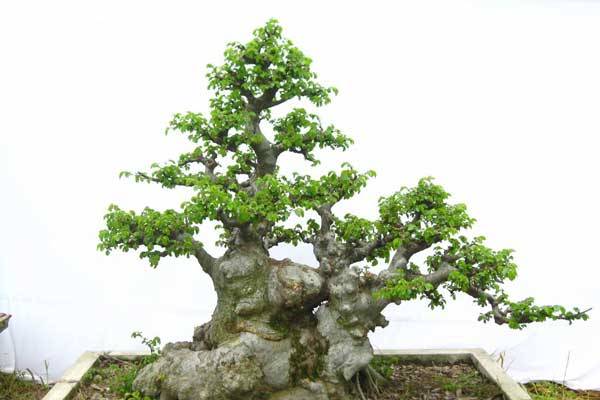
For stump bonsai, watering must also take into account the tree species, season, soil texture and so on. For example, water-loving species should be watered more; during high temperatures, water once in the morning and once in the evening, while in winter water once every few days; sandy soil needs more frequent watering than clay soil. The wetness or dryness of the potting soil can be judged by the growth of the leaves - wilted leaves definitely mean a lack of water - by the sound when tapping the pot, and by the color of the potting soil surface and whether it has cracked.
The nutrients in potting soil are limited. To supply the essential nutrients for the growth of bonsai trees, care should be taken to add appropriate fertilizer. Generally, tree bonsai grow slowly and do not need much fertilizer; otherwise it will cause leggy growth and ruin the beauty of the tree's form.
When fertilizing, follow the principles of proper timing, proper type and proper amount. For example, foliage plants are better given more nitrogen fertilizer, while flowering and fruiting species are better given more phosphorus fertilizer. Fertilize during the growing seasons of spring, summer and autumn, and stop fertilizing during the winter dormant period; for trees that have just been potted, the new roots have not yet grown, so do not fertilize. Liquid fertilizer must not be too concentrated; it must be diluted before use, otherwise it will cause fertilizer burn. Organic fertilizer and cake fertilizer must be fully decomposed before use, otherwise they will ferment in the potting soil and generate high temperatures that burn and kill the roots. Liquid fertilizer used as a top dressing should not be sprinkled on the leaves. When is the best time to fertilize? Fertilizing on sunny days is good; do not fertilize on rainy days or during the plum rain season.