How to care for a Peace Lily tree? Introduction to Peace Lily tree cultivation methods
The Peace Lily tree carries an auspicious meaning, symbolizing peace and wishes fulfilled, and a happy life. At the same time, the Peace Lily tree can give off a fragrance that corrects odors and purifies the air, making it deeply loved by many households and companies. But many people who grow a Peace Lily tree find that after a period of time its leaves wither and it slowly dries up, with leaves turning yellow. So there are many techniques involved in the cultivation methods and precautions for the Peace Lily tree. Below, Huacaole shares with you the cultivation methods for the Peace Lily tree:
I. Introduction to Peace Lily tree cultivation methods
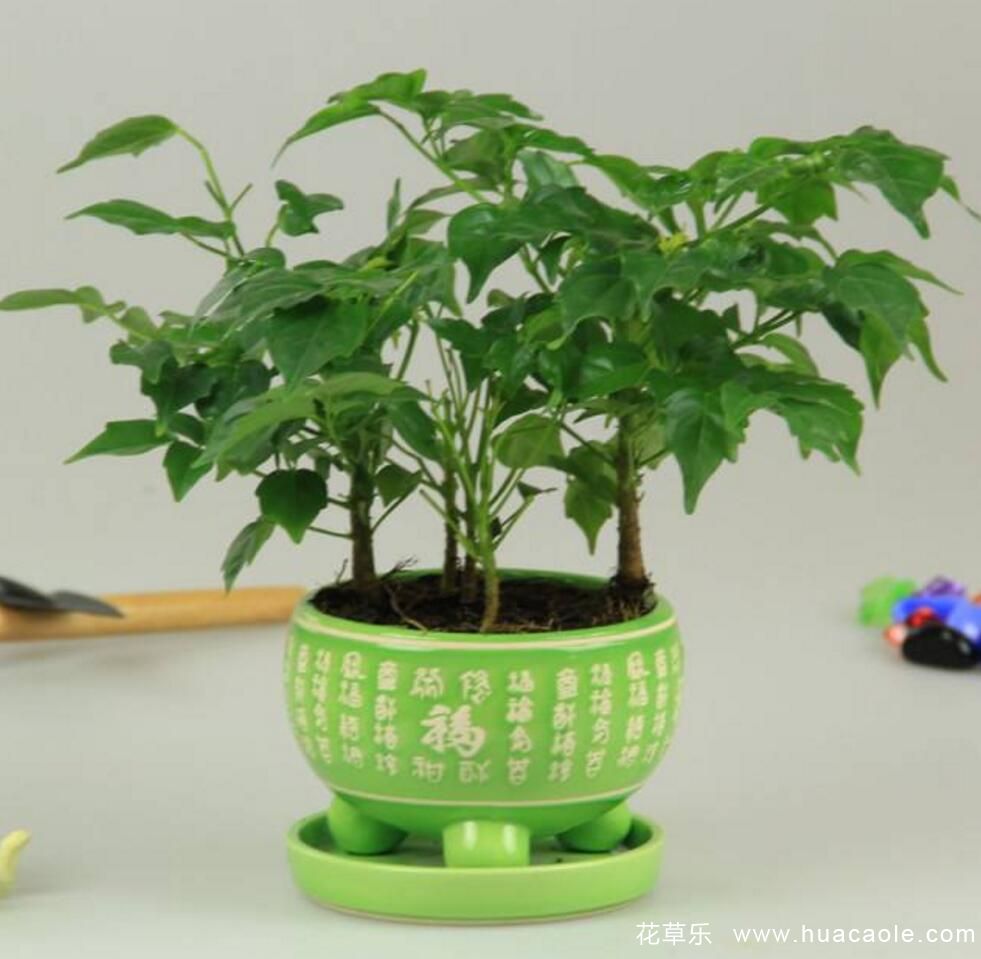
The Peace Lily tree likes light and tolerates shade, prefers warm and hot conditions, and does not tolerate drought, waterlogging, severe cold or dry air. It is commonly grown in loose, fertile, well-drained acidic sandy loam rich in organic matter. As long as it is loose and fertile, well-drained and slightly acidic, that is enough. Generally no watering is needed; mist the leaves once every 2 to 3 days, and water thoroughly about once a week. Especially after the start of autumn, water even less and mist more. Waterlogging will cause leaves to drop and the plant to turn yellow and wither, and in severe cases will rot the roots. Below is a detailed introduction to how to grow the Peace Lily tree:
1. Spring management
For potted Peace Lily trees, it is best to move them outdoors around Qingming Festival in spring. Since temperatures fluctuate repeatedly around Qingming, you need to watch out for damage to the plant caused by a late cold snap. In spring, besides requiring fertile potting soil and sufficient base fertilizer, potted Peace Lily trees can be given a top dressing of dilute liquid fertilizer or compound fertilizer once a month from mid-spring to early autumn. Anthracnose and brown spot disease are common in spring; a 1% equal-amount Bordeaux mixture can be used for prevention, and a small number of diseased leaves can be promptly removed and burned.
2. Summer management
Summer has high temperatures and strong light, so potted Peace Lily trees need to be grown under shade. If the light is too strong, the leaves easily turn yellow. When the temperature exceeds 32°C, you should also frequently spray water on the leaf surface and around the plant to increase humidity and lower the temperature, so that it can maintain vigorous growth. Apply a top dressing of dilute liquid fertilizer or compound fertilizer once a month. Leaf-rolling caterpillars are common in summer and can be killed by spraying pyrethrins.
3. Autumn management
After the start of autumn, temperatures gradually drop, so potted Peace Lily trees should have their watering controlled, gradually reducing the amount of water, and the leaf surface and surroundings should be misted frequently to increase humidity. After rain, tip the pot promptly to drain water, avoiding waterlogging in the potting soil, which causes leaves to turn yellow and drop, or even root rot and death. Before the autumn temperature drops, apply 2 consecutive top dressings of a 0.2% to 0.3% potassium dihydrogen phosphate solution to increase the plant's cold resistance, promote early lignification of young shoots, and ensure it survives the winter safely.
4. Winter management
The Peace Lily tree is not cold-tolerant, so it is best to move it indoors. The overwintering temperature should not be lower than 5°C. If plants kept or grown outdoors encounter more than 5 days of frost, the bark is very likely to crack from freezing, the branches and leaves to wither, or even the whole plant to freeze to death. Larger plants can tolerate short periods of low temperatures around 0°C. In winter, watering should be controlled, keeping the soil on the dry side, and all forms of top dressing should be stopped to prevent fertilizer burn damaging the roots, which causes leaves to yellow or scorch and drop, making it very hard for the plant to regain its original appearance.
6. Pest and disease control
Aphids easily appear on the young leaves and new buds of the Peace Lily tree. After scattering plant ash on the plant, rinse it clean with water; spraying chinaberry leaf juice can effectively kill the insects; use a 10% imidacloprid wettable powder at 2000 times dilution for spraying.
II. Precautions in Peace Lily tree cultivation
1. During cultivation of the Peace Lily tree, if the branches and leaves are too dense, you need to regularly clean up and remove leaves and prune away branches to keep it airy and well ventilated.
2. The Peace Lily tree can be pruned in all four seasons, but spring or autumn is the period of vigorous growth for the Peace Lily tree; if pruned at this time, it easily sends out new branches. In spring, prune when the temperature is 20°C, cutting some branches short to increase the number of branches, but note that when pruning, the distance from the cut to the bud eye at the node should be larger, otherwise it will lose water and cause the branch to wither. Also, the cut must be smooth and must not be torn.
3. The main factor causing blackened leaves on the Peace Lily tree is damage from pests and diseases. Among these, brown spot disease is the most important disease. This disease generally occurs when indoor ventilation is poor, or when it is stuffy and highly humid, or when there is insufficient light. At first the leaves develop some brown spots, which then keep expanding, and many small black dots also appear on the leaves, so the leaves slowly turn black and in severe cases drop off. April to May each year is when the disease is at its worst.