How to Make a Pomegranate Bonsai and Care Tips
Pomegranate bonsai is valued for its trunk and branches, foliage, flowers and fruit, giving it high ornamental value. Because the pomegranate is highly adaptable and easy to cultivate, it is often grown as a bonsai.
How do you care for a pomegranate bonsai? How do you make one?
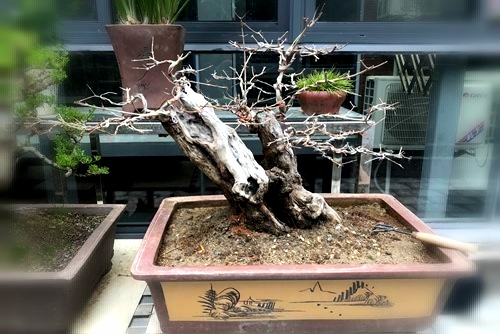
The bonsai should be placed on a sunny balcony, and the longer the sunlight hours, the better. With insufficient light, the branches tend to grow leggy and thin, the leaves are pale, few and thin, the plant is prone to aphids and scale insects, easily infected with sooty mold, and the plant blooms without setting fruit, with fewer and smaller flowers.
During the growing season, the pomegranate must receive sufficient light. In winter it can be placed on a wind-sheltered, sunny balcony or windowsill to overwinter. If it must be moved indoors for viewing during the flowering and fruiting period, it can only be kept there for 2-3 days. Being kept indoors for a long time will cause flowers and fruit to drop.
Bonsai shaping relies mostly on pruning. In early spring, when the buds begin to swell and the plant is repotted with fresh soil, carry out one pruning to thin out the branches, keeping 3-5 strong, well-developed branches on the main trunk, cutting them short and leaving 2-3 axillary buds. The axillary buds sprout in spring, grow into spring shoots, and form flowering and fruiting branches. Spring shoots that bear flowers and fruit must not be pruned, because only the current year's growth of the pomegranate can flower, and the tips are especially likely to flower. After the pomegranate blooms, thin out the flowers and fruit promptly. During the growing season, promptly remove leggy shoots on the trunk as well as shoots growing from root suckers.
Common pests of the pomegranate include leaf-roller caterpillars, stinging caterpillars, aphids and red spider mites. They can be controlled by spraying with a 40% dimethoate 800-1000 times dilution.