Daffodil Growing Methods: 5 Steps to Grow Fragrant, Blooming Flowers
I. Daffodil Growing Methods
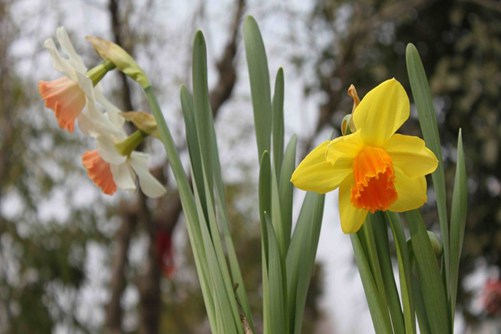
With its beautiful and charming appearance, the daffodil is a plant of high ornamental value. However, growing it well still requires certain methods and skills.
1. First comes the choice of soil, which is especially crucial for daffodils. Daffodils are suited to growing in sandy soil rich in organic matter, and the soil is best slightly acidic. We also need to blend in leaf mold as a base fertilizer.
2. The most suitable growing temperature for daffodils is between 10 and 15°C, and they fear high temperatures. After planting daffodils, the plants should be moved to a semi-shaded spot with about 50% sunlight for care, keeping the soil moist. Once the leaf buds emerge from the soil surface, move them to an environment with about 70-80% sunlight for management. The flowering period of daffodils can be regulated by adjusting different levels of light, humidity and temperature. During the growing season, insufficient light may well cause the leaves to droop.
3. In the process of growing daffodils, water is also a key factor. You must give them plenty of water during their growing period. However, during their dormant period, you can stop giving water. Fertilizer need not be excessive either; applying it about once every ten days or so is enough.
4. To prevent daffodils grown in soil from growing too tall, they are generally tied up. Before tying, be sure to insert a hard supporting stake into the pot, otherwise the plant may be damaged during the tying process, affecting its ornamental value.
5. Daffodil pests and diseases are generally aphids and red spider mites, usually treated by spraying acetamiprid. If root rot occurs, just water with chlorothalonil.