What causes yellowing leaves on flowers kept in winter?
In recent days, many flower lovers have left messages for the editor in the backend, asking about the causes of yellowing leaves? In fact, in winter, potted flowers at home can easily develop yellowing leaves if you are not careful. The main reasons are as follows:
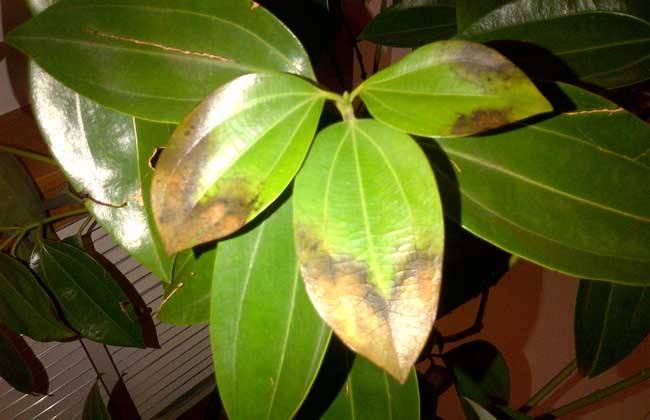
Watering too much
In winter, temperatures drop, soil moisture evaporation decreases, and at the same time, transpiration from the surface of flower leaves also decreases relatively. If we still follow habit and water as before, the potting soil stays wet for a long time, oxygen in the soil is lacking, and some fibrous roots will rot, affecting the leaves and causing them to turn yellow. At this point, watering should be controlled immediately, and the soil should be loosened frequently to keep the soil in the flowerpot well aerated.
Light problems
Some flowers that like strong light, such as poinsettia and hibiscus, may develop yellowing leaves after being brought indoors if placed in a shaded spot, due to insufficient light, just as in summer, placing shade-loving plants such as asparagus fern and Monstera deliciosa in a spot with too much light can also cause yellowing leaves. Therefore, pay attention to the reasonableness of where flowers are placed.
Temperature too high
Now many flower lovers in the north have underfloor heating at home, but because geothermal heating comes out of the boiler at a water temperature of about 50 degrees, with the return water at nearly 40 degrees. When the water used to water flowers seeps into the saucer under the pot. Due to the underfloor heating, the water temperature is about 30 degrees or higher than 30 degrees. Such hot air rises, enters the flowerpot through the bottom hole, and scalds the flower roots into a water-soaked state, or scalds them rotten. They lose their absorption function.