Perlite: the breathing medium for plants - a must-have to prevent root rot
When people first start learning to grow flowers, their first instinct is to dig up some soil from outdoors, put it in a pot, and plant the flowers straight in. But once they water too much and the weather turns hot, they find the plants wilting day by day. When they pull them up, they often see, to their heartache, a mass of rotted roots still dripping with water, and the soil is so heavy and sticky you could wring water out of it.
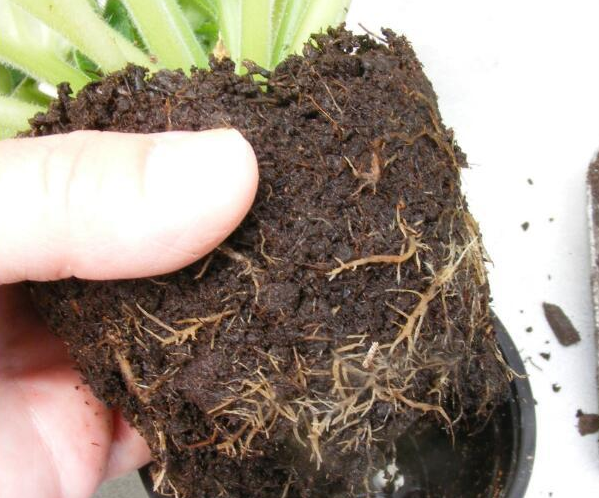
This kind of situation is usually caused by two reasons:
1. Overwatering. The plant itself needs the soil to be almost completely dry before it can be watered thoroughly again, so that the plant has a chance to breathe and does not get waterlogged and rot. After all, not all plants are like lotus and water lilies, which love being soaked in water.
2. You have not overwatered, but the soil just will not dry out. After one watering, half a month later there is still water pooling in the soil. Left outdoors, one rain shower means the soil is still heavy and soggy, as if soaked, half a month later.
For these two situations, the first is to control your hands and judge watering frequency yourself based on how the soil evaporates; the second is that you need to improve your soil as soon as possible.
If you do not want to replace all the soil or buy soil yourself when improving your soil, perlite is recommended.
We often see white, very light granules in the expensive potting mixes sold at flower markets - that is perlite.
Perlite is a glassy rock formed from acidic lava erupted by volcanoes and cooled rapidly, named perlite for its pearl-like fissure structure.
It is slightly heavier than foam, but more environmentally friendly than foam and does not cause pollution. Many gardeners who have grown flowers for a long time are already very familiar with it, while for many beginners it is still a very unfamiliar growing medium.
The reasons for choosing perlite are these:
1. Low price
Once you want to grow flowers well and with peace of mind, many people just dig up soil from outdoors, but not all soil everywhere is loose and airy. Some gardeners buy potting mix online, and a good bag of potting mix often costs more than the flowers themselves, and it is not even guaranteed to be loose and airy. And if you have a large area that needs it, using only store-bought soil is not realistic. Perlite is generally sold at fireproof material shops, and a large burlap sack usually costs just over ten yuan; on Taobao it is also just over ten yuan for a large bag.
A large bag like this, mixed into soil, can last balcony gardeners a long time. As for the ratio, generally one third of the soil can be replaced with perlite. If your soil is not too heavy and sticky, you can also reduce the amount accordingly.
2. Safety considerations
Most home gardeners grow flowers on balconies, so the load-bearing issue of the balcony must be considered. Long-term water accumulation, as well as using sand to increase air permeability, greatly increases the balcony's load, and an overweight balcony is very dangerous. There have been news reports of overweight balconies collapsing, and just thinking about it is frightening. Also, a balcony with long-term water accumulation easily breeds mosquitoes and insects, with various bacteria running rampant, which is also bad for health.
For example, a balcony like this definitely requires considering the load-bearing issue:
3. As a rooting medium
Many plants can be propagated by asexual reproduction, that is, by cuttings. Not every stem can just be stuck in soil at random and grow into a new plant. Especially in summer, cuttings often rot and turn black, causing the cutting to fail. But perlite is different. It itself does not carry many of the miscellaneous bacteria that easily cause plants to rot. You only need to water it thoroughly, insert the stems into a seedling tray, and leave a little water at the bottom to keep it moist without soaking the stems. Even in summer it can raise the survival rate of cuttings.
Of course, there are other soil-loosening media such as vermiculite and peat, which can also be used in combination. Even with these media, however, plants cannot withstand your overly eager watering. You must control your hands.
Finally, I hope your balcony will soon be full of blooming flowers.