Can calla lilies be grown hydroponically? An introduction to calla lilies and their care and management
There is a flower that represents elegance, universal love and eternity, and that is the calla lily. Calla lilies are upright, elegant and refined, with pure white spathes shaped like a horse's hoof and emerald green leaves, giving them extremely high ornamental value. Today, the calla lily has long been an "international flower," deeply loved by people at home and abroad, and has also become one of the important cut flower varieties on the flower market. Growing small-flowered calla lily varieties indoors is both full of exotic charm and lively and lovely, so why not grow a pot yourself? However, if calla lilies are not cared for properly, they can also become a dangerous plant. There are care precautions you must definitely take a look at!
Are calla lilies toxic?
No matter what color the calla lily is, it is very bright and eye-catching, and because of its highly attractive appearance, some people think it is "fair without and foul within," meaning that calla lilies are toxic! So what is the truth? Those who want to know the answer should hurry up and hear what Mom Network Encyclopedia has to say.
In fact, the toxicity of the calla lily is shown in its tubers, spathe and spadix, which contain large amounts of calcium oxalate crystals and alkaloids. If a calla lily is accidentally eaten, it can easily cause poisoning symptoms such as drowsiness.
Although calla lilies can easily cause allergic reactions in people, they still have high medicinal value. Fresh calla lily tubers mashed and applied externally can treat burns and can also help prevent tetanus, but medicinal use must be under a doctor's guidance.
Are calla lilies easy to grow?
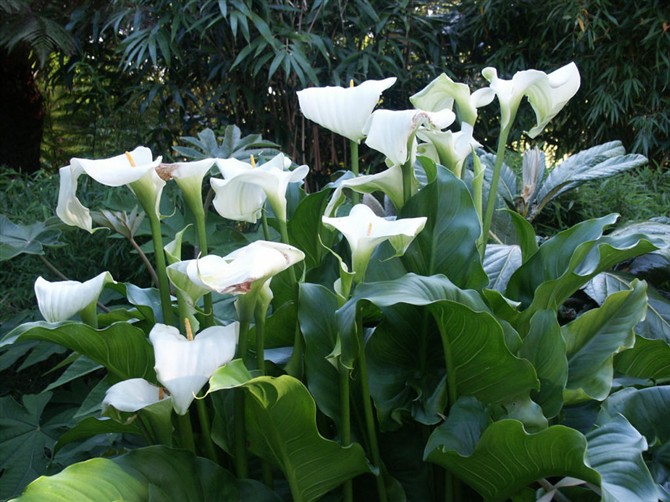
In natural environments, calla lilies are suited to warm climates and often grow beside rivers or in marshes. This plant is also very easy to grow as a potted plant; the key is to grasp the following care points.
1. Soil: Choose a loose, fertile, humus-rich, breathable and well-draining, slightly clayey soil to grow calla lilies, and line the bottom of the pot with a layer of coarse sand. Calla lilies like soil mixed this way best.
2. Temperature: The suitable growing temperature for calla lilies is 22-30°C. When the temperature is below 20°C, their growth rate slows down, but winter is actually the peak growing season for calla lilies, and suitable temperatures are especially needed, so you need to do a good job of keeping them warm.
3. Watering: Watering calla lilies depends on how dry the potting soil is; just keep the soil moist. The main thing is not to overwater, and also not to let them go without water for a long time.
4. Light: Calla lilies are fairly shade-tolerant during the growing period, but they like light during the flowering period. Usually, you may as well place them in a sunny spot indoors, and appropriately extend the light time during the flowering period to ensure the flowers open normally.
5. Fertilizing: During the growing period, fertilize calla lilies once every 20 days. Decomposed soybean cake water, special plant nutrient solution and the like are their favorites. Note that during the peak growing season, apply thin fertilizer frequently; fertilizing once every 10 days is not too much.
Can calla lilies be grown hydroponically?
Turning soil-grown plants into hydroponic plants is a trend in home potted plants. Potted plants originally grown in soil, such as pothos and lucky bamboo, can all be placed in bottles for hydroponics, so are calla lilies also suitable for hydroponics? Those who are interested may as well read on.
Calla lilies are of course suitable for hydroponics. However, hydroponic calla lilies are much more difficult than soil-grown ones, and you need to grasp the following key points:
1. Choose healthy calla lily bulbs, wash them clean and leave them for 2 hours;
2. Wrap them in moist gauze. After a few days, when you see white roots emerging, unwrap the gauze and move them to a water bottle for planting;
3. When adding water, do not submerge the entire bulb. The best height is no more than half of the roots, otherwise they easily rot;
4. It is recommended to only add water without changing it, or not to change all the water, because the original water contains beneficial bacteria that calla lilies have adapted to, which can help them grow;
5. Frequently add nutrient solution to the water;
6. Place hydroponic calla lilies in a sunny, ventilated place, which both enhances photosynthesis and helps kill bacteria.
Can calla lilies be placed in the bedroom?
The bedroom is a place for you to sleep and rest, and it should create a quiet and beautiful atmosphere. Properly placing some green plants in the bedroom helps purify the bedroom environment and promote sleep. So are calla lilies a plant suitable for the bedroom?
Many people think that because calla lilies are toxic, placing them in the bedroom is very unsafe, but in fact, as long as calla lilies are not accidentally eaten, merely placing them in the bedroom for viewing will not release toxic gases, so you can rest assured.
It should be noted that calla lilies can easily cause allergies in people. If you place them in the bedroom, it is best to put them higher, or in a place children cannot reach, to prevent accidental ingestion.
Not only are calla lilies suitable for the bedroom, but small- to medium-sized, elegant plants such as asparagus fern, spider plant, duck tongue grass, ivy and pothos can also be considered.
Precautions for growing calla lilies
Growing calla lilies requires a certain amount of effort. If you are not familiar with their growth habits, it is easy to care for them improperly and affect the plant's normal growth. In the process of growing calla lilies, what other details cannot be ignored? Flower lovers should quickly learn and put them into practice!
1. Avoid low temperatures and dryness
Winter is the peak growing season for calla lilies. If the temperature is below 10°C, not only will calla lilies easily stop growing, but even the flowering period will be delayed, so care should be especially strengthened in winter, often keeping the potting soil moist and the room temperature suitable.
2. Avoid smoke and dust pollution
Calla lilies are relatively sensitive to toxic substances such as smoke and dust. If the indoor environment is too poor, it will cause poor growth in calla lilies and symptoms such as yellow leaves.
3. Avoid insufficient light
Calla lilies should be guaranteed sufficient light during both the growing period and the flowering period, in order to carry out photosynthesis and keep the leaves fresh green and the flowers full and lively.
4. Avoid planting at the wrong time
Every year from June to July, calla lilies enter their dormant period. At this time, the corms around mature plants should be removed for separate pot planting; if propagating by division, August to September is best. If calla lilies are planted in an inappropriate season, it is very difficult to guarantee that they will bloom that year.