What are the care methods for Sempervivum 'Red Comet'?
Red Comet Sempervivum Gray Lady
Crassulaceae (CRASSULACEAE) / Sempervivum genus (Sempervivum)
Alias: Red Smoked Flower
Introduction
The leaves of Red Comet grow in a rosette arrangement, flat, with pointed tips and long fine hairs along the leaf margins; the underside and upper surface of the leaves are smooth. This Sempervivum variety is a medium-sized cultivar. When the temperature difference in winter is greater, the leaves are basically wine-red, the leaf surface is smooth and glossy, and the leaves also become thicker and fleshier. The offsets emerge green and gradually turn wine-red; during the summer dormancy period, the plant's color turns grayish-red or green. After being grown for a long time, the plant will gradually form clusters, which is very beautiful.
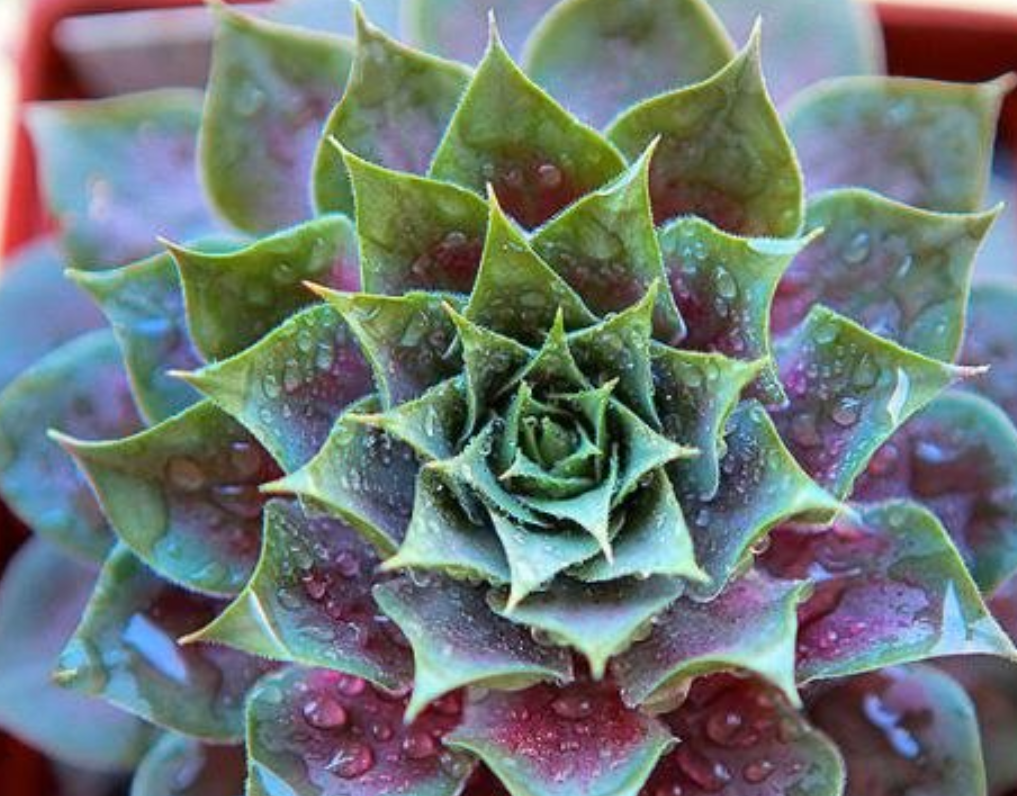
Morphological characteristics
The leaves of Red Comet grow in a rosette arrangement, flat, with pointed tips and long fine hairs along the leaf margins; the underside and upper surface of the leaves are smooth. This Sempervivum variety is a medium-sized cultivar. When the temperature difference in winter is greater, the leaves are basically wine-red, the leaf surface is smooth and glossy, and the leaves also become thicker and fleshier. The offsets emerge green and gradually turn wine-red; during the summer dormancy period, the plant's color turns grayish-red or green. After being grown for a long time, the plant will gradually form clusters. It produces offsets every year, generally sprouting pups in early spring.
Propagation methods
Propagation methods include division and beheading. Generally, division is used for reproduction: remove the pups, insert them into slightly moist soil, and wait for them to root in a cool, ventilated place.
Cultivation techniques
For the soil, peat mixed with coal cinder can be used, roughly at a ratio of 1:1; there is no specific ratio, and the priority is air permeability. To separate the plant from contact with the soil surface and also for better aeration, clean granular river sand is generally spread on top, with a river sand size of 3 to 5 mm. As for watering, water thoroughly only when the soil has dried out; if it is not dry, do not water.
Growing environment
Spring and autumn are the growing seasons, and full sun is acceptable. In summer it goes dormant, so provide ventilation and shade, water 3 to 4 times a month, giving a small amount of water around the edge of the pot. This is to keep the plant from drying out due to excessive dryness. When the winter temperature drops below 3°C, gradually stop watering; below 0°C, keep the potting soil dry, and try to keep it no lower than minus 5°C; Red Comet is still quite tolerant of low temperatures. At such temperatures, with dry potting soil, it can basically overwinter safely.
Precautions
When watering normally, try to pour the water into the soil; in a well-ventilated place, it can be watered thoroughly. In summer and winter, try to avoid getting water into the center of the leaves, as it easily causes rot. Try to avoid spraying the plant. Red Comet has no obvious pests or diseases, but watch out for root mealybugs. For prevention, bury carbofuran in the soil, and spray abamectin once each at the beginning of summer and the beginning of winter.
Species classification
In the 1930s, 23 varieties of this genus were organized. Japan began to popularize this genus from the mid-Meiji period, and in recent years it was introduced into our country. Because this genus is extremely prone to hybridization under both natural and artificial conditions, the names and quantities are very chaotic. For example, S. tectorum (Ayazakura) has 70 different scientific names and cultivation names. The varieties recorded for this genus reach 200; conservatively speaking, there are 45 species (including early natural hybrid varieties).