How to revive a dying plant? 6 gardening secrets to bring it back to life quickly
Don't give up on a plant before it is truly dead. The 6 methods below can help you save a dying plant. Spotted leaves, wilted leaves, brown branches and leaves, and so on, can all be recovered, unless the core or stem has rotted, which is very hard to save.
1. Transplanting the plant
If the plant's root system has root rot, promptly cut off the rotted root parts, soak them in potassium permanganate solution for 30 minutes, then replant in a new pot with new soil. Do not use the old potting soil until it has been sterilized.
Sometimes your potted plant has not been transplanted for two or three years and looks a bit wilted, so you should also repot it in time, remove the old soil, and clean up the root system.
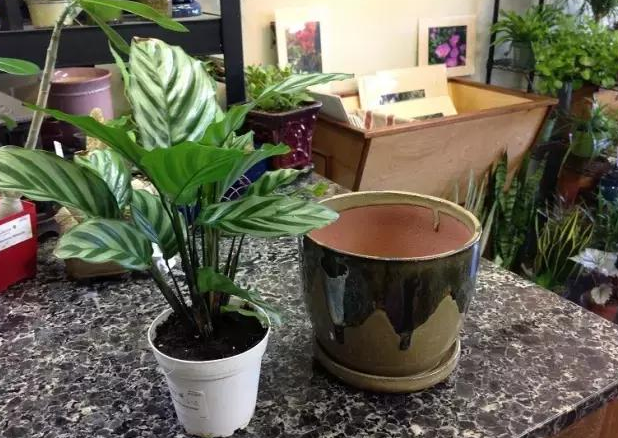
2. Light feeding frequently and the use of base fertilizer
When a plant has just been transplanted, we need to spread some decomposed organic fertilizer at the bottom of the pot as base fertilizer. Various decomposed cake fertilizers or manure fertilizers can be used. Choose soil that is looser, more fertile and well-draining, so as to ensure the plant has enough nutrients to grow.
A plant can only start being fertilized three months after transplanting. At this point you need to master the technique of light feeding frequently, generally once or twice a month.
3. Give the plant appropriate sunlight
Plants all need sunlight to grow, but if it has just been transplanted, it cannot be exposed to the sun. Instead, keep it in the shade for 1-2 weeks first, and only then can it gradually be exposed to light. Moreover, it cannot be put in direct blazing sun all at once; instead, give it diffused light first, and the weak light of the morning.
4. Do not overwater
The most common mistakes in growing flowers are not knowing a plant's dormancy period and growth period, and watering randomly, which can easily cause the plant to die. The suitable temperature range for a plant's growth is basically its growth period. If the temperature is too high or too low, they begin to stop growing, and at this time you must remember not to water.
5. Get rid of pests and diseases
If spots or yellow leaves appear on your plant's or flower's leaves or stems, then these are signs that pests and diseases are coming. We can wipe the leaves with alcohol or soapy water (without bleaching powder), cut off those yellow leaves and spotted leaves, and clear away the fallen leaves and diseased leaves on top of the potting soil.
6. Make a homemade greenhouse environment
Many plants do not like an environment that is too dry, so before caring for a plant, it is best to learn more about its growing environment. If the plant has wilted because of lack of water or dry air, then you can use a certain plastic bag, and keep it like this for about 4-5 days, and the plant can recover its health.