What to Do When Pothos Leaves Turn Yellow? Analysis of 8 Causes and Solutions
When pothos leaves turn yellow, in most plant lovers' homes the doors and windows are kept tightly closed, which prevents indoor air from circulating, and since pothos needs a well-ventilated environment to grow, this causes the leaves to start turning yellow. Yellowing leaves are the most common disease condition in pothos. Although the probability of leaf yellowing in Lühang pothos is much lower than in ordinary pothos, due to the complexity of the pothos growing environment and differences in each person's care methods, it is still difficult to completely avoid this problem.
Analysis and Solutions for Pothos Leaves Turning Yellow
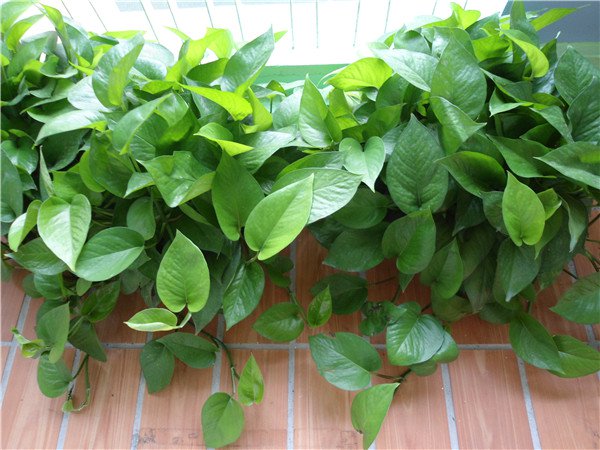
1. Watering
From the perspective of winter temperatures, pothos generally stops growing at this time, so watering frequency should be reduced and fertilizing stopped. If watered too much at this time, it can easily cause the pothos root system to die, and the first sign is yellowing leaves.
Solution: After winter begins and temperatures drop, start reducing watering frequency. If the leaves have already turned yellow, assess the severity. If the yellowing has just started, stop watering the pothos and place it in the sun to dry out. If it is more serious, consider repotting it.
2. Poor Air Circulation
In winter, because the weather is too cold, most plant lovers keep their doors and windows tightly closed, which prevents indoor air from circulating. Since pothos needs a well-ventilated environment to grow, this causes the leaves to start turning yellow.
Solution: After winter begins, choose a sunny midday and open the windows for a few hours to ventilate. This is good for both people and plants.
3. Air Too Dry
Winter is naturally quite dry, and combined with the cold, many plant lovers run air conditioning indoors, which makes the indoor air even drier. When the weather is too dry, the pothos leaf surface loses water, which also causes leaves to turn yellow.
Solution: Frequently spray water on the pothos leaves to maintain air humidity.
4. Temperature Too Low
Because pothos is a plant that cannot tolerate low temperatures, if the temperature is too low in winter and moisture is sufficient, it will cause root rot in the pothos, which leads to insufficient water supply to the root system. The sign is that the leaves at the base start turning yellow, and the leaves at the top of the pothos lose their luster.
Solution: At first, you can use root rot remedy as a soil drench. If there is no effect, consider using branches without yellow leaves to re-propagate by cuttings, to avoid losing the entire plant.
5. Frost Damage
When the temperature is too low, pothos that is exposed to cold will develop blackened leaves, which then rot. Below 10°C, pothos will suffer frost damage. First, move the pothos to a warm, well-ventilated spot indoors, then cut off all the leaves that have turned black, yellow, or rotten. During the period when the pothos is regrowing, simply paying attention to watering is enough. If the temperature is relatively low, water only when the soil is dry.
Solution: Move it back indoors promptly after winter begins, and keep an eye on the weather forecast.
6. Poor Ventilation
Poor ventilation is a problem most people overlook. Combined with the fact that pothos likes a humid environment, many plant lovers spray water on their pothos. With temperatures low and evaporation slow now, water stays on the leaves for a long time, which causes leaf rot! So pay attention to ventilation regularly. In winter, open the windows to ventilate at midday when the temperature is relatively high, and do not place the pothos directly facing the window, to avoid frost damage.
7. Damaged Leaves and Pathogen Infection
Leaves accidentally damaged usually repair themselves within a few days, but if there are many pathogens in the surrounding environment, the pathogens will invade through the wound and cause infection, leading to leaf rot. In this case, remove all the rotten leaves, then disinfect the entire pothos plant by spraying it with a properly diluted solution of carbendazim or chlorothalonil.
8. Pests and Diseases
Besides improper care in daily maintenance, pests and diseases are also one of the causes of leaf rot. Common pests and diseases of pothos include anthracnose and leaf spot. Anthracnose mainly occurs in the middle section of the leaf, first appearing as reddish-brown or dark brown spots, and as the disease worsens, the spots gradually expand and develop ring-like patterns. Note that the same plant can be infected repeatedly.
If anthracnose occurs, first wash the leaves, then spray with a fungicide. You can choose carbendazim, thiophanate-methyl, or anthracnose-specific fungicide, dilute the solution and spray once every 1-2 days; improvement can be seen after 3-4 applications.
Key Points for Pothos Care
1. Pothos bought in winter is generally frost-damaged, so when placed indoors it will quickly show yellowing leaves. After these frost-damaged leaves have all turned yellow and dropped, new ones will grow again by Spring Festival.
2. Newly purchased pothos generally needs about 1 month to adapt to a new environment, and yellow leaves at the base are normal. However, remember: do not directly pull off yellow or dead leaves. Cut them off from the middle of the leaf stem instead, to avoid tearing them off directly, which causes excessive water loss and adds wounds, leading to yellowing of the upper leaves as well.
3. Pothos is not afraid of shade, but it also cannot be grown well in a very dark environment! You can periodically move its position to a brighter spot, but it must not be exposed to blazing sun!
4. Growing pothos well also requires proper ventilation.
5. When watering, you can also moisten the moss pole, as the upper part is covered in aerial roots. Periodically spray the leaves with a nitrogen fertilizer, and water the soil with a diluted ferrous sulfate solution.
6. If the leaves have already turned very yellow! Be sure to control watering; too much or too little is both bad! At this point, place the pothos in a well-ventilated spot with light!
7. Pothos is afraid of freezing; after freezing it will turn black until it dies.
8. When the pothos grows very long and climbs over the top of the pole, cut it off, or turn the top around to let it climb downward; do not let it grow however it likes!
9. The soil requirements for growing pothos are already a well-worn topic: the soil should be primarily leaf mold that is fertile, loose, and well-draining, and slightly acidic soil works best. In darker rooms, some lighting should be turned on, as this helps the plant grow.