What to Do When Gardenia Leaves Turn Yellow? Causes and Solutions
Gardenia leaves turning yellow: gardeners all know gardenias are hard to grow, and the chance of encountering yellowing gardenia leaves is as high as over 90%. This is mainly because gardenias prefer acidic soil, while in many northern regions the soil and water are alkaline. Gardeners all know gardenias are hard to grow, and the chance of encountering yellowing gardenia leaves is as high as over 90%. This is mainly because gardenias prefer acidic soil, while in many northern regions the soil and water are alkaline. This article is about a gardener's process of using one spoonful of vinegar to solve gardenia leaf yellowing. Although simple, it is very effective.
Analysis and Solutions for Gardenia Leaf Yellowing
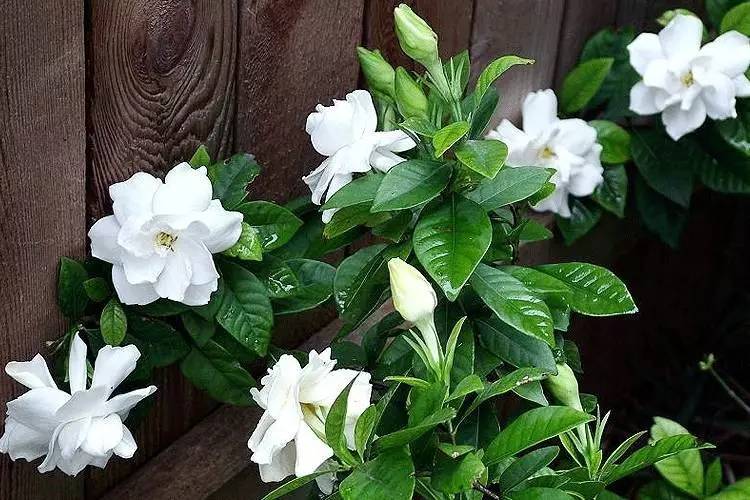
Sunlight Issues
Gardenias are generally best grown in partial shade and should not be exposed to direct sunlight. Although basking in the morning sun is harmless, as temperatures gradually rise and sunlight becomes stronger, even morning light is unsuitable for gardenias. Moreover, gardenias can thrive in a partial shade environment alone without needing sun exposure. Also, if placed outdoors in the sun, wind can make them dry out severely, which is not conducive to gardenia growth.
Humidity Issues
The growing environment requires relatively high air humidity, generally 70-90% is suitable. When humidity is low, gardenias will show wilting and drooping leaves. If not controlled, adverse reactions such as yellow leaves and leaf drop can also occur.
Watering Issues
Gardenias need to grow in an acidic medium. But this type of soil generally dries out relatively quickly and needs frequent watering. Long-term overwatering will cause the plant to wilt, and lack of water will also cause wilting. Watering should be done on the premise of keeping the pot soil moist, following the principle of watering when dry and stopping when wet. Do not let the pot soil remain overly waterlogged or drought-stressed for long periods, otherwise normal growth will be affected.
Fertilizing Issues
Fertilize with dilute fertilizer applied frequently. Do not use concentrated fertilizer or raw fertilizer. When fertilizing, it is best to apply decomposed organic fertilizer in holes, or dilute a fertilizer solution made from decomposed organic fertilizer (chemical fertilizer is also acceptable) and pour it into the pot soil. Generally, apply once every half month. Fertilizer that is too concentrated will burn the gardenia. Wilting leaves are a mild case; severe cases result in the plant dying outright.
Temperature
Temperature too low: Low temperatures can also cause leaf yellowing. Simply move it to a warmer spot.
Gardenia leaves turning yellow: Besides the above common causes, the reasons for yellowing also include the following:
Long-term water accumulation at the roots causing root rot: Therefore, it should not be planted in low-lying areas. For potted plants, do not water too much, or use fertilizer that is too concentrated, or apply organic fertilizer that has not been fully decomposed, which causes burns to young roots and leads to leaf yellowing.
Long-term drought: Long-term drought and severe water loss in the root zone soil mean the roots cannot absorb enough water, causing leaves to yellow from bottom to top, or even leaf drop. This situation is common in potted gardenias. Therefore, keep the pot soil moist and avoid excessive dryness.
During the growth process of gardenias: Leaf yellowing often occurs, mostly caused by imbalanced cultivation management. Too much or too little water, too strong or too weak sunlight, too much or too little fertilizer can all cause leaf yellowing, but the yellowing patterns differ. Observe carefully, analyze the cause, and correct it.
Water-induced yellowing: Young leaves turn dark yellow and lose their luster, old leaves show no obvious change, branches are thin and yellow-green, and new shoots shrink and stop growing, indicating overwatering. Remove the plant from its pot and place it in a ventilated, shaded area to let the root ball dry naturally, then repot it.
Drought-induced yellowing: The yellowing from lack of water differs from that caused by too much water. Drought-induced yellowing shows withered and dried leaf tips or edges, with old leaves turning yellow and dropping from bottom to top, but new leaves growing relatively normally. Simply water thoroughly and completely.
Sunburn-induced yellowing: Strong direct sunlight on some shade-loving plants (such as spider plants and hostas) easily causes leaf tips and edges to wither, with yellow patches appearing on the sun-facing parts of the leaves. Move them to a shaded area.
Light-deficiency-induced yellowing: When placed in a shaded environment for a long time, leaves cannot get enough sunlight and cannot form chlorophyll. The entire plant's leaves turn yellow and then drop. Supplementing light can prevent this problem.
Fertilizer-induced yellowing: Yellowing caused by excessive fertilizing or too high concentration. It shows as dry brown tips on new leaves, generally thick but lusterless leaf surfaces that are uneven and not smooth, and old leaves turning scorched yellow and dropping. Stop fertilizing immediately. In severe cases, use large amounts of water to flush out some of the fertilizer.
Nutrient-deficiency-induced yellowing: It shows as young leaves becoming lighter in color, appearing yellow or pale green, while old leaves remain relatively normal or gradually turn from green to yellow. Check the pot soil. If there is caking, replace the soil. Usually apply light fertilizer frequently and occasionally water with alum water.