Indoor plant care in winter: master these tips to avoid yellow leaves
We have now entered the last month of the year, and many flower growers have already moved their beloved plants indoors, such as pothos, spider plants, cast-iron plants, snake plants, money trees and other green potted plants. But even after moving them indoors, why do yellow leaves and leaf drop still occur?
Now let's follow Xiaozhi from TheNaturePlanet to see what causes this, and then find the corresponding solutions. In fact, the main reason is that the growing environment of the potted plants has changed. Every time they are moved, the plants need a certain adaptation period. In addition, people do not often open windows in winter, so after potted plants are moved indoors, ventilation is poor, or some people place the plants near the hot air outlet of an air conditioner. All these reasons can cause yellowing leaves and leaf drop.
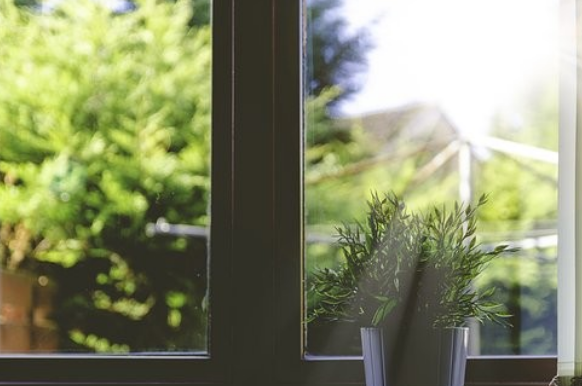
So when caring for them, we should pay attention to:
① Open the windows for ventilation once every 1-2 days, but note that cold wind must not blow directly on the plants, otherwise frost damage easily occurs. The ventilation time can be chosen at noon when the sun is bright.
② In winter, keep the potting soil slightly dry and do not water too frequently. Watering once about every week is enough.
③ Because the air in winter is relatively dry, and most evergreen plants like a humid environment, we can spray the leaves with water close to room temperature to increase air humidity. Just keep the leaf surface moist; do not use too much water. After spraying, keep the air circulating. Try to do this at noon as well.
Light reasons
In winter, yellow leaves and leaf drop can also be caused by insufficient light, because the winter sun is relatively low and the light is not very strong. For some plants that like sunlight, we can give them full-sun care. But although these plants suitable for indoor care do not need full-sun care, they cannot be kept in a shady place all the time. Especially in winter, in such a cold environment without proper light, their leaves are very likely to wither and turn yellow, so they can be placed in a spot indoors with scattered light.
Temperature too high
This problem always comes up when caring for plants in winter. When we feel the indoor temperature is too cold, we immediately give them plenty of warmth, but too high a temperature leads to a drop in humidity. So what temperature is most suitable for them to survive? In fact, some plants are only suitable for growing at temperatures within 30 degrees, so when caring for them, do not give them too high a temperature. If the temperature is too high, it may cause poor respiration, leading to yellow leaves and withering. When caring for them in winter, do not let the temperature get too high.
Fertilizing issues
For most plants, winter is their dormant period, but some plants are in their growing period then. So in winter care, if you come across a plant in its growing period, give it some fertilizer, but not too much, otherwise it easily causes yellow leaves and root burn. If the plant is dormant, do not fertilize it in winter; wait until spring begins and then fertilize. Only reasonable fertilization can ensure its leaves do not turn yellow.
Have you flower growers understood these several important factors mentioned in Xiaozhi's article? Once you have learned them, go home and quickly give your beloved plants the proper care.