Reasons for Yellowing Leaves on Lucky Bamboo and How to Fix Them
Whether grown in soil or in water, lucky bamboo (Dracaena sanderiana) can develop yellowing leaves at the base or on the tips of its stems. The high ornamental value of lucky bamboo comes mainly from its glossy green leaves, and its impressive tall, segmented growth is also very appealing. Yellowing leaves are not a pretty sight. So what causes lucky bamboo leaves to turn yellow?
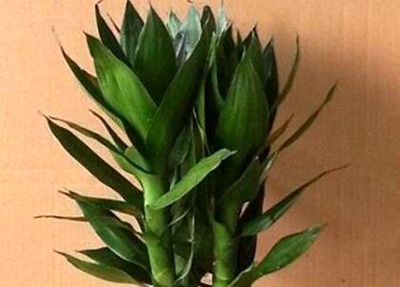
Causes of Yellowing Leaves on Lucky Bamboo
Sunburn caused by intense sunlight
Lucky bamboo prefers a shaded environment. Grown indoors with little light, it can still grow very well as long as water and nutrients are sufficient. Some growers worry that it lacks light, so they place it on a balcony or windowsill, unaware that strong light can damage lucky bamboo leaves. Direct intense sunlight shining on lucky bamboo easily causes the leaf tips and leaf margins to dry out and brown, and yellow spots appear on the parts of the leaves facing the sun.
Yellowing leaves caused by lack of light
Although lucky bamboo prefers a shaded, cool environment, leaving it in such an environment for a long time without any photosynthesis at all is also not good. When placed in a shaded environment for a long time, the leaves cannot get enough sunlight and cannot form chlorophyll, so the entire plant's leaves turn yellow and then fall off.
High fertilizer concentration or excessive amount
Yellowing of lucky bamboo caused by over-fertilizing or too high a concentration shows as dry brown tips on new leaves, with the leaf surface generally thick and lusterless, and uneven and unexpanded, while old leaves turn scorched yellow and fall off.
Yellowing leaves caused by lack of fertilizer
Growers who use soil or water culture have all had this experience: after not fertilizing the plant for quite a long time, they notice signs of yellowing on the leaves at the tips of the stems. This is yellowing caused by a lack of fertilizer. It shows as the color of young leaves becoming lighter, turning yellow or pale green, while older leaves remain relatively normal or gradually turn from green to yellow.
What to Do When Lucky Bamboo Leaves Turn Yellow
Handling light conditions
Lucky bamboo likes a cool, shaded environment, but it cannot always go without sun. Occasionally move it outside for photosynthesis, so the plant's leaves become greener and more beautiful.
When moving it out to get sun, avoid doing so when the light is intense. Otherwise, the intense light will scorch the leaves, and yellow spots are not a good look.
Handling water and fertilizer
If the fertilizer concentration is high or too much fertilizer was applied, stop fertilizing immediately; in serious cases, use a large amount of water to flush out some of the fertilizer.
For yellowing leaves caused by a lack of fertilizer, apply light fertilizer frequently and add some alum water at the appropriate time. In addition, lucky bamboo is a foliage plant, so fertilizer mainly based on nitrogen should be applied, which can make the leaves dark green and fresh.