What to Do When Peace Lily Leaves Turn Yellow? Causes and Solutions
Lucky bamboo is also known as wan shou zhu, while the peace lily (Spathiphyllum) is popular with everyone because it symbolizes smooth sailing. But during cultivation, if the leaves turn yellow, it really ruins the look. Today we will teach you what to do when peace lily leaves turn yellow. More and more people are growing peace lilies. You have to admit, just hearing its name makes people want to grow one, because the peace lily carries a beautiful blessing. But during the process of growing a peace lily, what should you do when its leaves turn yellow?
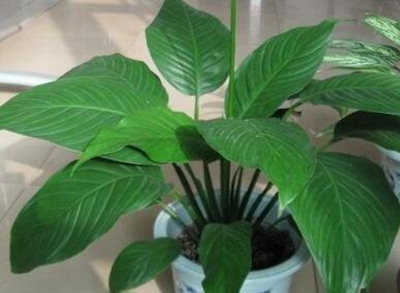
Key Points for Growing Peace Lilies
The peace lily can basically adapt to both strong and weak light, growing well from full sun to very dark spots, and is suitable for placing indoors. But if you want it to bloom more, you should give it more light. During the growing season, it is better to provide bright light, but in the height of summer avoid direct harsh sunlight, otherwise the leaves will turn yellow, and in severe cases sunscald will occur. From May to September, provide a sufficient water supply so the soil stays consistently moist, and frequently mist the leaves and surrounding environment to raise humidity. Fertilize once every 10 to 15 days, especially during the flowering period and when new leaves emerge, mainly with nitrogen fertilizer. Move it indoors in early November. In winter, the room temperature should be kept at around 12°C, and give it good light, otherwise the leaves will turn yellow, affecting the next year's growth and ornamental value.
Causes of Yellow Leaves in Peace Lilies
1. Overwatering
Too much water affects the plant's root respiration. The roots of the peace lily cannot breathe properly, causing root rot, and the leaves turn yellow and black.
2. Dry Air
Peace lilies need relatively high growing humidity. If the air is too dry, the leaves will wilt.
3. Nutrient Deficiency
In the early stages of growth, the plant absorbs nutrients from the soil. Over time, the nutrients in the soil decrease, causing malnutrition. Too much fertilizer and cold damage also easily cause yellow leaf tips.
4. Improper Lighting
Peace lilies need good light in winter and early spring and should not be kept in shade. As the light gradually intensifies, shade it gradually. If it is being enjoyed in a shaded spot, do not place it directly in the sun to bake, otherwise the sudden change in environment will cause discomfort, showing as wilting, yellow leaves, or even death.
5. Unsuitable Temperature
When the temperature is below 5°C or above 35°C, peace lily leaves easily turn yellow.
6. Improper Fertilizing
7. Pest Infestation
If harmful mites infest the plant, the peace lily leaves will show poor symptoms such as wilting, faded gloss and yellow withering.
What to Do When Peace Lily Leaves Turn Yellow
Today we will teach you some remedial measures. See which method caused the yellowing of your peace lily, and the corresponding measures are as follows:
1. Improper lighting. Peace lilies need good light in winter and early spring and should not be kept in shade. As the light gradually intensifies, shade it gradually. If it is being enjoyed in a shaded spot, do not place it directly in the sun to bake, otherwise the sudden change in environment will cause discomfort, showing as wilting, yellow leaves, or even death.
2. Humidity: Peace lilies need relatively high growing humidity. If the air is too dry, the leaves will wilt. This can be solved by increasing misting or sprinkling water on the floor of the surrounding area. Covering it with a transparent plastic bag also works, but when the light is good, ventilate it slightly or cut an opening at the top of the bag for ventilation, otherwise the temperature inside the bag will rise sharply.
3. Improper fertilizing. Fertilize with thin fertilizer; do not apply concentrated or raw fertilizer, and after applying solid fertilizer, water once with clear water. It is best to use dilute fertilizer water instead of clear water for watering. This generally will not cause fertilizer burn, and the plant will grow luxuriantly.
4. Unsuitable temperature. This situation generally does not occur at this time; it mostly appears when the temperature is below 5°C or above 35°C. 5. Pests. If harmful mites infest the plant, the leaves will show poor symptoms such as wilting, faded gloss and yellow withering. You can spray miticides specifically for mites to control them, such as dicofol, hexythiazox, pyridaben, etc.
Tips for Growing Peace Lilies
1. Indoors at around 20-plus degrees Celsius, it is suitable to water thoroughly once every three to five days.
2. If the air is dry, this can be solved by increasing misting or sprinkling water on the floor of the surrounding area. Covering it with a transparent plastic bag also works, but when the light is good, ventilate it slightly or cut an opening at the top of the bag for ventilation, otherwise the temperature inside the bag will rise sharply.
3. When nutrients are lacking, change the soil immediately. It is recommended to buy humus soil, peat soil and multi-element soil to repot your peace lily.
4. Year-round, keep the peace lily in a spot indoors with bright, indirect light.
5. Make sure the temperature does not fall below 5 degrees, and place it in a warm, sunny spot in winter.
6. Fertilize with thin fertilizer; do not apply concentrated or raw fertilizer, and after applying solid fertilizer, water once with clear water. It is best to use dilute fertilizer water instead of clear water for watering. This generally will not cause fertilizer burn, and the plant will grow luxuriantly.
7. After a pest infestation occurs, you can spray miticides specifically for mites to control them, such as dicofol, hexythiazox, pyridaben, etc.
From the above introduction, surely a smart person like you now knows how to solve the problem of peace lily leaves turning yellow!