Causes and Solutions for Yellowing Leaves on the Dragon's Blood Tree
The dragon's blood tree, also known as Dracaena, Shanhaidai, or Longxutie, is one of the more common indoor potted flowers. It is very dazzling under sunlight or lamplight and is quite favored by flower enthusiasts, but to successfully grow the dragon's blood tree, you must prevent its leaves from turning yellow. So what should you do when the dragon's blood tree's leaves turn yellow? How do you solve it?
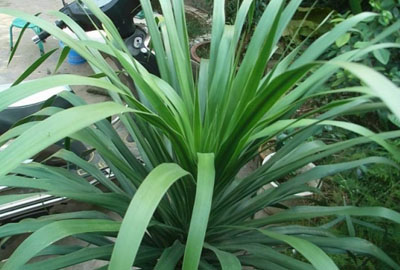
Analysis of common causes of yellowing leaves on the dragon's blood tree and how to handle them:
1. Overwatering
The watering principle for the dragon's blood tree is to water when dry and stop when wet, and to water only after the soil has dried out completely. In winter, reduce the amount of watering especially, and when watering, do not pour water into the heart of the tree.
2. Excessive direct sunlight
The dragon's blood tree likes warmth and fears severe cold, and likes light but fears scorching sun exposure. If the leaves turn yellow and the stem becomes soft and unable to stand upright, check whether it is rotting. If it is rotting, cut it off and clean it up promptly. Then turn and loosen the soil, water an appropriate amount, and place the plant in a ventilated, shady place for a period of time, and it will naturally grow new shoots.
3. Pests
The main pest of the dragon's blood tree is the red spider mite. Dense small yellow spots and small yellow patches appear on the leaf surface. Red spider mites often hide on the branches, the undersides of leaves, or in places where the leaves are dense, spinning webs to conceal themselves, and they are relatively easy to catch by hand. If chemical agents are used for control, you can use 20% dicofol emulsion, add 800-1000 times water to make a solution and spray it.
Notes on cultivating the dragon's blood tree:
Spring, summer, and autumn are the vigorous growing seasons for the dragon's blood tree. During this period, growers must fully satisfy its needs for water, nutrients, and temperature so that it grows robustly.
1. Soil and fertilizer: Longxutie has relatively high soil requirements, so use a loose, fertile culture soil that drains and breathes well and is rich in organic matter. It is usually mixed with 5 parts garden soil, 3 parts leaf mold, 1 part decomposed organic fertilizer, and 1 part river sand. The dragon's blood tree does not have a very large demand for fertilizer; applying compound fertilizer 1-2 times a month during the growing season is sufficient.
2. Watering: The dragon's blood tree is a sun-loving, shade-tolerant plant. Normally, water from the top and just keep the soil moist.
3. Light: Longxutie and the dragon's blood tree both like warm, humid, and sunny environments, and can also tolerate shade. Of course, it is still best to place the flowerpot on a southeast-facing windowsill so it receives sufficient sunlight. In summer, provide appropriate shading; generally a light level of 40% to 50% is sufficient.
4. Temperature: The most suitable growing temperature for Longxutie is 20-28°C. If summer temperatures are high and the temperature exceeds 32°C, or if the winter temperature is below 15°C, the dragon's blood tree enters a dormant or semi-dormant state.
5. Pruning: The leaves of the dragon's blood tree grow in a spreading shape, so basically no pruning is needed. You only need to promptly cut off the yellowed leaves to prevent them from affecting its appearance.