When Does Chayote Flower and Fruit? A Detailed Guide to Growing It
Chayote is a relatively new vegetable variety that is deeply loved for its medicinal and nutritional value. For growers, knowing the right methods is essential to growing chayote well. And for food lovers, when chayote flowers and fruits is also a topic of great interest. According to relevant information, chayote flowers from April to May each year and fruits from October to November. Food lovers should remember its market season so they can enjoy freshly harvested chayote. So what should be noted when planting it?
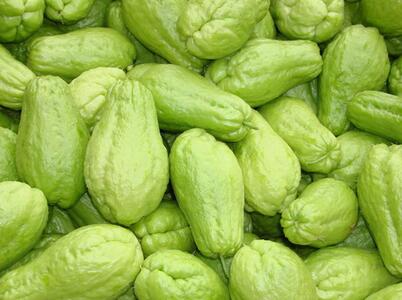
Good planting and management of chayote can bring high yields and good flavor. The high-yield cultivation techniques for chayote include the following points:
1. Planting time. Chayote is susceptible to frost damage, so planting must be done after the frost period has passed. The suitable planting time can be chosen according to different climate conditions in each region. Generally, transplanting is done around the "May Day" holiday. After transplanting, spray with New High Lipid Film, which on the plant surface can prevent pathogen infection, improve resistance to natural disasters, increase photosynthetic intensity, and protect the seedlings so they grow strong.
2. Land preparation and fertilization. According to the geographical conditions, choose a good plot and first dig a deep pit about 1 m long and 1 m wide, then backfill the deep pit with evenly mixed farmyard manure. If planting in a continuous block, generally 1 plant per 4-6 sq m is suitable. To improve the effectiveness of farmyard manure, add 5-7 kg of superphosphate to every 100 kg of human feces and urine, stir evenly, let it sit for 5-10 days to ferment, and then apply an appropriate amount in each pit. Note the following when fertilizing:
① Within 1 month after planting, focus mainly on covering the seedlings to increase temperature and promote growth and development. During this period, do not apply additional fertilizer; only water lightly.
② During the rapid root development stage, cultivate and loosen the soil frequently to promote root development and lay the foundation for vigorous plant growth after autumn. During the summer period, water frequently to keep the soil moist, increase air humidity, and help chayote pass through summer safely.
③ Entering autumn, the aboveground part of the plant grows noticeably faster and enters a vigorous growth period, so fertilizer and water should be applied heavily to allow the aboveground part to grow and develop rapidly and produce more side branches, laying the material foundation for more flowers and more fruits.
④ During the full-flowering and full-fruiting period, daily transpiration is high, so sufficient water and fertilizer are needed. Moisture should be kept at a level that maintains soil moisture. Foliar spraying of nitrogen and phosphorus fertilizer 2-3 times can be used, or decomposed human and livestock manure can be applied.
3. Select strong seedlings and cover with film to prevent freezing. Choose healthy, disease-free chayote seedlings with a soil ball, place them into the pits, and bury them level with the ground using farmyard manure and fine soil, then water thoroughly but gently around the pits. If planting is done too early, plastic film covering should be used to prevent frost damage.
4. Strengthen management. In the early stage of chayote, promptly remove excessive sprouts, and keep 3-5 strong vines per plant. Cultivate and loosen the soil in time to promote root growth and development. Entering the vine-climbing stage, set up trellises early to secure the plants. During the summer period, pay attention to timely watering and keep the soil moist. Autumn is the vigorous fruit-setting period for chayote, so fertilizer and water must be applied in time, and Strong Melon Stem Spirit should be sprayed at the appropriate time. This can thicken the fruit stem, strengthen the targeted nutrient supply, promote rapid fruit development, produce attractive fruit shape, and give juicy, delicious flavor; during the growth cycle there will be no flower drop, no fruit drop, no cracked fruit, and no deformed fruit. At the same time, pay attention to preventing and controlling pests and diseases to ensure a good harvest.
Appendix: Delicious chayote recipes
Cold Tossed Chayote
Main ingredients: 300 g chayote. Auxiliary ingredients: 30 g bell pepper, 20 g green pepper.
Seasonings: 10 g soy sauce, 15 g white granulated sugar, 2 g monosodium glutamate.
Features: Fresh and delicious flavor, crisp and tender texture, bright color.
Method:
1. Wash the chayote and cut into shreds;
2. Wash the red pepper and green pepper, remove the stems and seeds, and cut into shreds. Put the chayote shreds and pepper shreds into boiling water and blanch briefly, then scoop out and set aside;
3. Put soy sauce, white sugar, monosodium glutamate, the chayote shreds, and the pepper shreds into a container and mix evenly, then transfer to a plate and serve.
Stir-Fried Chayote
Ingredients: chayote, carrot, yellow sweet pepper, scallion
Seasonings: salt, sugar, vegetable oil, mushroom essence
Method:
1. Slice the chayote, carrot, and yellow sweet pepper, and chop the scallion into scallion bits;
2. When the oil is heated to 80 percent hot, add the cut ingredients and stir-fry quickly over high heat;
3. Turn to medium heat, add an appropriate amount of sugar and salt, stir a few times, then turn to low heat, add a little mushroom essence, transfer to a plate, and serve.
The chayote still tastes fresh, tender, light, and sweet, making it very suitable for eating in hot summer.
Chayote Stewed with Chicken Feet
Ingredients: 100 g chayote, 10 g red dates, 200 g chicken feet, 10 g ginger. 500 g clear water, 20 g salt, 10 g monosodium glutamate, 5 g white sugar, a little pepper.
Method:
1. Remove the seeds from the chayote and cut into pieces, slice the ginger, trim off the claw tips from the chicken feet, and wash the red dates.
2. Pour clear water into a clay pot, add the chicken feet and red dates, and simmer over low heat for 40 minutes.
3. Then add salt, monosodium glutamate, white sugar, pepper, and chayote and simmer together for 20 minutes, and it is ready.
Stir-Fried Chayote with Diced Sauced Pork
Raw materials: pork belly, chayote, sweet pepper, scallion, corn. Seasonings: cooking wine, dark soy sauce, white sugar, cornstarch, salt, chicken essence, edible oil, ginger. Preparation steps: when stir-frying, do not forget to add an appropriate amount of chicken essence and salt. [5]
Stir-Fried Chayote with Minced Quail
Main ingredients: 1 jin (about 500 g) chayote, 4 quails, 1 tsp minced garlic.
Auxiliary ingredients: sauce seasonings: 1/4 tsp each of salt, sugar, and light soy sauce, 1 tbsp oyster sauce, 1/2 cup superior stock, 1 tsp cornstarch.
Method:
1. Peel the chayote and cut into pieces, boil in water for about two minutes, and drain.
2. Remove the skin and bones from the quails, and mince the meat.
3. Heat 1 tbsp oil, sauté the minced garlic until fragrant, add the minced quail meat and stir-fry until cooked, add the chayote, stir well, then add the sauce, bring to a boil until thickened, taste, and serve.
Notes:
1. Chayote can help with indigestion and is also rich in vitamin C and organic acids. Tender chayote has green skin, is smooth, and has few fibers, so it is suitable for slicing and stir-frying until cooked; larger ones are more suitable for making soup.
2. Minced pork can be used instead of quail to prepare this dish.